

What Are the Methods for Sulfur Pellet Conveying?
HeadPowder, a leading manufacturer in the field of material handling solutions, specializes in providing efficient and reliable conveying systems for various industrial applications. With a strong presence in Shandong, China, the company has established itself as a trusted partner for businesses seeking advanced solutions for sulfur pellet transportation. This article explores the different methods available for sulfur pellet conveying, highlighting the key considerations and advantages of each approach.
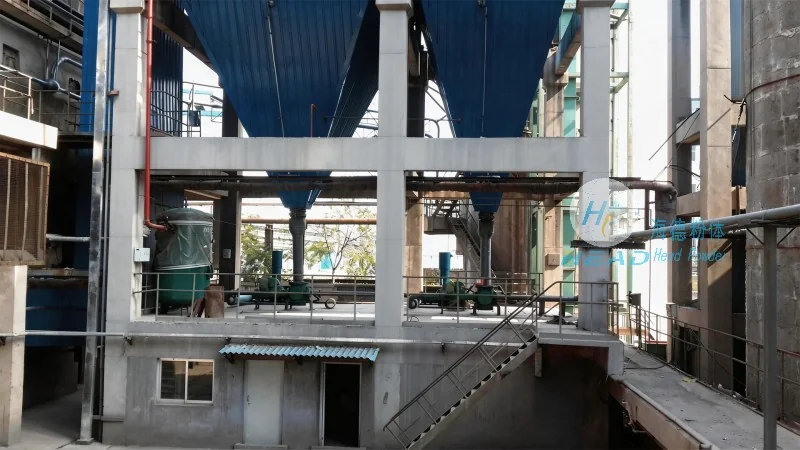
Methods for Sulfur Pellet Conveying
When it comes to transporting sulfur pellets, several methods are commonly employed in industrial settings. The choice of method depends on factors such as the distance to be covered, the volume of material, the required speed, and the environmental conditions. Below are some of the most effective and widely used approaches for sulfur pellet conveying.
1. Belt Conveyors
Belt conveyors are one of the most popular and versatile methods for sulfur pellet transportation. These systems consist of a continuous loop of material (usually rubber or PVC) that moves over rollers or pulleys. The belt is driven by a motor, and the sulfur pellets are placed on the belt and carried to the desired location. Belt conveyors are suitable for both short and long distances, making them ideal for applications in sulfur processing plants, storage facilities, and distribution centers. They offer high efficiency, low maintenance costs, and the ability to handle a wide range of pellet sizes and shapes. Additionally, belt conveyors can be customized with features such as inclines, declines, and curves to adapt to the layout of the facility.
2. Screw Conveyors
Screw conveyors, also known as auger conveyors, are another effective method for sulfur pellet conveying. These systems use a rotating screw (auger) inside a tube to move the material forward. The screw is driven by a motor, and the sulfur pellets are fed into the tube at one end and discharged at the other. Screw conveyors are particularly suitable for horizontal or slightly inclined transport, as they can handle a variety of materials, including those with high moisture content or sticky properties. They are compact and can be installed in confined spaces, making them ideal for use in processing plants where space is limited. However, screw conveyors may not be as efficient for long-distance transport as belt conveyors, and they require regular maintenance to prevent wear and tear on the screw and the tube.
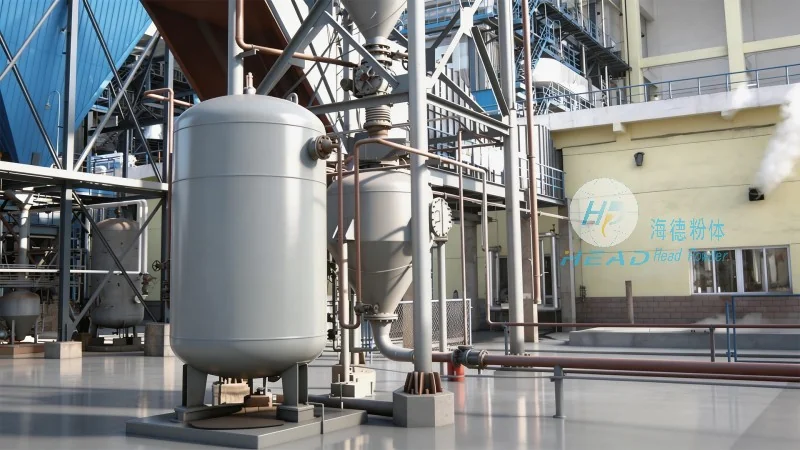
3. Pneumatic Conveying Systems
Pneumatic conveying systems use air or other gases to transport sulfur pellets through a pipeline. These systems are often referred to as pneumatic or air conveying systems. The pellets are fed into the pipeline at one end, and a fan or blower creates a pressure differential that moves the material along the pipeline. Pneumatic conveying is particularly effective for transporting sulfur pellets over long distances or in environments where dust control is a priority. It is also suitable for applications where the material needs to be transported through vertical or horizontal changes in elevation. However, pneumatic conveying systems require higher energy consumption compared to other methods and may not be as efficient for very fine or abrasive pellets.
4. Bucket Elevators
Bucket elevators are a type of vertical conveyor system used for transporting sulfur pellets from one level to another. These systems consist of a continuous chain with buckets attached to it, which moves up and down inside a vertical casing. The sulfur pellets are loaded into the buckets at the bottom and discharged at the top. Bucket elevators are ideal for applications where vertical transport is required, such as in sulfur processing plants where the material needs to be lifted to a higher level for further processing or storage. They are capable of handling large volumes of material and can operate at high speeds, making them efficient for high-throughput applications. However, bucket elevators require regular maintenance to ensure the buckets and chain are in good condition and to prevent material buildup in the casing.
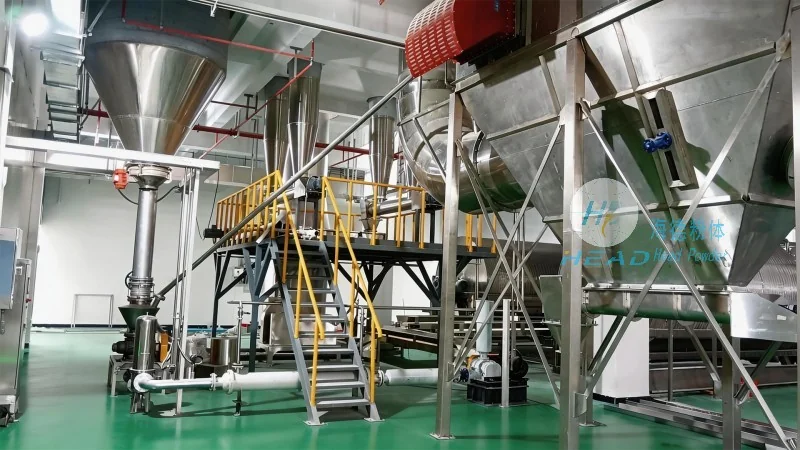
Advantages of Sulfur Pellet Conveying Systems
Each of the above methods offers unique advantages for sulfur pellet conveying. Belt conveyors provide high efficiency and flexibility, screw conveyors are compact and suitable for confined spaces, pneumatic systems are effective for long-distance and dust control, and bucket elevators are ideal for vertical transport. The choice of method depends on the specific requirements of the application, including the distance, volume, and environmental conditions. By selecting the appropriate conveying system, businesses can improve their operational efficiency, reduce labor costs, and enhance safety in their sulfur processing operations.
Application Scenarios
Sulfur pellet conveying systems are widely used in various industries, including chemical manufacturing, fertilizer production, and petrochemical processing. In chemical manufacturing, these systems are used to transport sulfur pellets from storage to processing units, ensuring a continuous supply of raw material. In fertilizer production, sulfur pellets are often mixed with other nutrients and conveyed to mixing and packaging facilities. In petrochemical processing, sulfur pellets are used as a feedstock for various chemical reactions and are conveyed to reactors and other processing equipment. The versatility of these systems makes them suitable for a wide range of applications, from small-scale operations to large industrial plants.
Conclusion
Choosing the right method for sulfur pellet conveying is crucial for the efficiency and safety of industrial operations. HeadPowder, with its expertise in material handling solutions, offers a range of conveying systems tailored to meet the specific needs of businesses. By understanding the advantages and limitations of each method, companies can select the most suitable system for their sulfur pellet transportation requirements. Whether it's a belt conveyor, screw conveyor, pneumatic system, or bucket elevator, the goal is to achieve efficient, reliable, and cost-effective transportation of sulfur pellets. With the right system in place, businesses can enhance their productivity, reduce downtime, and ensure the smooth operation of their sulfur processing facilities.