

The Working Principle and Features of Fly Ash Particle Material Handling Equipment
Shandong HeadPowder Engineering Co., Ltd., commonly known as HeadPowder, is a professional manufacturer based in Shandong, China. The company specializes in the research, development, and production of advanced equipment for handling fly ash particles, a key byproduct in the power generation industry. With a strong focus on innovation and customer-centric solutions, HeadPowder provides reliable and efficient material handling systems tailored to the needs of various industrial applications.
The Working Principle of Fly Ash Particle Material Handling Equipment
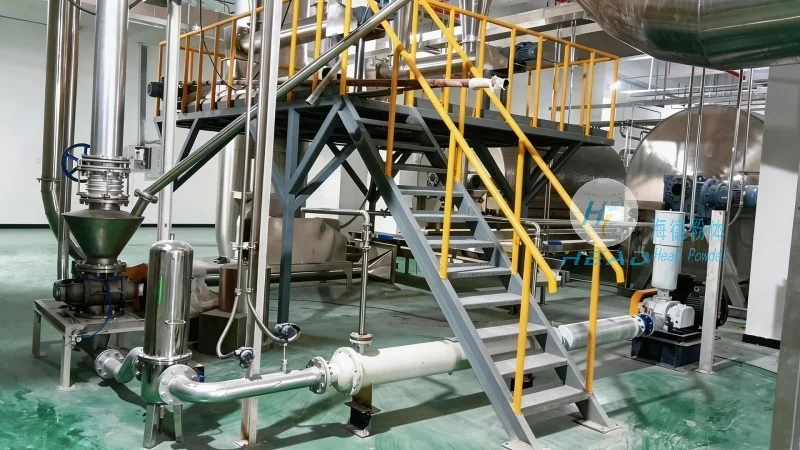
Fly ash particle material handling equipment operates through a systematic process designed to efficiently transport and manage fly ash, a fine particulate material generated from coal combustion. The typical working principle involves several key components and stages. First, the material is fed into the system via an inlet hopper or feeder, which ensures a consistent and controlled supply of fly ash. This initial step is crucial for maintaining the stability of the subsequent processing stages. The feeder may use mechanisms such as screw conveyors or vibrating feeders to regulate the flow rate, preventing overloading or underflow that could disrupt the entire operation.
Once the fly ash is properly fed, it moves into the primary transport section. Depending on the specific design, this section can utilize different technologies. For example, belt conveyors are commonly employed for horizontal or slight incline transport, leveraging the friction between the material and the conveyor belt to move the fly ash. Alternatively, pneumatic conveying systems may be used for longer distances or when the material needs to be transported vertically. These systems use air pressure to suspend and transport the fly ash particles through a pipeline, offering flexibility in layout and reducing the need for complex mechanical structures.
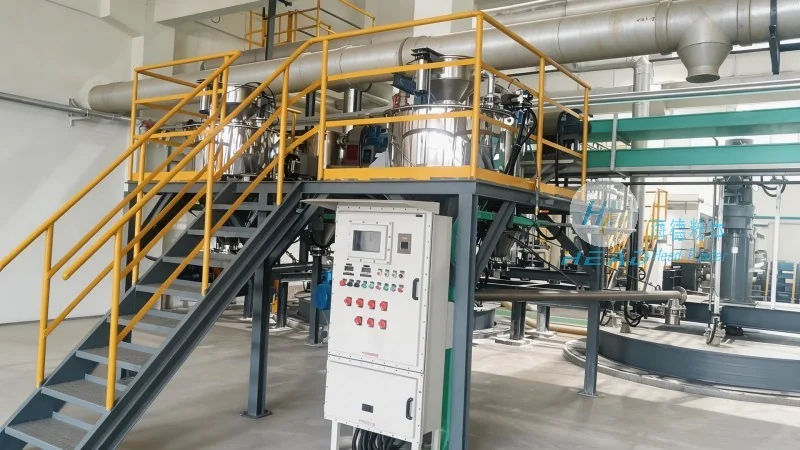
The transport section is often integrated with a control system that monitors and adjusts the operation in real-time. Sensors are typically installed to detect the level of material in the hopper, the speed of the conveyor, or the pressure in the pneumatic system. This data is processed by a control unit, which can automatically adjust the feeder speed, conveyor speed, or air pressure to maintain optimal performance. Such automation not only enhances efficiency but also minimizes the risk of equipment damage or material loss due to overloading or underutilization.
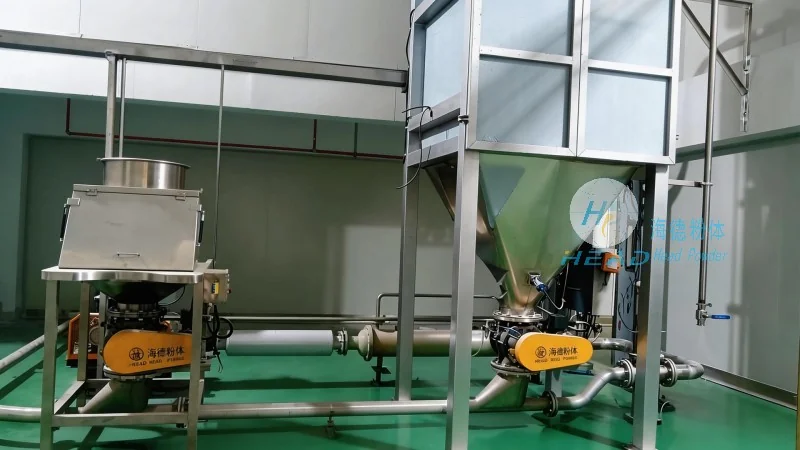
The control system plays a vital role in maintaining the stability and efficiency of the fly ash transport process. Modern systems often employ advanced control algorithms that can predict and adjust for variations in material flow, such as changes in the moisture content or particle size. This predictive capability ensures that the equipment operates at optimal performance levels, even under fluctuating conditions. Additionally, the integration of safety features, such as emergency stop buttons and overload protection, enhances the reliability of the system and protects both the equipment and the operators.
Key Features of Fly Ash Particle Material Handling Equipment
HeadPowder's fly ash particle material handling equipment is characterized by several notable features that set it apart in the industry. One of the primary advantages is its high efficiency in material transport. The equipment is designed to handle large volumes of fly ash with minimal energy consumption, making it cost-effective for long-term operation. This efficiency is achieved through optimized mechanical designs, such as the use of high-quality belts with low friction coefficients or efficient air compression systems that minimize energy waste.
Another significant feature is the equipment's robust construction and durability. Fly ash particles can be abrasive and corrosive, especially when mixed with moisture or other chemicals. HeadPowder's equipment is built with materials that resist wear and corrosion, such as stainless steel or special coatings, ensuring a long service life and reducing maintenance costs. The components are also designed with easy access for maintenance, allowing for quick inspections and repairs without extensive downtime.
Environmental friendliness is a critical feature for modern industrial equipment, and HeadPowder's systems excel in this aspect. The equipment is engineered to minimize dust emissions and noise pollution, which are common concerns in material handling operations. For instance, the use of enclosed conveyor systems and efficient dust collection mechanisms helps maintain a clean and safe working environment. Additionally, the design allows for easy integration with other environmental control systems, such as scrubbers or filters, to further reduce the environmental impact of fly ash handling.
Adaptability is another key feature that makes HeadPowder's equipment versatile for various applications. The systems can be customized to handle different particle sizes, from fine powders to larger granules, by adjusting the feeder and transport mechanisms. This flexibility allows the equipment to be used in diverse industries, including power plants, cement factories, and construction sites, where fly ash is commonly utilized as a supplementary cementitious material or filler. The modular design of the equipment also enables easy expansion or modification to accommodate changing production needs over time.
Maintenance-friendly design is a key consideration in the development of HeadPowder's equipment. The modular construction allows for easy replacement of worn-out parts, such as conveyor belts or air filters, without the need for extensive disassembly. Regular maintenance schedules are provided to ensure the equipment remains in good working condition, and the company offers technical support and spare parts to assist customers with any issues that may arise. This focus on maintenance efficiency helps reduce downtime and increases the overall productivity of the material handling operation.