

Working Principle and Characteristics of Catalyst Powder Material Handling
Efficient and reliable handling of catalyst powders is crucial in various industrial processes, particularly in chemical manufacturing, petrochemical, and pharmaceutical sectors. The proper management of these fine powders ensures optimal performance, safety, and operational efficiency. This article delves into the working principles and key characteristics of catalyst powder material handling systems, highlighting the technology and features that make them effective solutions for industrial applications.
Understanding the Working Principle of Catalyst Powder Material Handling
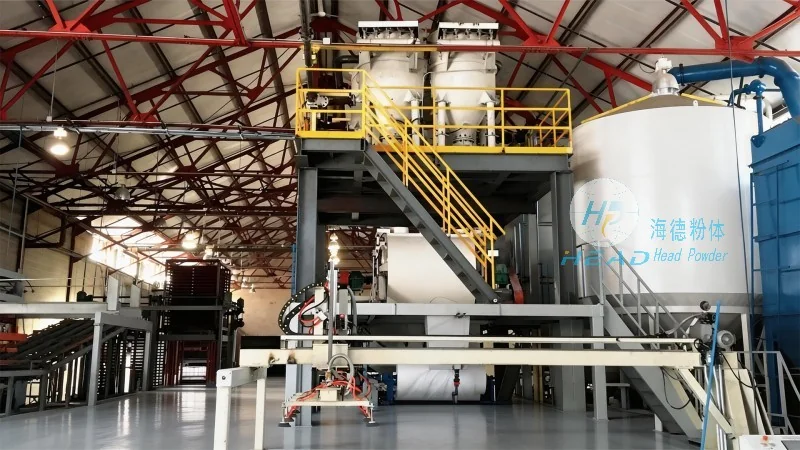
The working principle of catalyst powder material handling systems revolves around the efficient transfer and transportation of fine powders from one location to another within industrial facilities. These systems are designed to handle materials with specific properties, such as low bulk density, high reactivity, and sensitivity to moisture or contamination. The core components and mechanisms involved in the process include:
Firstly, the system typically starts with a feeding mechanism that ensures a consistent and controlled flow of catalyst powder. This may involve hoppers, feeders, or rotary valves that regulate the material's release based on process requirements. The feeding equipment is crucial for maintaining a steady flow rate, preventing blockages, and minimizing material degradation. For catalyst powders, which are often hygroscopic or prone to agglomeration, specialized feeders like vibratory feeders or screw feeders are commonly used to maintain particle integrity and prevent clumping.
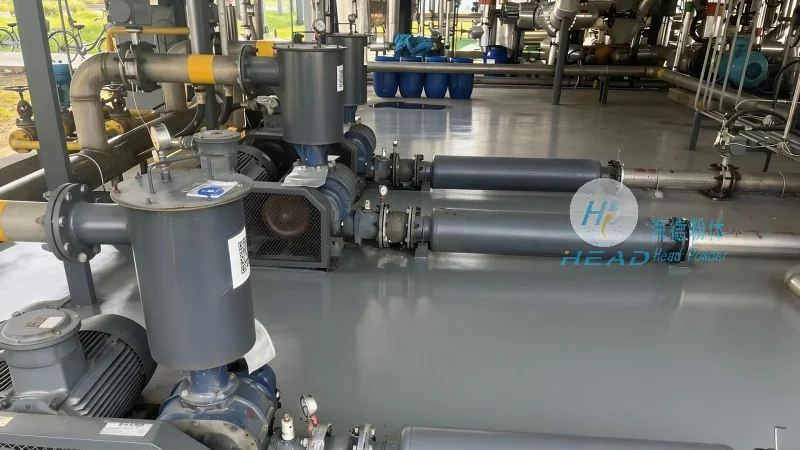
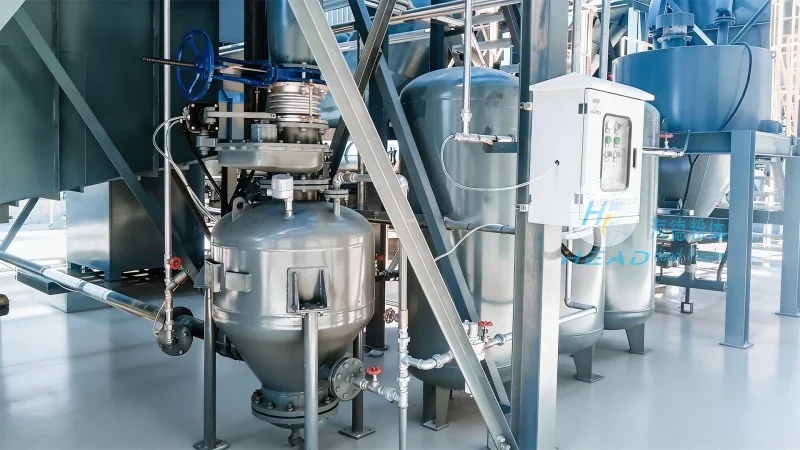
Next, the material is transported through a conveying system. Conveying methods for catalyst powders can vary, with pneumatic conveying being a popular choice due to its ability to handle fine powders over long distances without the need for mechanical components in the material path. Pneumatic systems use air or other gases to move the powder through pipes, relying on pressure differentials or vacuum to create the flow. Alternatively, mechanical conveying systems like belt conveyors, screw conveyors, or bucket elevators may be employed, especially for shorter distances or when handling bulkier materials. The choice of conveying method depends on factors such as material properties, distance, and operational constraints.
During the conveying process, the system may incorporate features to ensure material quality and process control. For instance, inline sensors or monitoring devices can be integrated to detect changes in flow rate, moisture content, or particle size, allowing for real-time adjustments. This helps maintain the catalyst's performance and prevents issues like clogging or uneven distribution. Additionally, the system may include dust collection and filtration components to ensure environmental compliance and protect personnel from exposure to fine powders.
Key Characteristics of Catalyst Powder Material Handling Systems
Several key characteristics define effective catalyst powder material handling systems, ensuring they meet the demands of industrial applications. These characteristics include:
1. **Low-Pressure and Low-Vibration Operation**: Catalyst powders are often sensitive to high pressures or vibrations, which can cause particle degradation or equipment damage. Therefore, systems are designed to operate at low pressures and with minimal vibration, preserving the material's integrity and extending equipment lifespan.
2. **Dust-Free and Contamination-Free Handling**: Catalyst powders are typically used in critical processes where contamination can lead to performance issues or safety hazards. Material handling systems are equipped with sealed components, dust collection systems, and cleanroom-compatible designs to prevent cross-contamination and maintain material purity.
3. **Adaptability to Material Variations**: Different catalyst powders may have varying particle sizes, densities, or flow properties. High-quality systems are designed to be adaptable, allowing for adjustments in feeding rates, conveying speed, or equipment configuration to accommodate different material types.
4. **Energy Efficiency**: Modern material handling systems focus on energy efficiency to reduce operational costs. This includes optimized conveying speeds, minimal energy consumption in feeding mechanisms, and the use of efficient motors or air compressors in pneumatic systems.
5. **Safety and Compliance**: The systems are designed with safety in mind, incorporating features like emergency stop buttons, lockout-tagout procedures, and compliance with industry standards such as OSHA or local regulations. This ensures safe operation and reduces the risk of accidents or regulatory penalties.
Company Overview: Shandong HeadPowder Engineering Co., Ltd.
Shandong HeadPowder Engineering Co., Ltd., commonly known as HeadPowder, is a leading provider of specialized material handling solutions for catalyst powders and other fine materials. With a strong focus on innovation and customer-centric design, the company has established itself as a trusted partner in the chemical and industrial sectors. HeadPowder's expertise lies in developing customized systems that address the unique challenges of handling catalyst powders, ensuring reliable and efficient operation for its clients.
HeadPowder's team of engineers and technicians works closely with clients to understand their specific requirements, from material properties to operational constraints. The company leverages advanced technology and years of industry experience to design, manufacture, and install material handling systems that meet or exceed industry standards. By prioritizing quality, reliability, and customer satisfaction, HeadPowder has built a reputation for delivering solutions that enhance process efficiency and safety.
HeadPowder is committed to providing comprehensive support throughout the entire lifecycle of its systems, from initial consultation and design to installation, maintenance, and after-sales service. The company's facilities in Shandong, China, are equipped with state-of-the-art equipment and a skilled workforce, enabling it to deliver high-quality products and services to clients worldwide.