

Working Principle and Characteristics of Soybean Powder Conveying
Understanding the working principle and characteristics of soybean powder conveying is crucial for optimizing industrial processes in food processing and material handling. This article provides a detailed overview of how these systems operate and the key attributes that define their performance.
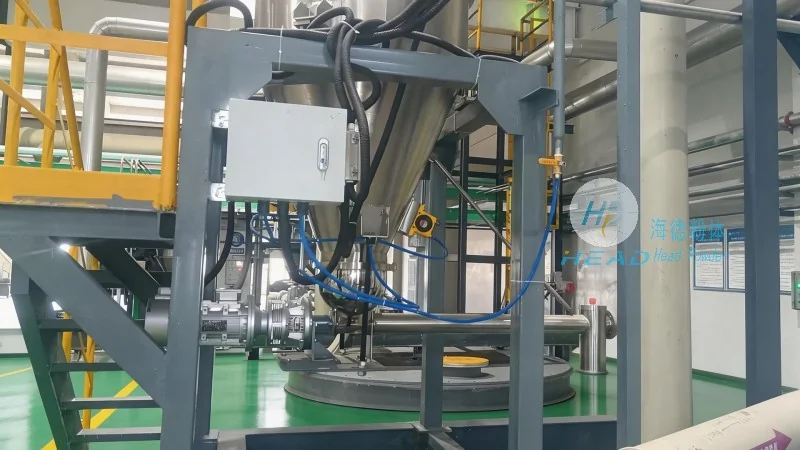
Overview of Soybean Powder Conveying Systems
Soybean powder conveying systems are designed to transport soybean-based powders efficiently and safely from one location to another within industrial facilities. These systems are integral to the production lines of food processing plants, where soybean products are processed into various forms such as soy milk, tofu, and protein isolates. The primary goal of these systems is to ensure consistent and reliable material movement while maintaining product quality and minimizing contamination risks.
Working Principle of Soybean Powder Conveying
The working principle of soybean powder conveying typically involves the use of mechanical or pneumatic systems to move the powder. Mechanical conveyors, such as screw conveyors or belt conveyors, utilize rotating components to push or pull the powder along a designated path. Pneumatic conveyors, on the other hand, employ compressed air to create a flow of air that carries the powder through a pipeline. Both methods are widely used in soybean processing due to their adaptability to different powder characteristics and operational requirements.
In mechanical systems, the screw conveyor operates by rotating a helical screw within a trough, which continuously moves the powder forward. This method is particularly effective for handling free-flowing powders with low to moderate moisture content, as seen in soybean products. The screw design can be adjusted to control the speed and direction of powder flow, ensuring precise control over the conveying process. Belt conveyors, meanwhile, use a continuous belt that moves the powder by gravity or mechanical drive, making them suitable for horizontal or slight incline applications.
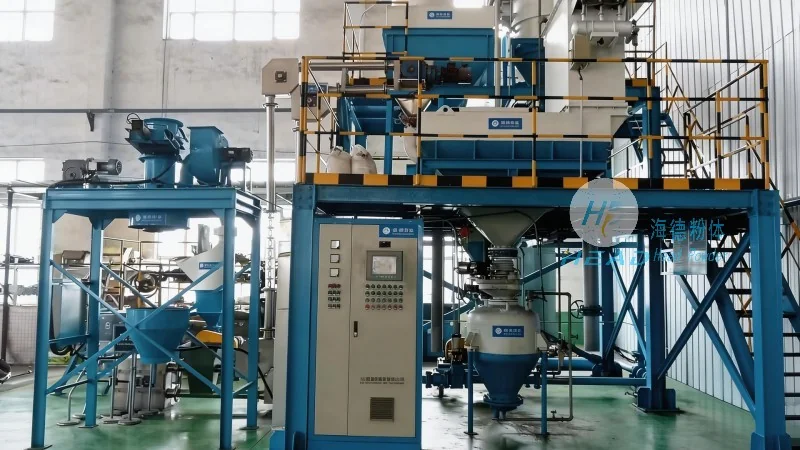
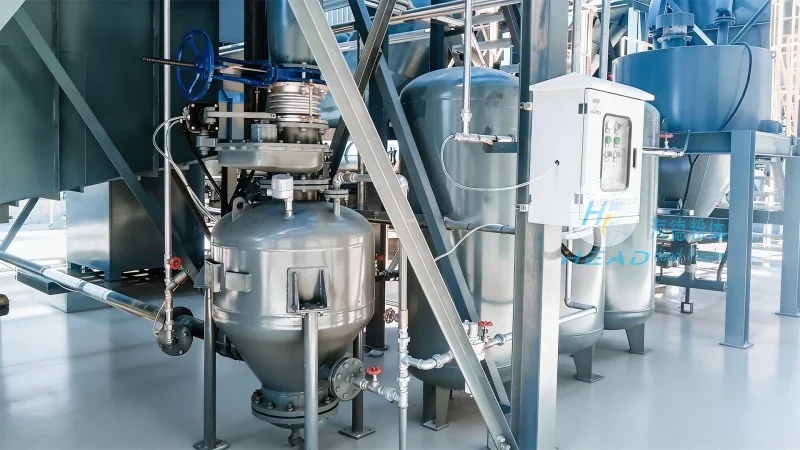
Pneumatic conveying systems, also known as air conveying, rely on the principle of fluidization. Compressed air is introduced into a hopper or storage container, creating a flow that lifts and transports the powder through a pipeline network. This method is advantageous for handling fine powders that are prone to caking or bridging, as the air flow prevents agglomeration and ensures smooth movement. The system typically includes components like air compressors, filters, and control valves to regulate the air pressure and flow rate, which directly impacts the conveying efficiency.
Key Characteristics of Soybean Powder Conveying Systems
Several key characteristics define the performance and suitability of soybean powder conveying systems. These include efficiency, which refers to the rate at which the powder is transported per unit time and energy input. The efficiency of mechanical conveyors is generally higher for bulk materials, while pneumatic systems may offer better performance for fine powders with higher moisture content. Another critical characteristic is the ability to handle varying particle sizes and moisture levels, as soybean powders can have diverse properties depending on the processing stage.
Sanitation and hygiene are also paramount in soybean powder conveying, especially in food processing applications. The materials used in the construction of the conveying equipment, such as stainless steel, must meet strict sanitary standards to prevent contamination and ensure compliance with food safety regulations. The design of the system, including smooth surfaces and easy-to-clean components, plays a significant role in maintaining hygiene. Additionally, the system's ability to prevent product degradation, such as oxidation or microbial growth, is essential for preserving the quality of soybean products.
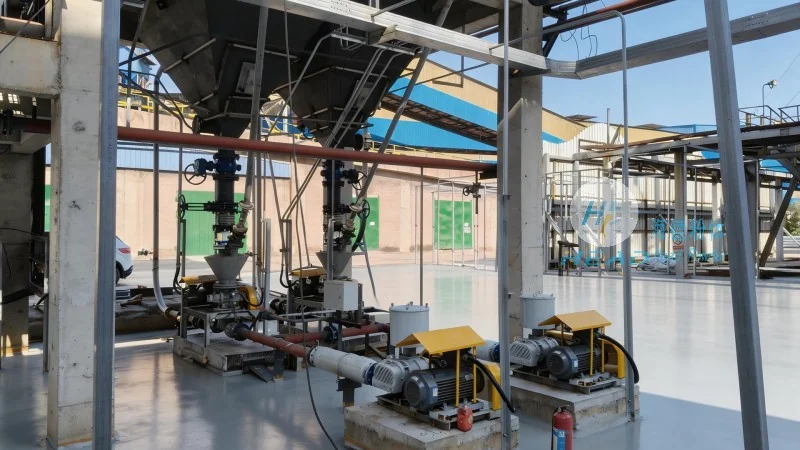
Flexibility and adaptability are other important characteristics. Modern conveying systems are often modular, allowing for easy integration with existing production lines and expansion as production needs change. This flexibility is particularly valuable in industries where product lines may be diversified or production volumes fluctuate. The ability to handle different powder types, such as soy protein isolates versus soy flour, without significant modifications to the system enhances its versatility.
Energy consumption is a significant factor in the operation of conveying systems. Efficient systems minimize energy use while maintaining performance. This is achieved through optimized design, such as using variable speed drives for mechanical conveyors and controlling air pressure in pneumatic systems. Lower energy consumption not only reduces operational costs but also aligns with sustainability goals in industrial operations.
Applications and Benefits in Soybean Processing
Soybean powder conveying systems find widespread application in various stages of soybean processing. In the initial stages, after grinding and drying, the powder is conveyed to storage silos or processing units for further refinement. During the production of soy milk, the powder is conveyed to mixing tanks where it is blended with water and other ingredients. In the manufacturing of tofu, the powder is conveyed to curdling tanks where it is mixed with coagulants to form curds. The consistent and reliable transport of soybean powder is essential to maintain product consistency and meet production targets.
The benefits of using advanced conveying systems in soybean processing include improved productivity, reduced labor costs, and enhanced product quality. By ensuring that powder is moved efficiently and without degradation, these systems contribute to higher yields and lower waste. Additionally, the ability to control the flow rate and direction of the powder allows for precise process control, which is critical in achieving consistent product characteristics. The integration of sensors and automation in modern conveying systems further enhances operational efficiency and reduces the risk of human error.
Conclusion
In conclusion, soybean powder conveying systems are vital components in the industrial processing of soybean products. Their working principles, which may involve mechanical or pneumatic methods, are tailored to the specific characteristics of soybean powders. The key characteristics of these systems, including efficiency, hygiene, flexibility, and energy efficiency, make them suitable for various applications in food processing. As the demand for soybean-based products continues to grow, the importance of reliable and efficient conveying systems will only increase. Companies like Shandong HeadPowder Engineering Co., Ltd., with their expertise in powder handling technology, play a crucial role in providing solutions that meet the evolving needs of the industry.