

Working Principle and Features of Seaweed Residue Pellet Pneumatic Conveying System Equipment
For those in the field of material handling, especially when dealing with biomass residues like seaweed, efficient and reliable transport solutions are crucial. The seaweed residue pellet pneumatic conveying system equipment, developed by Shandong HeadPowder Engineering Co., Ltd., offers a sophisticated approach to handling these materials with precision and efficiency. This article delves into the working principle and key features of this advanced system.
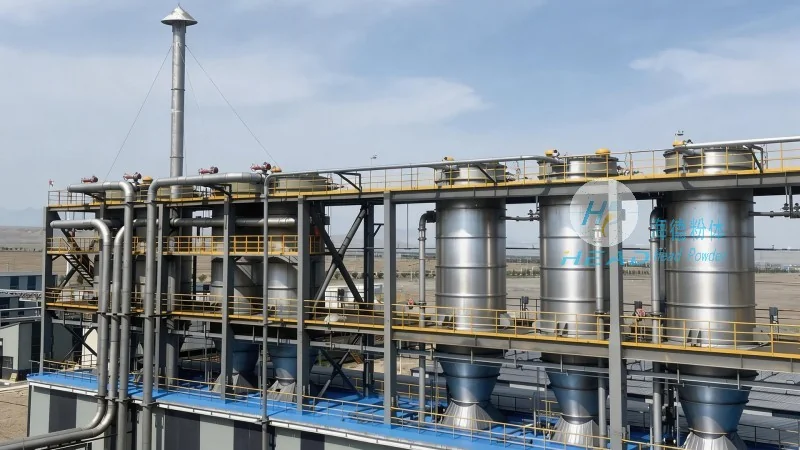
Overview of the Seaweed Residue Pellet Pneumatic Conveying System
The seaweed residue pellet pneumatic conveying system is a specialized piece of equipment designed to transport pelletized seaweed residues through a pipeline using air as the conveying medium. This method is particularly advantageous for materials that are lightweight, dusty, or have a tendency to clump together, as it minimizes material degradation and ensures a clean, controlled transfer process.
Working Principle of the Pneumatic Conveying System
The core mechanism of the seaweed residue pellet pneumatic conveying system involves the use of a blower or compressor to generate a flow of air within a sealed pipeline. The pelletized seaweed residue is then introduced into the system, typically at an inlet or hopper, where it is entrained by the moving air stream. As the air and material move through the pipeline, the system maintains a consistent flow rate, ensuring that the pellets are transported smoothly without clogging or loss of material. The system may include components such as a feeder, a control valve, and a receiver, all working in tandem to regulate the flow and maintain system pressure.
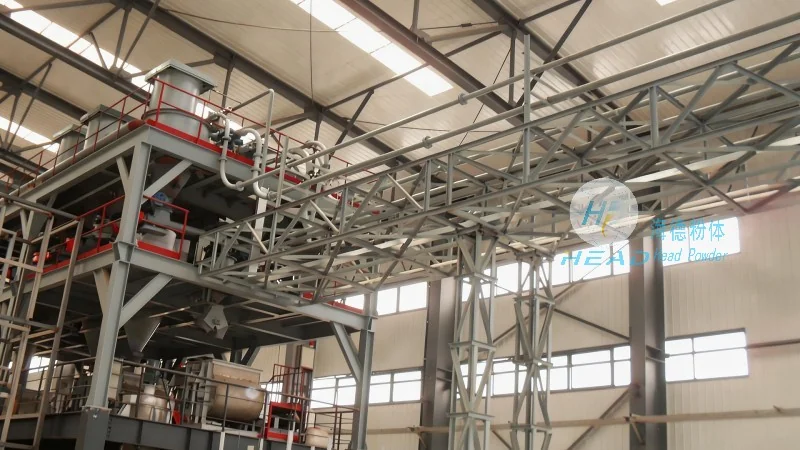
Key Features and Advantages of the System
Several notable features distinguish the seaweed residue pellet pneumatic conveying system from traditional transport methods. Firstly, it offers a dust-free operation, which is critical for maintaining a clean working environment and complying with environmental regulations. The system also minimizes material degradation, as the gentle air flow prevents breakage or crushing of the pellets, preserving their integrity and quality. Additionally, the system is highly flexible, allowing for changes in material flow rates and pipeline configurations without extensive modifications. The compact design of the equipment makes it suitable for both small-scale and large-scale applications, providing versatility for various industrial settings.
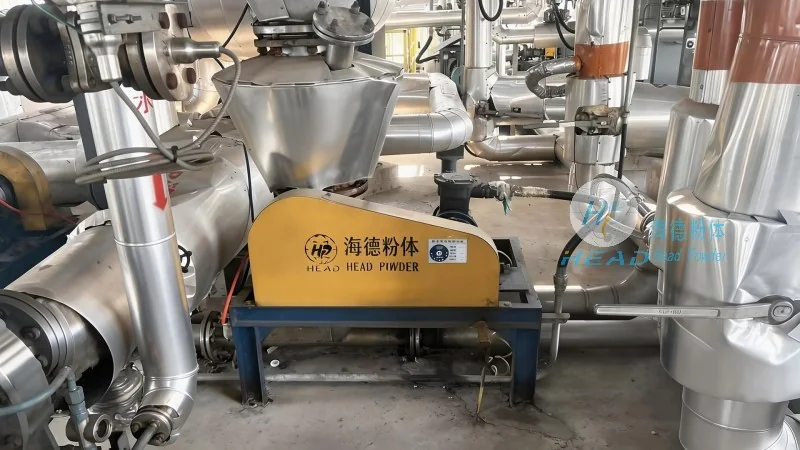
Application Scenarios and Benefits
The seaweed residue pellet pneumatic conveying system is particularly well-suited for applications in the biomass energy sector, where seaweed is processed into pellets for use as a renewable fuel source. By efficiently transporting these pellets from processing facilities to storage or combustion sites, the system enhances operational efficiency and reduces labor costs associated with manual handling. The system also contributes to improved safety in the workplace, as it eliminates the need for manual handling of potentially dusty or heavy materials. Furthermore, the system's ability to maintain consistent material flow rates ensures that downstream processes, such as combustion or further processing, receive a steady supply of material, optimizing overall production.
Conclusion
In summary, the seaweed residue pellet pneumatic conveying system equipment from Shandong HeadPowder Engineering Co., Ltd. represents a cutting-edge solution for the efficient and reliable transport of pelletized seaweed residues. Its working principle, which leverages pneumatic technology to move materials through a sealed pipeline, combined with its key features such as dust-free operation and material preservation, makes it an ideal choice for industries dealing with biomass materials. The system's flexibility and adaptability to various applications further enhance its value, providing a sustainable and efficient method for material handling in the modern industrial landscape.