

[W]Working Principle and Features of Algae Residue Pellet Pneumatic Conveying Equipment
Algae residue pellet pneumatic conveying equipment is a specialized system designed for the efficient transport of algae residue pellets. This equipment plays a crucial role in various industrial applications, particularly in the processing and handling of biomass materials. The following sections will delve into the working principle and key features of this equipment, providing a comprehensive understanding of its functionality and benefits.
Company Information
HeadPowder, a leading manufacturer in the field, is dedicated to providing high-quality pneumatic conveying solutions. With a strong presence in Shandong, China, the company has established itself as a trusted provider of industrial equipment. The headquarters is located in Shandong, where advanced technology and rigorous quality control ensure the production of reliable and efficient conveying systems.
Working Principle of Algae Residue Pellet Pneumatic Conveying Equipment
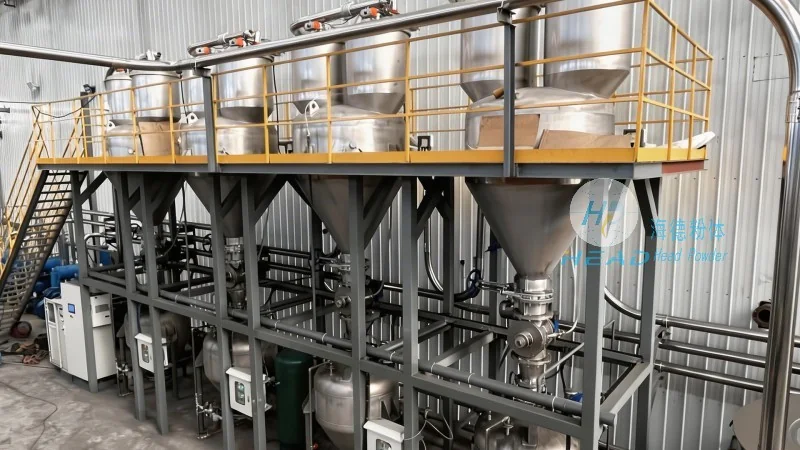
The core mechanism of the algae residue pellet pneumatic conveying system involves the use of air to transport solid particles. The process typically begins with the loading of algae residue pellets into a hopper or feeder. From there, the material is fed into a pipeline where compressed air is introduced. The air, often referred to as the conveying medium, creates a flow that lifts and moves the pellets through the system. This method, known as pneumatic conveying, relies on the interaction between the air flow and the solid particles to achieve efficient transport. The equipment may utilize different types of air flow, such as positive or negative pressure systems, depending on the specific application and material characteristics. The positive pressure system uses compressed air to push the material forward, while the negative pressure system draws the material through the pipeline using suction. The selection of the appropriate pressure type is critical to ensure optimal performance and minimize operational issues.
Key Features of Algae Residue Pellet Pneumatic Conveying Equipment
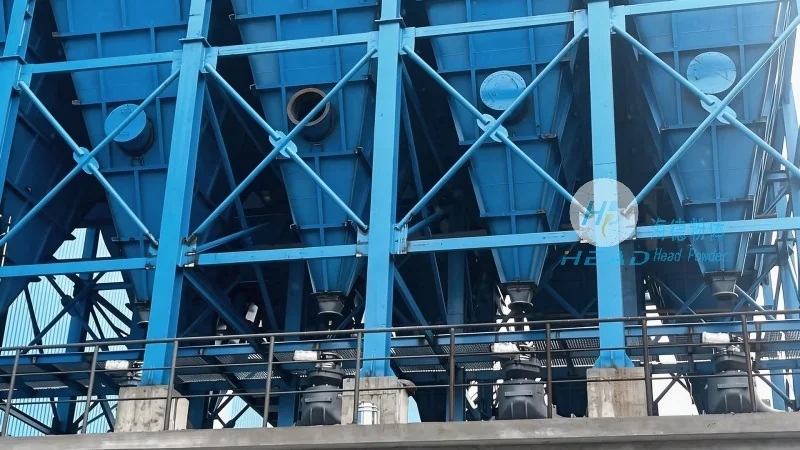
Several notable features distinguish the algae residue pellet pneumatic conveying equipment from other conveying systems. Firstly, it offers a highly efficient and continuous transport process, which is essential for maintaining production line throughput. The system is capable of handling a wide range of particle sizes and densities, making it versatile for various algae residue compositions. Additionally, the equipment is designed with minimal material contact, reducing the risk of contamination and ensuring product integrity. This is particularly important for algae residue, which may contain moisture or other substances that could affect downstream processes. The system also features adjustable air flow and pressure controls, allowing operators to fine-tune the conveying parameters to suit different operational conditions. This adaptability enhances the overall flexibility and reliability of the equipment. Furthermore, the design incorporates components that minimize wear and tear, such as high-quality materials and robust construction, leading to longer service life and lower maintenance costs. The equipment is also equipped with safety features, including pressure relief valves and monitoring systems, to ensure safe and reliable operation. These features collectively contribute to the equipment's effectiveness and user-friendly nature.
Applications and Benefits
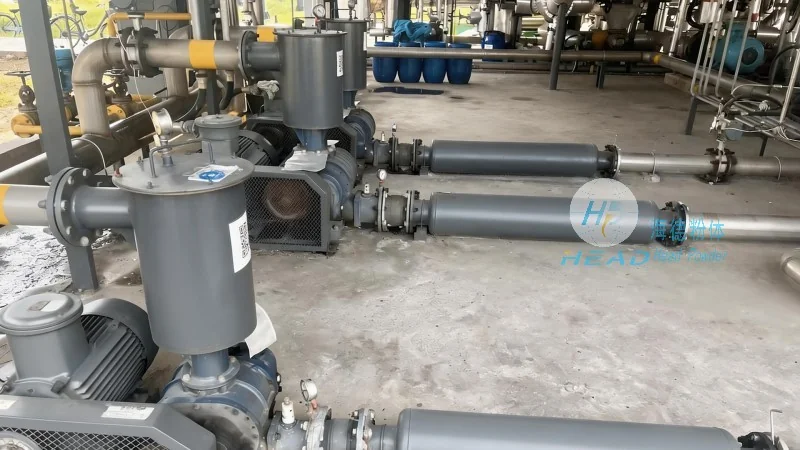
The algae residue pellet pneumatic conveying equipment is widely used in industries that process biomass materials, such as biofuel production, wastewater treatment, and agricultural applications. Its primary benefits include improved operational efficiency, reduced labor costs, and enhanced product quality. By automating the transport process, the equipment minimizes the need for manual handling, which not only increases productivity but also improves workplace safety. The system's ability to handle abrasive materials without significant wear also contributes to cost savings over time. Moreover, the consistent and reliable transport of algae residue pellets ensures that downstream processes, such as drying or processing, operate smoothly. This consistency is crucial for maintaining product quality and meeting production targets. The equipment's compact design and space-saving features make it suitable for installations in limited spaces, further enhancing its practicality. Overall, the algae residue pellet pneumatic conveying equipment offers significant advantages in terms of efficiency, reliability, and cost-effectiveness.
Conclusion
In conclusion, the algae residue pellet pneumatic conveying equipment is a sophisticated and efficient solution for transporting algae residue pellets. Its working principle, based on pneumatic conveying with adjustable air flow and pressure, ensures optimal performance. The key features, including versatility, minimal contamination risk, and adjustable controls, make it a valuable asset in various industrial settings. The equipment, manufactured by Shandong HeadPowder Engineering Co., Ltd. in Shandong, China, combines advanced technology with robust construction to deliver reliable and durable performance. For industries dealing with algae residue, this equipment provides a practical and effective means of material handling, contributing to improved operational efficiency and product quality.