

Working Principle and Features of Soybean Protein Powder Pneumatic Conveying Equipment
For industrial applications involving the handling of soybean protein powder, efficient and reliable material transport is crucial. The soybean protein powder pneumatic conveying equipment, provided by Shandong HeadPowder Engineering Co., Ltd., offers a sophisticated solution that ensures seamless material transfer while maintaining product integrity. This article delves into the working principle and key features of this equipment, highlighting its advantages in modern processing environments.
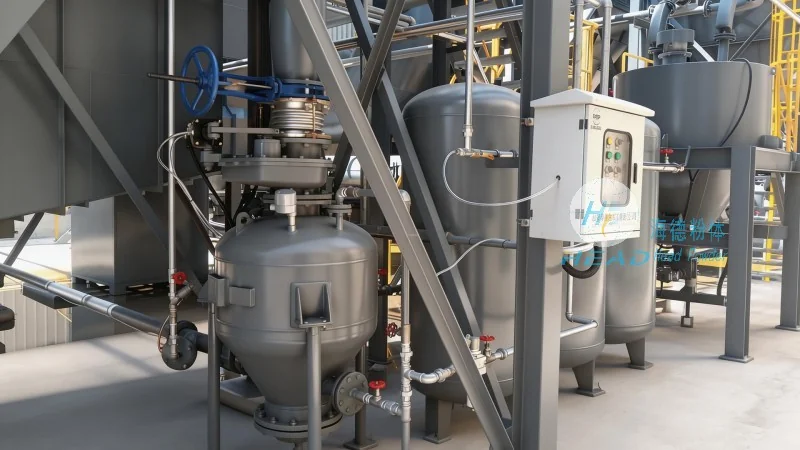
Understanding the Working Principle of Soybean Protein Powder Pneumatic Conveying Equipment
The core of the soybean protein powder pneumatic conveying system lies in its ability to transport bulk materials through an air stream. The process typically involves several key components: a material hopper, a rotary valve, a conveying pipeline, a pressure or vacuum source, and a dust collector. The working principle can be broken down into the following steps:
First, the soybean protein powder is fed into the material hopper from the storage silo. The rotary valve then regulates the flow of the powder, controlling the quantity that enters the conveying pipeline. Simultaneously, the air compressor or vacuum pump generates the necessary air pressure or vacuum to create a flow within the pipeline. As the powder is introduced into the pipeline, it is entrained by the air stream and carried to the destination point, such as a storage silo or processing unit. The dust collector is integrated to capture any fine particles that may escape during the conveying process, ensuring environmental compliance and product purity.
Key Features of Soybean Protein Powder Pneumatic Conveying Equipment
Shandong HeadPowder Engineering Co., Ltd. has designed this equipment with several distinctive features that enhance its performance and usability in industrial settings:
1. Low Maintenance and High Reliability: The system utilizes minimal moving parts, primarily the rotary valve and the air compressor, reducing the risk of mechanical failure. This design minimizes downtime and maintenance costs, making it a cost-effective solution for long-term operation.
2. Energy Efficiency: By optimizing the air flow and pressure, the equipment operates with lower energy consumption compared to traditional mechanical conveying methods. This not only reduces operational costs but also aligns with sustainable industrial practices.
3. Product Integrity Preservation: The pneumatic conveying process is gentle on the soybean protein powder, preventing agglomeration, caking, or degradation that can occur with mechanical handling. This ensures that the final product maintains its quality and nutritional properties.

4. Versatility in Application: The equipment can handle a wide range of particle sizes and moisture contents, making it suitable for various processing stages, from raw material intake to final product packaging. Its adaptability allows for integration into existing production lines without major modifications.
5. Environmental Compliance: The integrated dust collector effectively captures airborne particles, preventing dust emissions and ensuring adherence to environmental regulations. This feature is particularly important in industries where air quality standards are strictly enforced.
Conclusion and Company Overview
Shandong HeadPowder Engineering Co., Ltd., based in Shandong, China, specializes in the design and manufacturing of advanced pneumatic conveying systems tailored to the needs of the food and chemical industries. The soybean protein powder pneumatic conveying equipment exemplifies the company's commitment to providing efficient, reliable, and environmentally friendly solutions for material handling. By understanding the working principle and leveraging the key features of this equipment, businesses can enhance their operational efficiency, reduce costs, and maintain the quality of their soybean protein powder products.