

Working Principle and Features of Sodium Stearate Pneumatic Conveyor
This article provides an in-depth exploration of the working principle and key features of the sodium stearate pneumatic conveying equipment, a specialized device used in the powder handling industry. The equipment is designed to efficiently transport fine powders like sodium stearate through an air-driven system, ensuring reliable and safe material transfer in industrial applications.
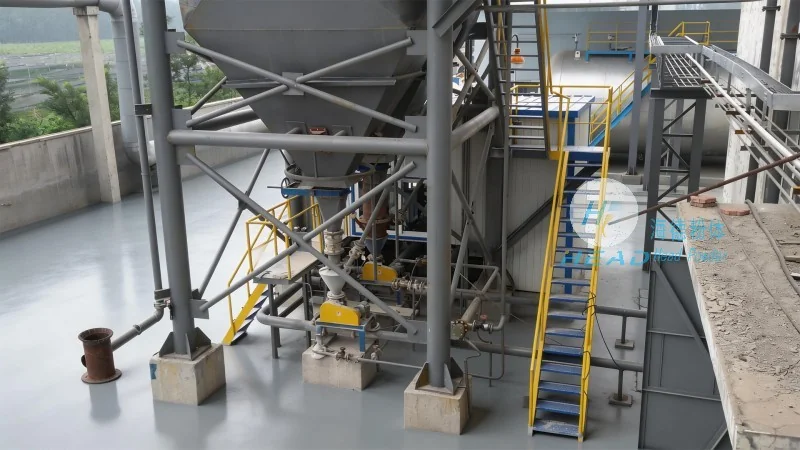
HeadPowder, a leading manufacturer based in Shandong, China, specializes in the design and production of advanced pneumatic conveying systems. The company's expertise lies in creating customized solutions that meet the specific requirements of various industries, including chemical processing, food manufacturing, and pharmaceuticals. With a strong focus on quality and innovation, HeadPowder has established itself as a trusted partner for businesses seeking efficient powder handling solutions.
The working principle of the sodium stearate pneumatic conveyor involves the use of compressed air to create a flow of material through a pipeline. The system typically consists of a hopper, a rotary valve, a conveying line, and a receiver. The powder is fed into the hopper, and as the rotary valve opens, it allows the material to enter the conveying line. Compressed air is then introduced into the line, creating a negative pressure that pulls the powder along the pipeline to the receiver. This process ensures a continuous and controlled flow of sodium stearate, minimizing material degradation and loss.
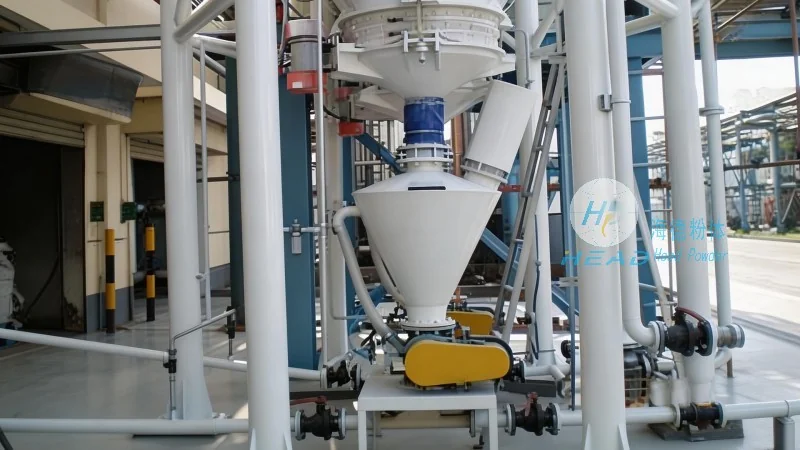
One of the primary advantages of the pneumatic conveying system is its ability to handle fine powders that are difficult to transport using traditional methods such as belt conveyors or screw conveyors. The air-driven mechanism prevents material buildup and reduces the risk of clogging, which is common in other types of equipment. Additionally, the system can be easily integrated into existing production lines, allowing for seamless material transfer without the need for extensive modifications.
Another key feature of the sodium stearate pneumatic conveyor is its energy efficiency. By using compressed air as the primary driving force, the system minimizes the need for additional mechanical components, reducing energy consumption and operational costs. The design also incorporates features to optimize air usage, such as adjustable air flow controls and efficient air separation systems, ensuring that the equipment operates at peak performance.
The equipment is constructed from high-quality materials that are resistant to corrosion and wear, making it suitable for handling various types of powders, including those with moisture or abrasive properties. The components are designed to withstand the rigors of continuous operation, providing long-term reliability and durability. HeadPowder's commitment to using advanced materials and manufacturing techniques ensures that the pneumatic conveying systems meet the highest industry standards.

In terms of maintenance and operation, the sodium stearate pneumatic conveyor is designed for ease of use and low maintenance. The system includes user-friendly controls that allow operators to monitor and adjust the conveying parameters in real-time. Regular maintenance is minimal, primarily involving the inspection and replacement of air filters and seals, which can be performed by trained personnel without specialized tools.
The safety features of the equipment are also noteworthy. The system includes pressure relief valves and airlocks to prevent over-pressurization and ensure safe operation. Additionally, the design incorporates dust suppression mechanisms to minimize the release of fine particles into the environment, complying with environmental regulations and ensuring a safe working environment for personnel.
When considering the application of a sodium stearate pneumatic conveyor, several factors should be taken into account. The first is the material characteristics, such as particle size, density, and moisture content, as these can affect the conveying efficiency and system design. The second is the required conveying distance and capacity, as the system can be customized to handle different volumes and distances. The third is the integration with existing equipment, as the system can be designed to work with other production line components, such as mixers, reactors, and packaging machines.
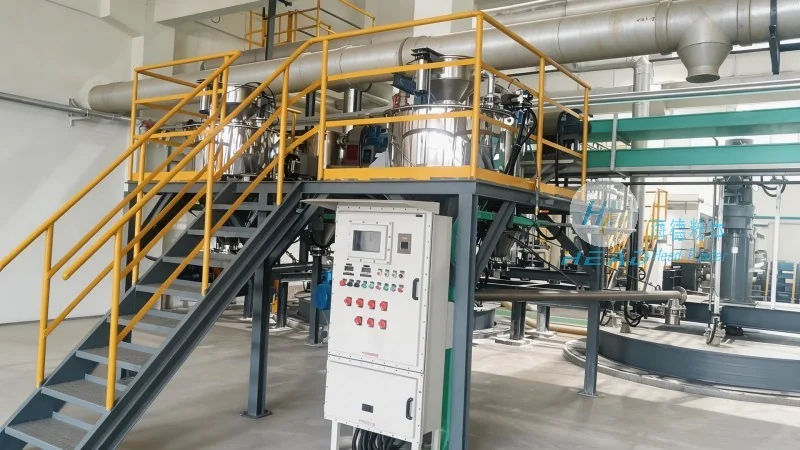
HeadPowder offers a range of customization options to meet the specific needs of each client. The company's engineering team works closely with customers to understand their operational requirements and design a system that maximizes efficiency and performance. From the initial consultation to the final installation and commissioning, HeadPowder provides comprehensive support to ensure that the equipment operates as intended.
In conclusion, the sodium stearate pneumatic conveying equipment is a highly effective solution for the efficient and safe transport of fine powders. Its working principle, based on air-driven technology, offers numerous advantages over traditional conveying methods, including improved material handling, energy efficiency, and reliability. With its robust construction and advanced features, the equipment is well-suited for a variety of industrial applications, and HeadPowder's expertise ensures that customers receive a high-quality, customized solution that meets their specific needs.