

Working Principle and Features of Concrete Pneumatic Conveying Equipment
Concrete pneumatic conveying equipment is a specialized system designed to transport concrete materials through an air-driven process. This technology has become increasingly important in the construction industry due to its ability to move bulk materials efficiently over long distances without the need for traditional mechanical components like belts or buckets. The core of this system lies in the integration of air pressure and material handling, enabling smooth and reliable transport of concrete mixtures.
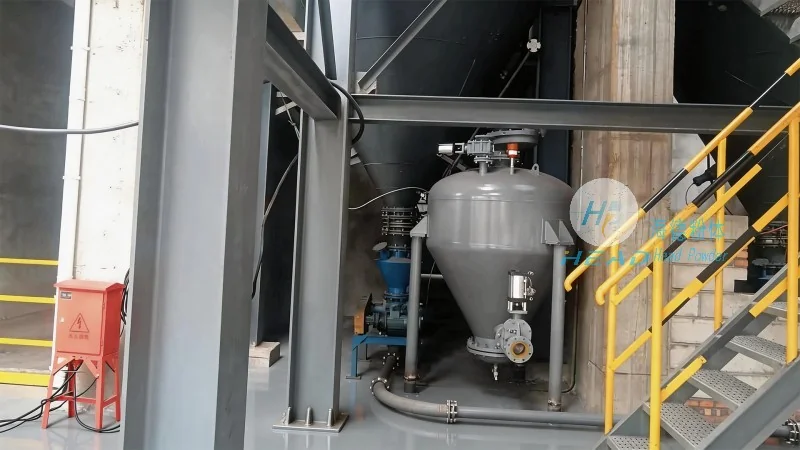
Working Principle of Concrete Pneumatic Conveying Equipment
The fundamental working principle of concrete pneumatic conveying equipment revolves around the use of compressed air to create a flow that propels concrete particles through a pipeline. The process typically begins with the concrete material being fed into a hopper or feeder, where it is then mixed with a controlled amount of air. As the air is introduced, it creates a slurry or suspension of concrete particles, which is then carried through the conveying line by the air current. The equipment utilizes various components such as air compressors, feeders, and pipelines to ensure the material is transported efficiently. The air pressure is carefully regulated to maintain a consistent flow rate, preventing blockages and ensuring the concrete reaches its destination without degradation. This method allows for the seamless transfer of concrete from production sites to construction sites, reducing downtime and labor costs associated with traditional transport methods.
Key Features of Concrete Pneumatic Conveying Equipment
Concrete pneumatic conveying equipment offers several distinct advantages that make it a preferred choice in modern construction. One of the primary features is its high efficiency in material transport, as it can move large volumes of concrete over considerable distances with minimal energy consumption. The system is also highly flexible, allowing for changes in the route or destination without significant modifications to the infrastructure. Additionally, this technology provides a hygienic and dust-free environment, which is crucial for maintaining the quality of the concrete and ensuring compliance with environmental regulations. The equipment is designed to be compact and space-efficient, making it suitable for both large-scale construction projects and smaller job sites. Another notable feature is the ability to handle different types of concrete mixtures, including those with varying consistencies and additives, without compromising the transport process. This adaptability ensures that the system can be tailored to meet the specific needs of various construction applications.
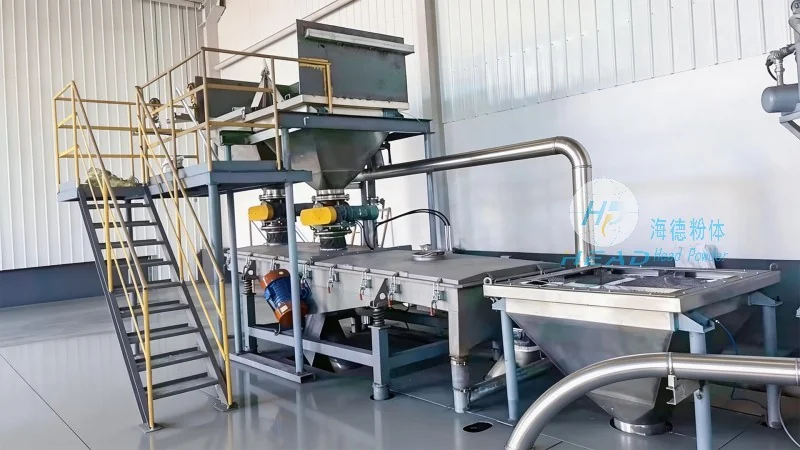
Company Introduction: Shandong HeadPowder Engineering Co., Ltd.
Shandong HeadPowder Engineering Co., Ltd., operating under the brand name headpowder, is a leading manufacturer of concrete pneumatic conveying equipment. With a strong commitment to innovation and quality, the company has established itself as a trusted provider in the industry. HeadPowder specializes in designing and manufacturing advanced pneumatic conveying systems that are tailored to the unique requirements of construction projects. The company's products are engineered to deliver reliable performance, ensuring that concrete is transported safely and efficiently. HeadPowder's team of experts leverages years of experience and cutting-edge technology to develop solutions that enhance productivity and reduce operational costs for construction firms. The company's headquarters is located in Shandong, China, where it operates a state-of-the-art manufacturing facility equipped with modern machinery and quality control systems. This infrastructure enables HeadPowder to produce high-quality equipment that meets international standards and customer expectations.
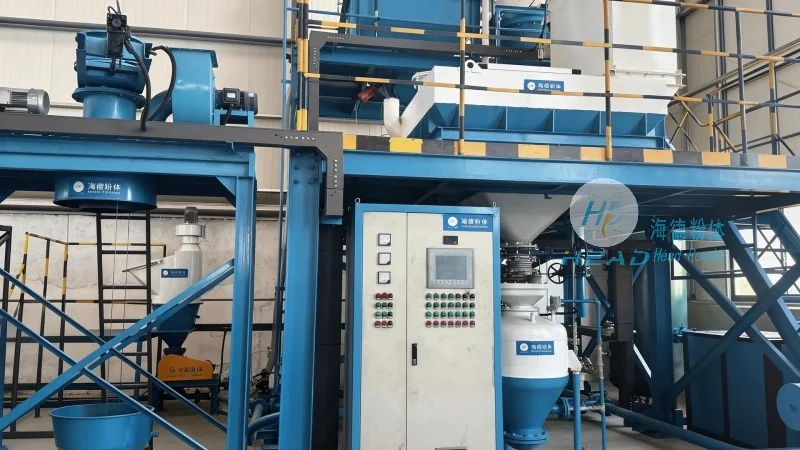
Applications and Benefits in Construction
The applications of concrete pneumatic conveying equipment span a wide range of construction projects, from large-scale infrastructure developments to residential building projects. In infrastructure projects such as highways, bridges, and dams, the equipment is used to transport concrete from batching plants to remote construction sites, reducing the need for heavy machinery and transportation vehicles. This not only improves the speed of construction but also minimizes the environmental impact by reducing emissions and traffic congestion. For residential construction, the system is ideal for delivering concrete to multi-story buildings, where traditional methods may be impractical due to limited access. The benefits of using concrete pneumatic conveying equipment extend beyond efficiency and flexibility; it also enhances the quality of the concrete by maintaining consistent mixing ratios and preventing segregation during transport. This ensures that the final concrete product meets the required strength and durability standards, contributing to the longevity of the structures. Furthermore, the system's ability to handle different types of concrete mixtures allows for customization based on project-specific requirements, such as high-strength or self-leveling concrete. This adaptability makes the equipment a versatile solution for various construction needs.
Technical Advancements and Future Trends
As technology advances, concrete pneumatic conveying equipment continues to evolve, incorporating new features and improvements that enhance its performance and reliability. Modern systems now include advanced control systems that allow for real-time monitoring and adjustment of the conveying process. These systems use sensors and automation to optimize air pressure, flow rate, and material feed, ensuring efficient operation and minimizing waste. Additionally, the integration of digital technologies such as IoT (Internet of Things) enables remote monitoring and maintenance, reducing downtime and maintenance costs. The industry is also seeing the development of more energy-efficient air compressors and materials that reduce friction in pipelines, further improving the overall efficiency of the system. Future trends may include the use of sustainable materials and renewable energy sources to power the equipment, aligning with global efforts to reduce carbon emissions in the construction sector. These advancements will likely lead to even more efficient and environmentally friendly concrete conveying solutions, making them an essential component of modern construction practices.