

Oat Flour Pneumatic Conveying Equipment: An Introduction to the Structure and Principles of Powder H
For those in the food processing industry, particularly those dealing with oat flour and other fine powders, the efficient and reliable transport of these materials is a critical aspect of production. Pneumatic conveying systems have emerged as a preferred solution for handling such powders, offering advantages in hygiene, speed, and flexibility. This article provides an in-depth look at what oat flour pneumatic conveying equipment is, detailing its structure and operational principles.
Understanding Pneumatic Conveying Systems for Oat Flour
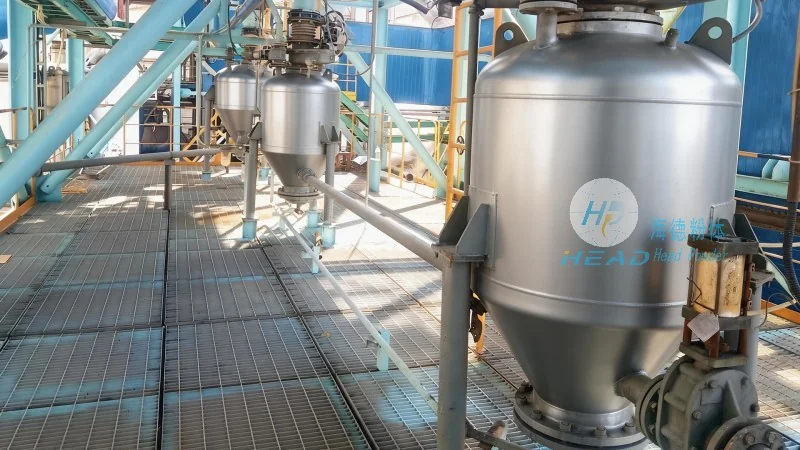
Pneumatic conveying, also known as powder handling equipment, utilizes air or gas to transport dry bulk materials like oat flour through a pipeline system. This method is particularly advantageous for products that are sensitive to moisture or require a dust-free environment. The core components of a pneumatic conveying system include a hopper for material storage, a conveyor line (often with multiple sections), and a control system to regulate air flow and material movement. For oat flour, which is a fine powder, the system must be designed to minimize particle degradation and ensure consistent flow.
Key Components of Oat Flour Pneumatic Conveying Equipment
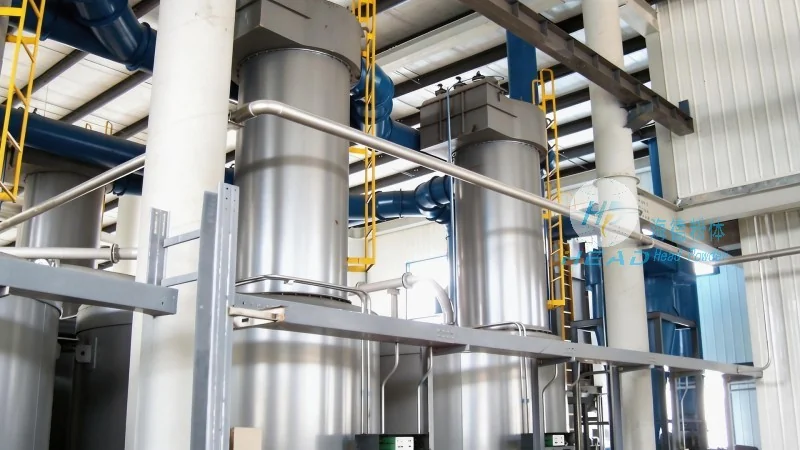
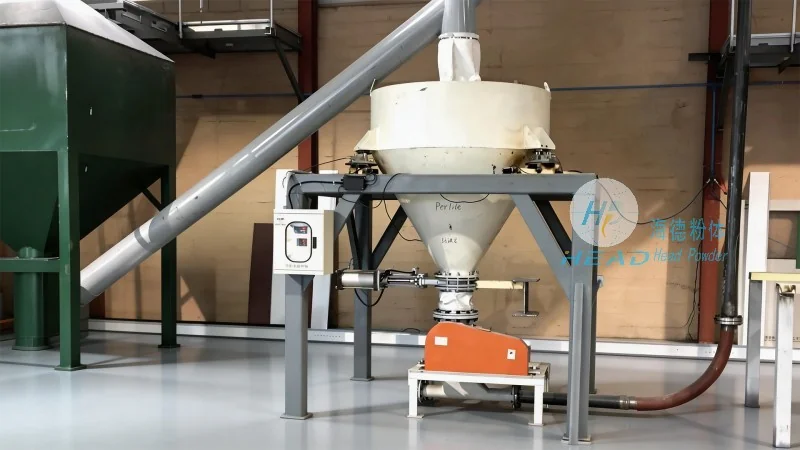
The structure of an oat flour pneumatic conveying system typically consists of several essential parts. The first is the material hopper, which holds the oat flour and feeds it into the conveyor line. This hopper is often equipped with a feeder, such as a rotary valve or a screw feeder, to control the discharge rate. The conveyor line itself is made of stainless steel or other corrosion-resistant materials to maintain hygiene standards. It may include sections like a vertical lift, horizontal transport, and a cyclone separator or filter to separate the flour from the air at the end of the line. The control system, which may include sensors and a programmable logic controller (PLC), monitors and adjusts the air pressure and flow rate to optimize the conveying process.
Operational Principles and How It Works
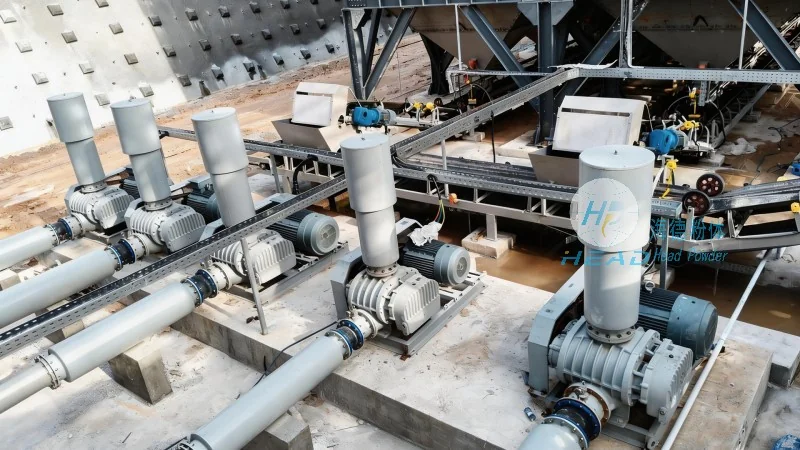
The operational principle of a pneumatic conveying system for oat flour involves creating a pressure differential between the inlet and outlet of the conveyor line. By injecting air into the system, the oat flour particles are suspended and carried along the pipeline. The speed of the conveying depends on the air velocity and the particle size and density of the flour. For fine powders like oat flour, higher air velocities are often required to prevent clogging and ensure smooth transport. The system may operate under positive pressure (where air is pushed through the line) or negative pressure (where air is drawn out), with positive pressure being more common for transporting materials over longer distances or to multiple destinations.
Advantages of Using Pneumatic Conveying for Oat Flour
Implementing a pneumatic conveying system for oat flour offers several benefits. Firstly, it provides a closed system, which is crucial for maintaining product purity and preventing contamination from external sources. This is especially important in food processing where hygiene is paramount. Secondly, the system is highly efficient, capable of transporting large quantities of flour quickly and with minimal labor. It also reduces the risk of dust exposure for operators, improving workplace safety. Additionally, the flexibility of pneumatic conveying allows for easy integration with existing production lines and the ability to transport materials to different locations within the facility.
Application in Food Processing and Beyond
Oat flour pneumatic conveying equipment is widely used in the food industry, particularly in the production of oat-based products like oatmeal, oat flour, and oat-based snacks. The system ensures that the flour is transported from storage silos to processing equipment without any loss or contamination. It is also applicable in other industries that handle fine powders, such as pharmaceuticals and chemicals, where similar conveying principles are employed. The adaptability of the system makes it suitable for various production scales, from small-scale operations to large industrial facilities.
Conclusion and Company Overview
Pneumatic conveying equipment for oat flour is a sophisticated solution that combines advanced engineering with practical application to meet the demands of modern food processing. By understanding its structure and operational principles, businesses can make informed decisions about implementing such systems to enhance their production efficiency and product quality. Shandong HeadPowder Engineering Co., Ltd., based in China, specializes in the design and manufacturing of high-quality pneumatic conveying systems tailored to the needs of various industries, including food processing. With a focus on innovation and customer satisfaction, the company provides reliable equipment that ensures the safe and efficient handling of powders like oat flour.