

Working Principle and Features of Potassium Carbonate Pneumatic Conveying Equipment
For industrial applications involving the handling of potassium carbonate, efficient and reliable material transport is crucial. This article explores the working principle and key features of pneumatic conveying equipment designed specifically for potassium carbonate, highlighting how such systems enhance operational efficiency and safety in material handling processes.
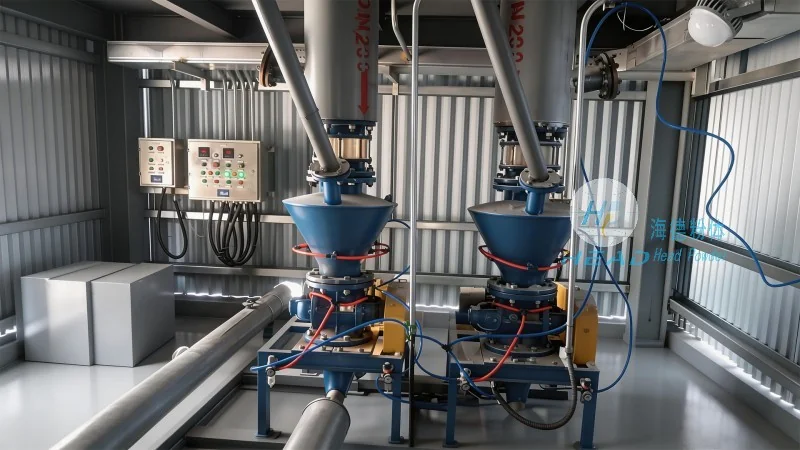
Working Principle of Potassium Carbonate Pneumatic Conveying Equipment
Potassium carbonate pneumatic conveying equipment operates on the principle of pneumatic transport, which involves the movement of solid particles through a pipeline using a stream of air or other gas. The system typically consists of a material feed hopper, a conveyor line, and a discharge mechanism. In operation, potassium carbonate is fed into the hopper, where it is then drawn into the conveyor line by a high-velocity air stream generated by a blower or compressor. The air stream carries the solid particles along the pipeline to the discharge point, where the material is separated from the air and collected. This process eliminates the need for mechanical components like belts or screws, reducing maintenance requirements and minimizing the risk of material contamination.
Key Features of Potassium Carbonate Pneumatic Conveying Equipment
Several distinct features make pneumatic conveying systems ideal for handling potassium carbonate:
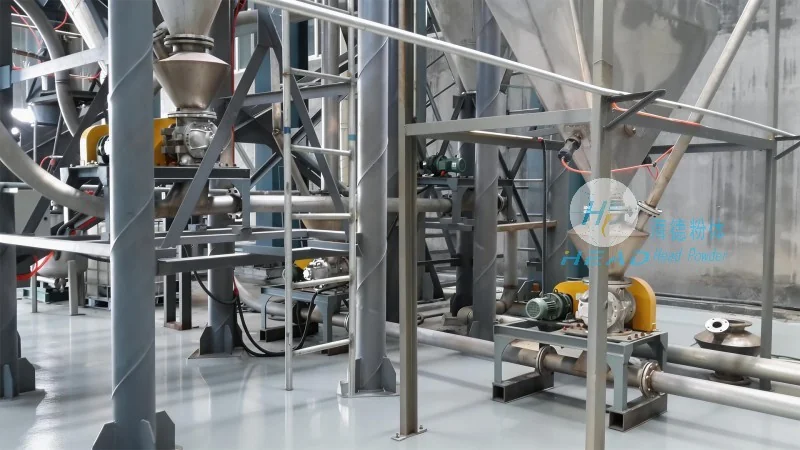
1. High Efficiency and Capacity: Pneumatic conveyors can transport large volumes of potassium carbonate quickly and continuously, ensuring smooth production flow in industrial settings. The ability to handle high throughput rates makes them suitable for applications requiring rapid material movement, such as in chemical manufacturing or food processing.
2. Low Maintenance and Durability: Unlike traditional mechanical conveyors, pneumatic systems have fewer moving parts, reducing the likelihood of wear and tear. This results in lower maintenance costs and longer operational life, making them a cost-effective solution for long-term use.
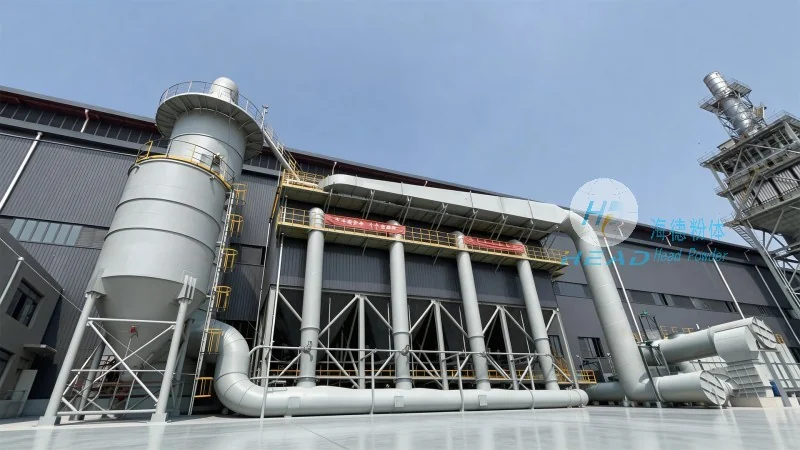
3. Enhanced Safety and Cleanliness: By eliminating direct human contact with the material and using enclosed pipelines, pneumatic conveying minimizes the risk of dust exposure and cross-contamination. This is particularly important for potassium carbonate, which may be used in pharmaceutical or food applications where hygiene is critical.
4. Adaptability to Various Particle Sizes: The design of pneumatic conveying equipment allows it to handle a wide range of particle sizes and shapes, including fine powders and granules. This flexibility makes the system suitable for diverse potassium carbonate products, whether in bulk or packaged forms.
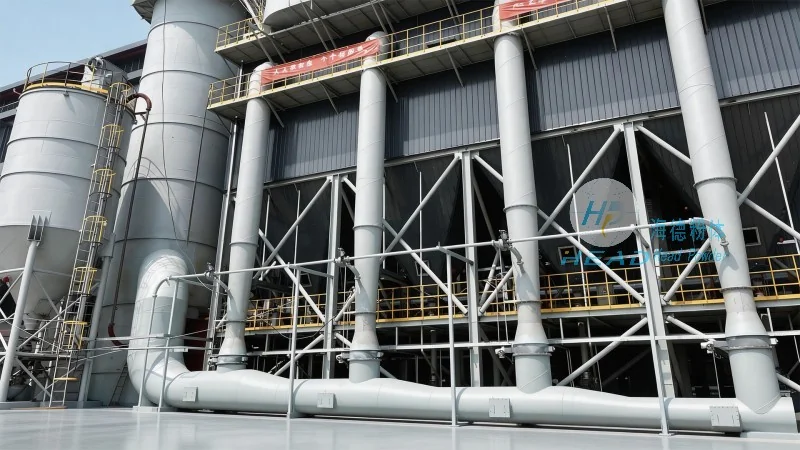
5. Energy Efficiency: Modern pneumatic conveying systems are engineered to optimize energy use, with adjustable air flow rates that match the material's specific characteristics. This ensures that the system operates efficiently without excessive energy consumption, contributing to lower operational costs.
Conclusion
Shandong HeadPowder Engineering Co., Ltd., based in Shandong, China, specializes in the design and manufacturing of advanced pneumatic conveying equipment tailored for potassium carbonate applications. By leveraging the principles of pneumatic transport and incorporating key features such as high efficiency, low maintenance, and enhanced safety, these systems provide industrial users with reliable solutions for material handling. The company's commitment to quality and innovation ensures that their equipment meets the demanding requirements of modern production environments, supporting efficient and safe operations in the handling of potassium carbonate.