

Working Principle and Features of Ammonium Chloride Pneumatic Conveying Equipment
HeadPowder, a leading manufacturer based in Shandong, China, specializes in the design and production of advanced pneumatic conveying systems tailored for handling ammonium chloride. This article delves into the fundamental working principle and key characteristics of such equipment, providing a comprehensive overview for industry professionals seeking reliable material transport solutions.
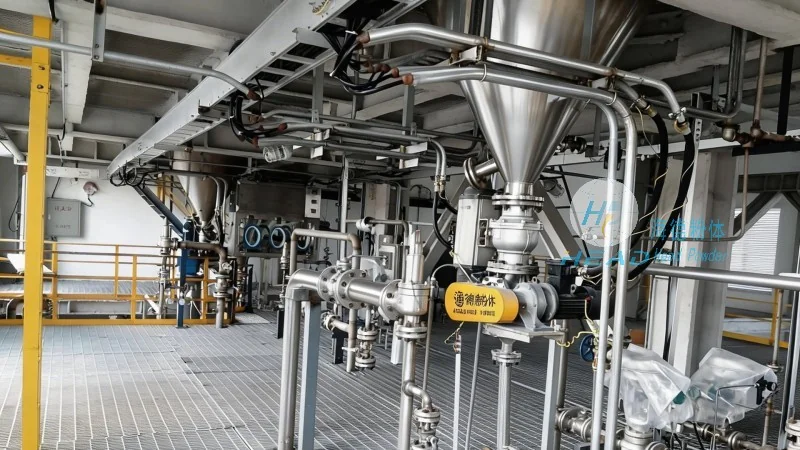
Overview of Ammonium Chloride Pneumatic Conveying Equipment
Ammonium chloride, a widely used chemical in various industrial applications, requires efficient and safe transportation methods to ensure optimal operational performance. Pneumatic conveying equipment offers a robust solution by utilizing air pressure to move bulk materials like ammonium chloride through a closed system. This approach minimizes product contamination, reduces dust emissions, and enhances overall process safety compared to traditional mechanical conveying methods.
The Working Principle of Pneumatic Conveying Systems
At the core of ammonium chloride pneumatic conveying equipment is the principle of air-driven material transport. The system typically consists of a hopper, a rotary airlock valve, a conveying line, and a receiver. The process begins with the material being fed into the hopper. As air is introduced into the system, it creates a low-pressure zone that draws the ammonium chloride particles into the conveying line. The rotary airlock valve regulates the flow of material into the line, preventing backflow and ensuring consistent material delivery. The conveying line transports the material to the receiver, where the air is separated from the product and either recycled or vented. This continuous cycle allows for efficient and uninterrupted material handling.
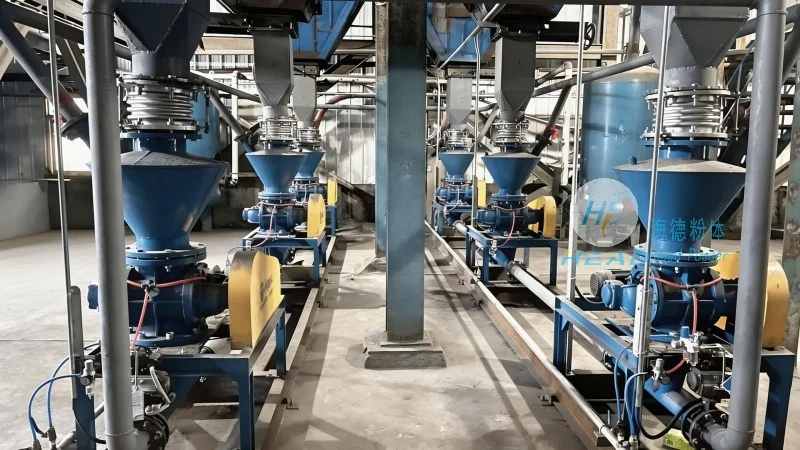
Key Features and Advantages of the Equipment
HeadPowder's ammonium chloride pneumatic conveying equipment is engineered with several distinctive features that set it apart in the industry. Firstly, the system is designed for high efficiency, achieving rapid material transfer with minimal energy consumption. The closed-loop design ensures that dust and particles are contained, reducing environmental impact and improving workplace safety. Additionally, the equipment is equipped with advanced control systems that allow for precise regulation of air pressure and material flow, enabling operators to adjust the conveying rate according to specific process requirements. The robust construction of the components, including corrosion-resistant materials for handling ammonium chloride, ensures long-term durability and reliability. Another notable feature is the flexibility of the system, which can be adapted to various plant layouts and production scales, making it suitable for both small-scale and large-scale operations. The equipment also offers easy maintenance and cleaning, with components that can be easily disassembled and sanitized, which is crucial for maintaining product quality and compliance with industry standards.
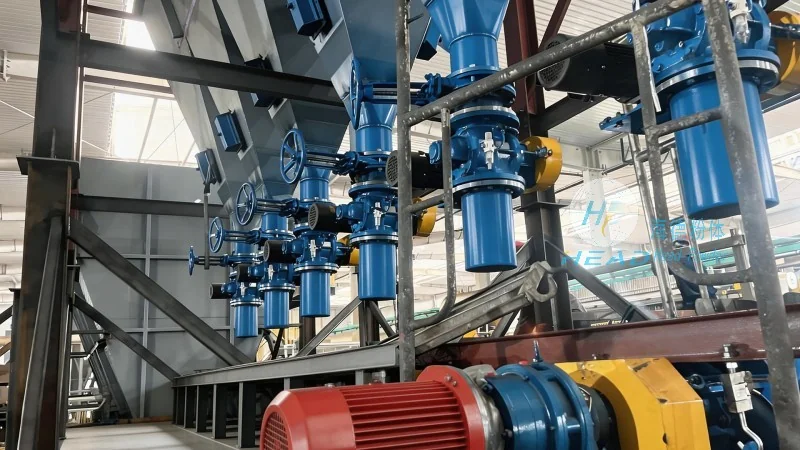
Application-Specific Considerations
When implementing ammonium chloride pneumatic conveying equipment, several factors must be considered to optimize performance and ensure safety. The particle size and moisture content of the ammonium chloride are critical parameters, as they affect the air velocity required for effective conveying. Proper sizing of the hopper and airlock valve is essential to prevent material bridging or blockages, which can lead to system downtime. The choice of air compressor and filtration system also plays a vital role in maintaining consistent air quality and preventing contamination of the product. Additionally, the system should be integrated with appropriate safety measures, such as explosion-proof components and emergency shut-off valves, to mitigate risks associated with handling ammonium chloride. By addressing these considerations, industries can maximize the efficiency and reliability of their material handling processes.
Conclusion
Ammonium chloride pneumatic conveying equipment from HeadPowder offers a superior solution for the efficient and safe transport of this essential chemical. By leveraging the principles of air-driven material transport and incorporating advanced design features, the equipment ensures high performance, minimal environmental impact, and long-term reliability. With its robust construction, flexible configuration, and user-friendly operation, this system is an ideal choice for industries seeking to enhance their material handling capabilities. HeadPowder's commitment to quality and innovation ensures that their equipment meets the stringent requirements of modern industrial applications, providing customers with a reliable partner in their material transport needs.