

Working Principle and Features of Dry Denitration Equipment
For industrial facilities seeking to comply with stringent environmental regulations, the selection of an effective denitration system is critical. Among the various technologies available, dry denitration equipment stands out as a reliable solution for reducing nitrogen oxide emissions from combustion processes. This article provides an in-depth exploration of the working principle and key features of dry denitration equipment, highlighting its advantages and practical applications.
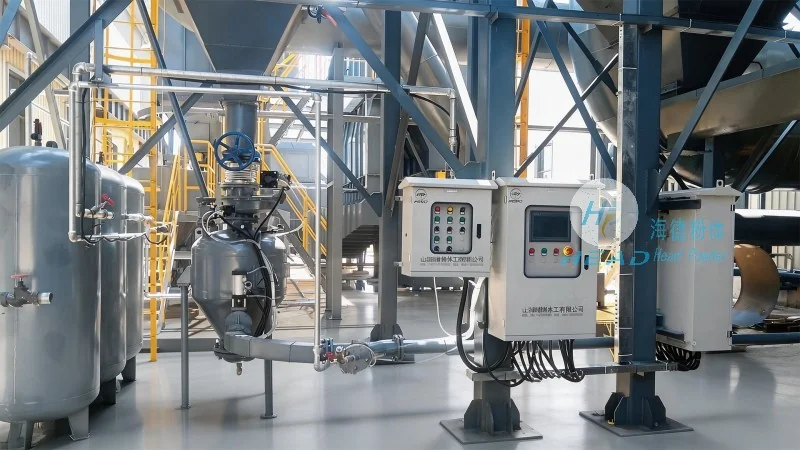
Introduction to Dry Denitration Equipment
Dry denitration, also known as selective non-catalytic reduction (SNCR) or selective catalytic reduction (SCR) in some contexts, is a technology used to reduce nitrogen oxides (NOx) in flue gases. Unlike wet denitration processes that rely on liquid absorbents, dry denitration utilizes solid or dry reagents to achieve NOx reduction. The equipment from Shandong HeadPowder Engineering Co., Ltd. (commonly known as HeadPowder) exemplifies this technology, offering a robust and efficient solution for industrial applications.
Working Principle of Dry Denitration Equipment
The core of dry denitration equipment lies in the chemical reaction between the nitrogen oxide (NOx) in flue gases and a reducing agent. The process typically involves the following steps:
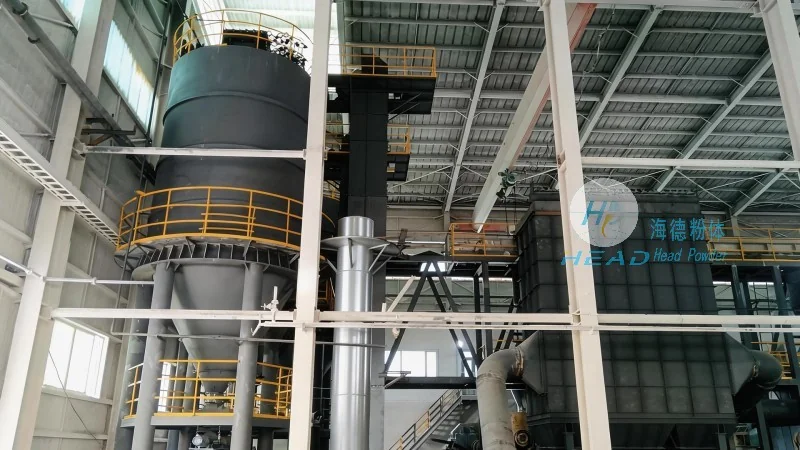
- Flue Gas Treatment: Flue gases, containing NOx, are first treated to remove particulate matter and other contaminants. This step ensures optimal conditions for the denitration reaction.
- Reagent Injection: A dry reducing agent, such as ammonia or urea, is injected into the flue gas stream. The reagent is atomized and mixed with the gas to facilitate uniform distribution.
- Chemical Reaction: The reducing agent reacts with NOx, converting it into nitrogen (N₂) and water (H₂O). This reaction occurs at elevated temperatures, typically between 800°C to 1100°C, depending on the specific application.
- Gas Cooling and Purification: After the reaction, the flue gas is cooled to prevent thermal degradation of the reagent and to facilitate downstream treatment. The resulting gas is then purified to meet emission standards.
Key Features of Dry Denitration Equipment
The dry denitration equipment from HeadPowder is designed with several distinctive features that enhance its performance and reliability:
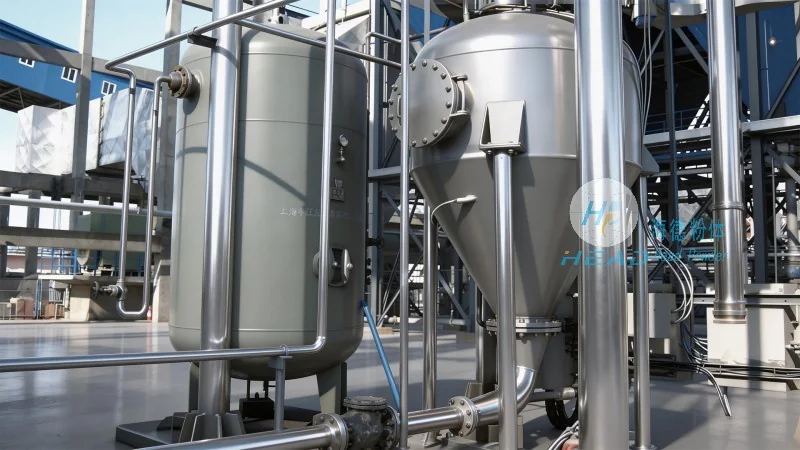
- Efficient NOx Reduction: The system achieves high NOx removal efficiency, often exceeding 80% under optimal operating conditions. This ensures compliance with even the most stringent environmental regulations.
- Low Operating Costs: By utilizing dry reagents, the equipment reduces the need for water treatment and disposal systems, leading to lower operational costs compared to wet denitration methods.
- Compact Design: The equipment is engineered for space efficiency, making it suitable for retrofitting into existing industrial facilities without requiring extensive modifications.
- Robust Construction: Constructed with high-quality materials, the system is resistant to corrosion and thermal stress, ensuring long-term durability and minimal maintenance requirements.
- Advanced Control Systems: Integrated automation and monitoring systems allow for real-time control of the denitration process, optimizing reagent usage and maintaining consistent performance.
Applications and Benefits
Dry denitration equipment is widely used in various industrial sectors, including power generation, cement production, and chemical manufacturing. The primary benefits of this technology include:
- Environmental Compliance: It helps facilities meet or exceed local and national emission standards, avoiding penalties and maintaining operational licenses.
- Energy Efficiency: The dry process minimizes energy consumption associated with water treatment and reagent handling, contributing to overall energy savings.
- Scalability: The system can be customized to accommodate different flue gas volumes and NOx concentrations, making it adaptable to various industrial needs.
- Reduced Maintenance: The robust design and advanced control systems reduce the frequency of maintenance activities, lowering downtime and operational costs.
Conclusion
Shandong HeadPowder Engineering Co., Ltd. provides advanced dry denitration equipment that combines efficient NOx reduction with low operating costs and compact design. By leveraging the working principle of chemical reaction between reducing agents and NOx, this technology offers a reliable solution for industrial facilities seeking to comply with environmental regulations. With its robust construction and advanced control systems, the dry denitration equipment from HeadPowder is an excellent choice for sustainable and compliant industrial operations.