

What is a PE Granular Material Pneumatic Conveying Machine? And What Are Its Design Principles?
HeadPowder, a leading engineering company based in Shandong, China, specializes in the design and manufacturing of advanced pneumatic conveying systems. Among their offerings is the PE granular material pneumatic conveying machine, a critical equipment for efficient material handling in various industrial applications. This article explores what this machine is and delves into its fundamental design principles.
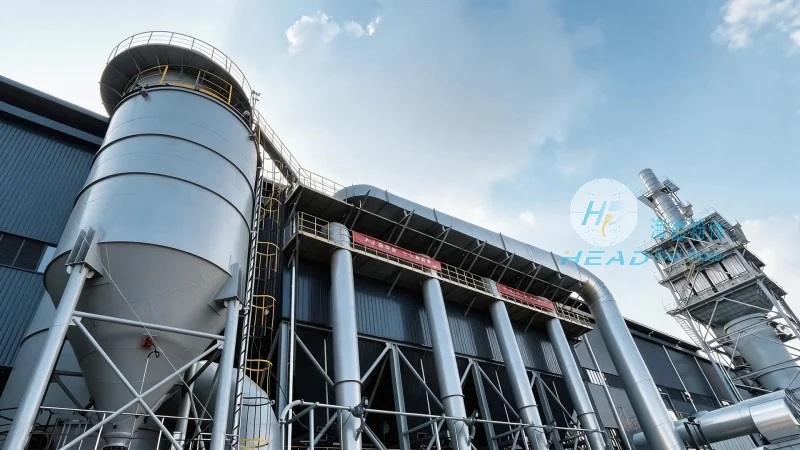
Understanding the PE Granular Material Pneumatic Conveying Machine
The PE granular material pneumatic conveying machine is a specialized system designed to transport polyethylene (PE) granules or pellets through an air stream. This equipment is widely used in the plastics industry, pharmaceuticals, food processing, and other sectors where bulk material handling is required. The primary function is to move PE particles from a source to a destination without the need for mechanical components like belts or buckets, relying instead on the force of compressed air or vacuum.
Key Design Principles of the Pneumatic Conveying System
The design of a PE granular material pneumatic conveying machine involves several critical principles to ensure optimal performance, efficiency, and reliability. These principles are tailored to handle the specific characteristics of PE granules, such as their size, density, and flowability. Here are the main design considerations:
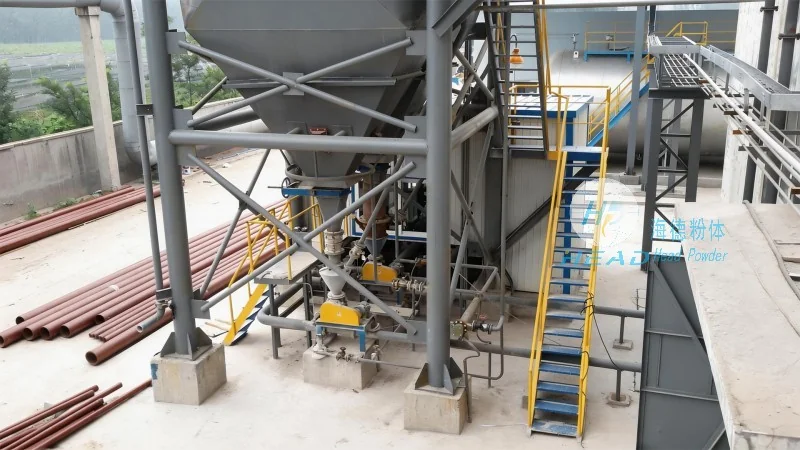
- Air Flow Management: The system must maintain a consistent and sufficient air velocity to lift and transport the PE granules. The air flow rate is calculated based on the material's properties, including particle size, density, and the required conveying distance. Proper air flow ensures that the granules are fully suspended and moved without clogging or deposition.
- Material Handling Capacity: The design must accommodate the desired throughput of PE granules. This involves selecting the appropriate pipe diameter, air pressure, and the number of conveying lines. The capacity is determined by factors like the material's bulk density, the conveying distance, and the system's pressure drop.
- Component Selection: Key components such as the feeder, airlock, and separation equipment are chosen based on the PE granules' characteristics. The feeder ensures a uniform and controlled flow of material into the system, while the airlock prevents air leakage and maintains system pressure. The separation unit, often a cyclone or filter, removes any entrained air and collects the PE granules at the destination.
- Pipeline Design: The layout and diameter of the conveying pipelines are crucial for minimizing pressure drop and ensuring smooth material flow. The design considers the length of the conveying line, the number of bends, and the elevation changes. Proper pipeline design reduces energy consumption and prevents material buildup.
- Control and Automation: Modern pneumatic conveying systems incorporate advanced control systems to monitor and adjust the air flow, pressure, and material flow in real-time. Automation enhances operational efficiency, reduces downtime, and ensures consistent performance. The control system may include sensors for pressure, flow, and level, as well as programmable logic controllers (PLCs) for automated operation.
Applications and Benefits of PE Granular Material Pneumatic Conveying Machines
PE granular material pneumatic conveying machines are employed in various industrial applications where efficient and clean material transport is essential. Some common applications include:
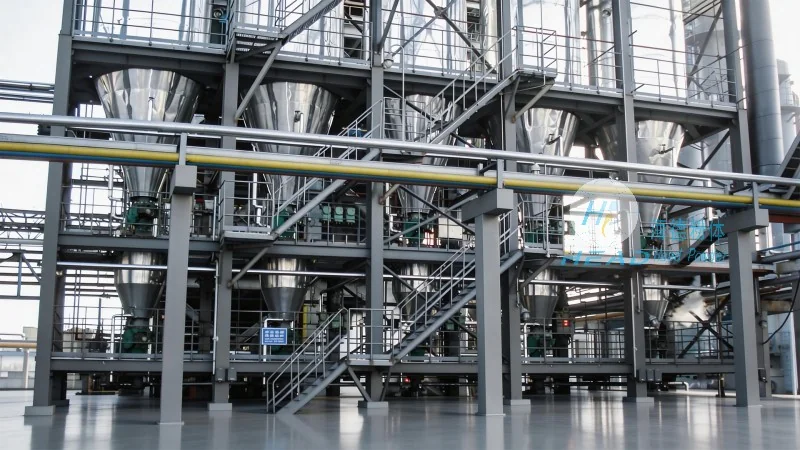
- Plastics Manufacturing: In the production of PE-based products, such as pipes, films, and containers, the machine transports raw PE granules from storage to processing lines. This ensures a continuous and controlled supply of material, improving production efficiency.
- Pharmaceutical and Food Industries: For handling PE granules used in packaging or processing equipment, the pneumatic conveying system provides a hygienic and dust-free method of transport. This is critical in industries where contamination control is paramount.
- Chemical Processing: The system can transport PE granules used as raw materials or additives in chemical processes, ensuring safe and efficient material handling.
The benefits of using a PE granular material pneumatic conveying machine include:
- Efficiency and Speed: The system allows for rapid and continuous material transport, reducing handling time and increasing production throughput.
- Cleanliness and Hygiene: Unlike mechanical systems, pneumatic conveying minimizes material contamination and dust exposure, making it suitable for food and pharmaceutical applications.
- Space Efficiency: The system can be installed in compact spaces, as it does not require large mechanical components or extensive floor space.
- Reduced Maintenance: With fewer moving parts compared to mechanical conveyors, the pneumatic system has lower maintenance requirements and longer service life.
Conclusion
PE granular material pneumatic conveying machines are sophisticated equipment designed to efficiently transport polyethylene granules using air as the conveying medium. The design principles, including air flow management, material handling capacity, and component selection, are critical to ensuring optimal performance. HeadPowder, with its expertise in engineering, provides reliable and customized solutions for various industrial applications, helping businesses achieve efficient and clean material handling. By understanding the design principles and benefits of these machines, industries can enhance their operational efficiency and productivity.