

What is an Iron Sand Material Pneumatic Conveyor? What Are Its Design Principles?
Iron sand, also known as magnetite or black sand, is a fine-grained magnetic material widely used in various industrial applications. The efficient handling and transportation of iron sand are crucial for optimizing production processes. This article explores the concept of an iron sand material pneumatic conveyor and delves into its design principles, highlighting the technology's role in modern material handling systems. The system is developed by Shandong HeadPowder Engineering Co., Ltd., a leading manufacturer specializing in advanced material handling solutions.
Understanding the Iron Sand Material Pneumatic Conveyor
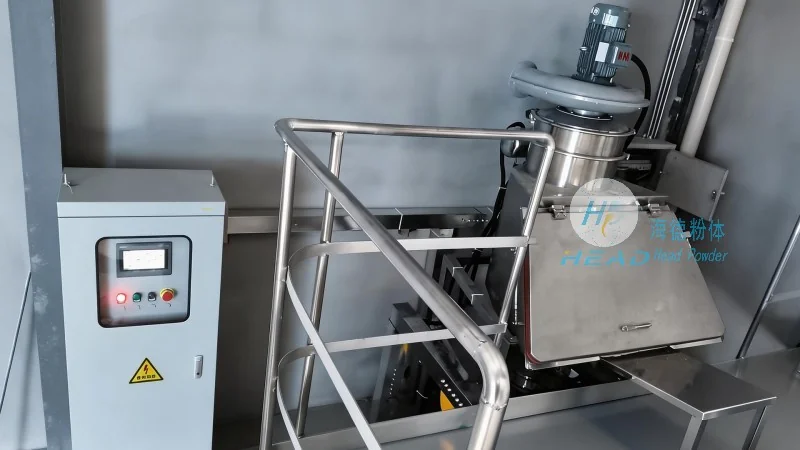
A pneumatic conveyor, specifically designed for iron sand, is a system that uses compressed air or other gases to transport dry, free-flowing materials like iron sand through a pipeline. Unlike traditional mechanical conveyors, this type of system eliminates the need for moving parts in contact with the material, reducing wear and maintenance requirements. The primary components of such a conveyor typically include a hopper for material storage, a blower or air compressor to generate the airflow, a pipeline network for material transport, and a discharge device to release the material at the destination. This design approach is particularly beneficial for handling iron sand, which is often fine and can be abrasive to mechanical components.
Key Design Principles of the Iron Sand Pneumatic Conveyor
The design of an iron sand material pneumatic conveyor is guided by several critical principles to ensure optimal performance, efficiency, and reliability. These principles include:
1. Airflow Velocity and Pressure: The velocity of the air within the pipeline and the pressure generated by the blower are fundamental to the conveyor's effectiveness. Proper airflow velocity ensures that the iron sand particles are entrained and transported without excessive pressure drop or particle degradation. The pressure must be sufficient to overcome friction losses in the pipeline and any elevation changes, while remaining within safe operational limits to prevent material degradation or equipment damage. Shandong HeadPowder Engineering Co., Ltd. carefully calculates these parameters based on the specific characteristics of the iron sand being handled, ensuring that the system operates at peak efficiency.
2. Particle Size and Density Considerations: Iron sand particles are typically fine and dense. The design must account for these characteristics to prevent blockages and ensure consistent material flow. The pipeline diameter and the air velocity are selected based on the particle size distribution and density to maintain a stable suspension of the material in the air stream. This prevents settling or clogging, which could lead to system inefficiencies or failures. The company's engineers conduct thorough material analysis to determine the optimal design specifications for each application.
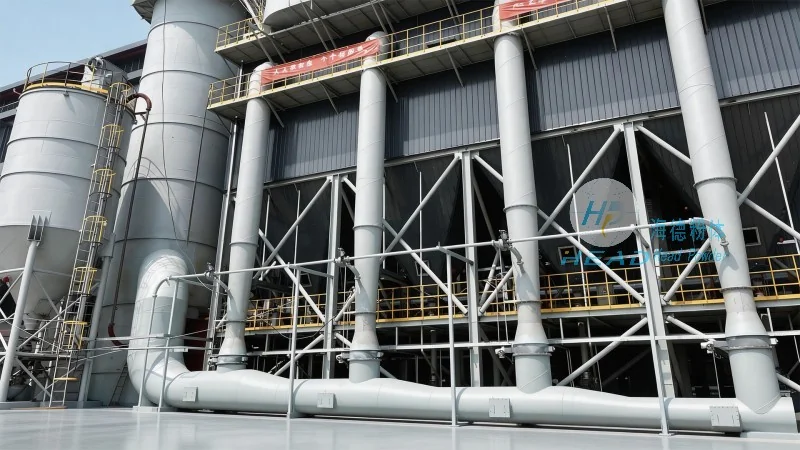
3. Material Handling Capacity and Throughput: The conveyor's design is tailored to meet the specific throughput requirements of the application. Factors such as the desired material flow rate, the volume of iron sand to be transported, and the distance between the source and destination are considered. The blower capacity and pipeline size are scaled accordingly to ensure that the system can handle the required material volume without bottlenecks or excessive energy consumption. This ensures that production lines remain uninterrupted and that material transport is consistent.
4. System Integration and Control: Modern pneumatic conveyors for iron sand often incorporate advanced control systems to monitor and regulate the airflow, pressure, and material flow. These systems may include sensors to detect material levels, pressure gauges to monitor system performance, and automated controls to adjust the blower speed or airflow rate as needed. This integration enhances the system's efficiency and reliability, allowing for real-time adjustments to maintain optimal operation. Shandong HeadPowder Engineering Co., Ltd. integrates state-of-the-art control technologies into their designs to provide customers with reliable and efficient material handling solutions.
Applications and Benefits of Iron Sand Pneumatic Conveyors
The iron sand material pneumatic conveyor is widely used in industries where the handling of fine, magnetic materials is essential. Some common applications include:
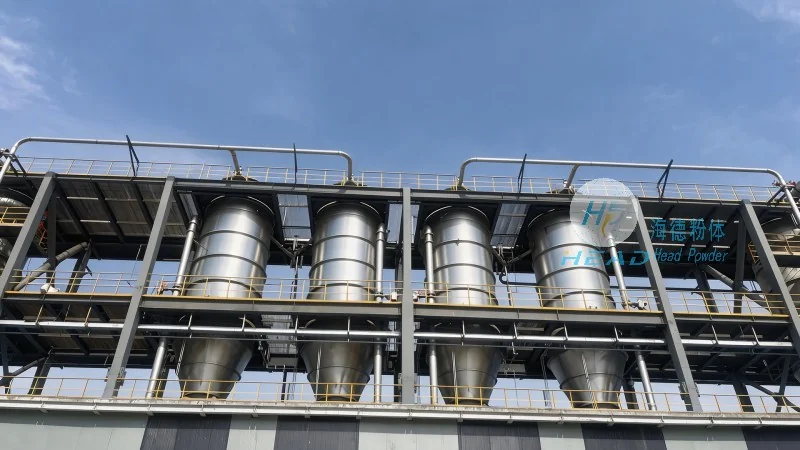
1. Mining and Mineral Processing: In mining operations, iron sand is often extracted from ore and needs to be transported to processing facilities. The pneumatic conveyor provides a dust-free and efficient method for moving the material, reducing the risk of dust exposure and improving overall operational safety. The system is particularly useful in environments where traditional conveyors may be prone to clogging or wear.
2. Steel and Metal Manufacturing: In steel production, iron sand is used as a raw material for the production of iron and steel. The conveyor system efficiently transports the iron sand from storage to the production line, ensuring a steady supply of raw material and minimizing downtime. This contributes to increased productivity and cost savings in the manufacturing process.
3. Recycling and Waste Management: Iron sand is a valuable component in recycling processes, particularly in the recovery of metals from electronic waste or other waste streams. The pneumatic conveyor facilitates the separation and transport of iron sand from other materials, enhancing the efficiency of the recycling process. It helps in recovering valuable metals while reducing the environmental impact of waste disposal.
Overall, the iron sand material pneumatic conveyor offers several benefits over traditional material handling methods. These include reduced labor costs due to automated operation, lower maintenance requirements due to the absence of moving parts, and improved safety by minimizing dust exposure and the risk of material handling accidents. The system's flexibility also allows for easy integration into existing production lines and the ability to transport materials over long distances without the need for multiple transfer points. Shandong HeadPowder Engineering Co., Ltd. continues to innovate in this field, providing advanced solutions that meet the evolving needs of industrial applications.