

What is a fly ash material pneumatic conveyor? What are its design principles?
For industrial applications dealing with fly ash, efficient material handling is crucial. A key solution in this field is the fly ash material pneumatic conveyor, a system designed to transport fly ash and similar powders through an air-driven process. This equipment plays a vital role in optimizing material movement within processing plants, offering a reliable method for handling fine particulate materials like fly ash.
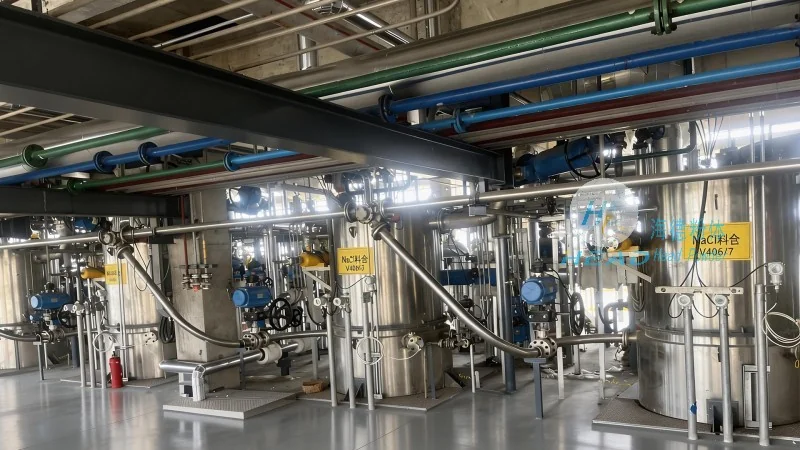
Understanding the Fly Ash Material Pneumatic Conveyor
The fly ash material pneumatic conveyor is a specialized piece of equipment used to transport fly ash and other similar powders through a pipeline using air pressure. This system is particularly effective for handling fine, dry materials that are difficult to move using traditional mechanical conveyors. The primary function of this equipment is to ensure the efficient and safe transfer of fly ash from one location to another within a facility, such as from a storage silo to a processing unit or for disposal purposes.
Design Principles of the Fly Ash Material Pneumatic Conveyor
The design of a fly ash material pneumatic conveyor is based on fundamental principles of fluid dynamics and material handling. The core components include a blower or air compressor that generates the necessary air pressure to move the material. The system typically consists of a hopper or feed inlet where the fly ash is introduced, a pipeline network that transports the material, and a discharge outlet where the material is released. The design must consider factors such as the material's density, moisture content, and particle size to ensure optimal performance. For fly ash, which is a fine powder, the conveyor must be designed to minimize particle segregation and ensure consistent flow. The system may incorporate features like airlocks, cyclones, or filters to maintain air quality and prevent material buildup in the pipeline.
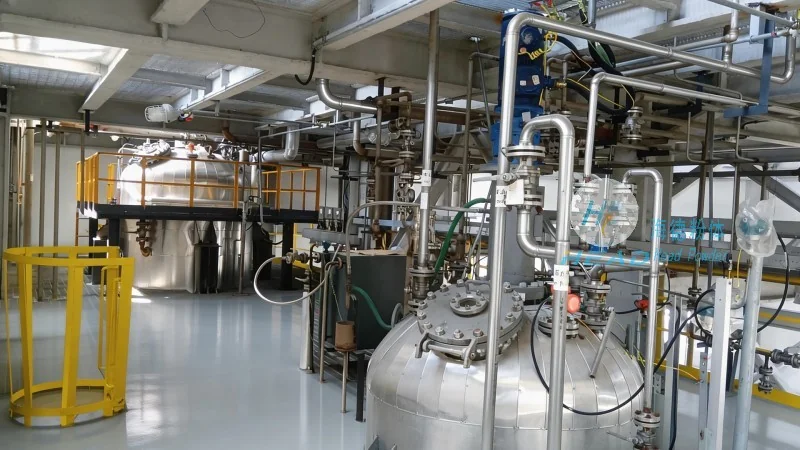
Key Features and Benefits of the Fly Ash Material Pneumatic Conveyor
HeadPowder, a leading manufacturer based in Shandong, China, specializes in designing and producing high-quality fly ash material pneumatic conveyors. The company's products are engineered to meet the specific needs of industrial applications, ensuring reliable and efficient material handling. The conveyors are constructed with durable materials that can withstand the abrasive nature of fly ash, reducing maintenance costs and extending the equipment's lifespan. The design incorporates advanced control systems that allow for precise regulation of air pressure and material flow, enhancing operational efficiency. Additionally, the system is designed to minimize dust emissions, contributing to a safer working environment and compliance with environmental regulations. The use of pneumatic conveyors for fly ash also offers advantages such as reduced labor costs, as the equipment can operate continuously without the need for manual handling.
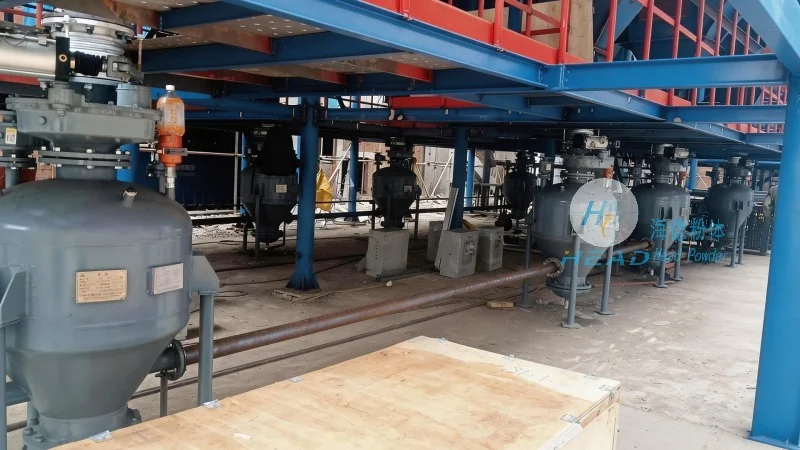
Applications and Industries Served
The fly ash material pneumatic conveyor is widely used in various industries that generate or process fly ash, including power plants, cement manufacturing, and industrial waste management. In power plants, the conveyor is used to transport fly ash from the boiler to storage facilities or for reutilization in cement production. In cement plants, it helps in the efficient transfer of fly ash as a raw material for cement production, improving the overall production process. The equipment is also used in industrial waste treatment facilities to handle fly ash from incineration processes, ensuring proper disposal and reuse of the material.
Conclusion
For industries dealing with fly ash, the fly ash material pneumatic conveyor is an essential piece of equipment that enhances operational efficiency and safety. With its robust design and reliable performance, this system provides an effective solution for material handling. HeadPowder, based in Shandong, China, continues to innovate in the field of pneumatic conveying technology, offering high-quality equipment that meets the evolving needs of industrial applications. By leveraging the design principles and advanced features of these conveyors, industries can achieve improved productivity and reduced operational costs while maintaining compliance with environmental standards.