

What is a Chicken Essence Material Pneumatic Conveying Line? What are its Design Principles?
Welcome to Shandong HeadPowder Engineering Co., Ltd., a leading provider of industrial solutions specializing in pneumatic conveying systems for various powder materials. In this article, we will explore the concept of a chicken essence material pneumatic conveying line and delve into the fundamental design principles that underpin its operation and efficiency.
Understanding Pneumatic Conveying Systems for Chicken Essence
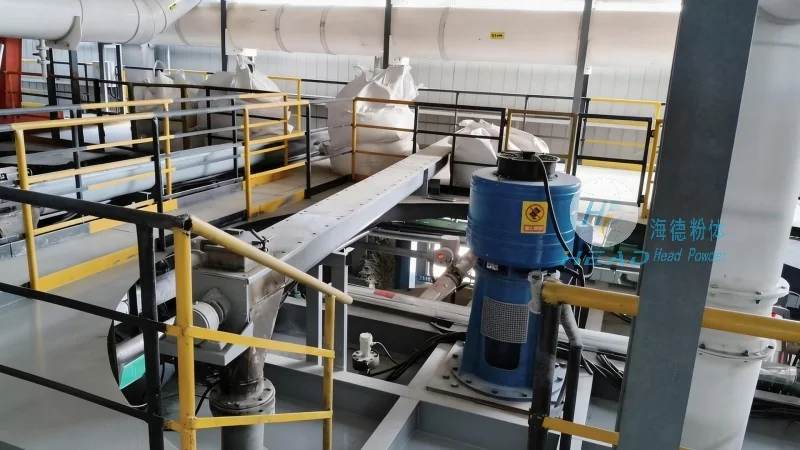
A chicken essence material pneumatic conveying line is a specialized system designed to transport chicken essence powder or similar fine powders through a pipeline using compressed air or other gas. This technology offers a clean, efficient, and hygienic method for moving bulk materials, which is particularly important in the food processing industry where maintaining product quality and safety is paramount. The system typically consists of several key components, including a hopper for material storage, a conveyor line with appropriate ductwork, and a control system to regulate the flow and pressure of the conveying medium.
Key Design Principles of Pneumatic Conveying Lines
The design of a chicken essence material pneumatic conveying line is governed by several critical principles to ensure optimal performance, reliability, and safety. First, the system must be engineered to handle the specific physical properties of chicken essence powder, such as its particle size, moisture content, and flowability. These characteristics influence the choice of conveying velocity, pressure, and duct diameter to prevent issues like blockages or degradation of the material. Second, the system must maintain a high level of hygiene and meet food safety standards, which often requires stainless steel construction, easy-to-clean components, and sealed connections to prevent contamination. Third, energy efficiency is a key consideration, as pneumatic conveying systems can consume significant power. Designers often employ optimized duct designs, appropriate air velocities, and efficient control mechanisms to minimize energy consumption while maintaining material transport rates.
Components and Their Functions in a Pneumatic Conveying Line
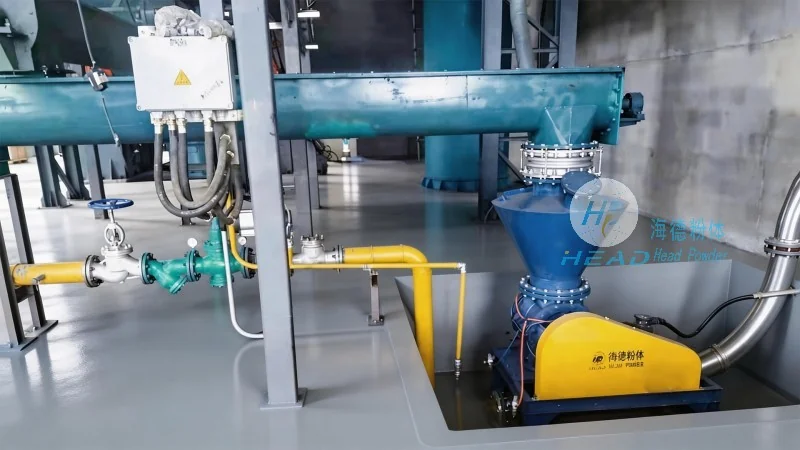
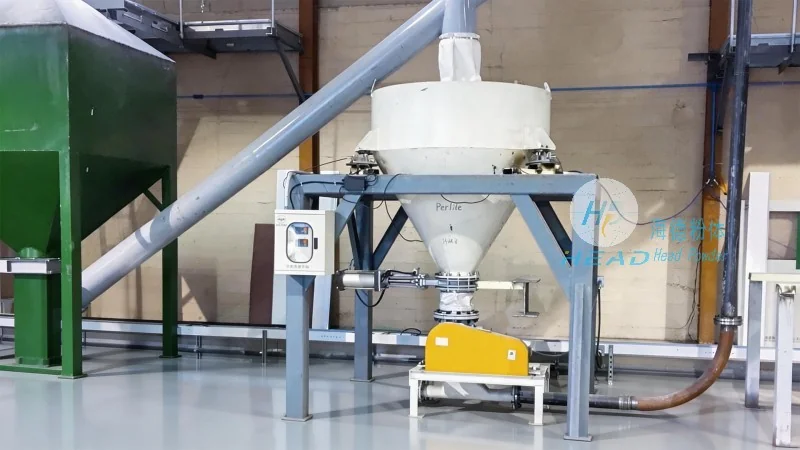
At the core of a chicken essence material pneumatic conveying line are several essential components that work in concert to achieve effective material transport. The hopper or feeder is the initial component, responsible for storing and feeding the chicken essence powder into the system. It is designed to maintain a consistent material level and provide a smooth flow into the conveyor line. The conveyor line itself, typically made of stainless steel or other corrosion-resistant materials, is the main pathway for the material and air mixture. The ductwork is carefully designed with appropriate bends and transitions to minimize pressure loss and prevent material deposition. A pressure vessel or receiver may be included to collect the material at the end of the line, allowing for controlled discharge. Finally, the control system, which may include pressure sensors, flow meters, and valves, monitors and regulates the operation of the system to ensure stable and efficient transport.
Advantages of Using Pneumatic Conveying for Chicken Essence
Implementing a pneumatic conveying line for chicken essence offers numerous advantages over traditional methods like belt conveyors or manual handling. One of the primary benefits is the ability to maintain a closed system, which prevents contamination from external sources and minimizes dust emissions, thereby improving workplace safety and environmental compliance. Additionally, pneumatic conveying systems can handle fine powders with high efficiency, reducing the risk of material loss or degradation during transport. The system also offers flexibility in terms of layout, as the conveyor line can be configured to follow the existing plant layout without the need for extensive ground modifications. Furthermore, the technology allows for easy integration with other processing equipment, such as mixers or packaging machines, creating a seamless production line.
Considerations for Designing an Effective Pneumatic Conveying System
When designing a chicken essence material pneumatic conveying line, several factors must be carefully considered to ensure the system meets the specific needs of the application. The first consideration is the material's properties, as mentioned earlier, which dictate the conveying velocity and pressure required. The system must be able to handle the specific particle size distribution, moisture content, and flowability of chicken essence powder to prevent blockages or inefficient transport. Second, the system's capacity must be matched to the production requirements, ensuring that the conveyor can handle the desired throughput without excessive energy consumption or pressure drop. Third, the system must comply with relevant industry standards and regulations, particularly those related to food safety and hygiene. This may involve using stainless steel components, ensuring proper sealing, and implementing cleaning-in-place (CIP) procedures. Finally, the system's maintenance and operational costs must be considered, as regular maintenance is essential to keep the system running efficiently and reliably.
Conclusion: The Role of Pneumatic Conveying in Modern Food Processing
In conclusion, a chicken essence material pneumatic conveying line is a sophisticated and essential component in modern food processing facilities, particularly for handling fine powders like chicken essence. The design principles and components of such a system are carefully engineered to ensure efficient, hygienic, and safe material transport. By leveraging the power of compressed air or other gases, these systems offer a superior alternative to traditional conveying methods, providing benefits such as reduced contamination, improved efficiency, and enhanced flexibility. As a leading provider of industrial solutions, Shandong HeadPowder Engineering Co., Ltd. specializes in designing and manufacturing customized pneumatic conveying systems that meet the unique requirements of food processing applications, ensuring optimal performance and reliability for our clients.