

What is a Wood Chip Material Pneumatic Conveying Line? What are its Design Principles?
Wood chip material pneumatic conveying lines are specialized industrial systems designed to transport wood chips efficiently and safely. These systems utilize air pressure or vacuum to move wood chips from one location to another, offering a non-contact, low-friction method of material handling that is increasingly popular in the wood processing industry. Understanding the components and design principles of such a line is crucial for optimizing performance, ensuring durability, and meeting operational efficiency standards.
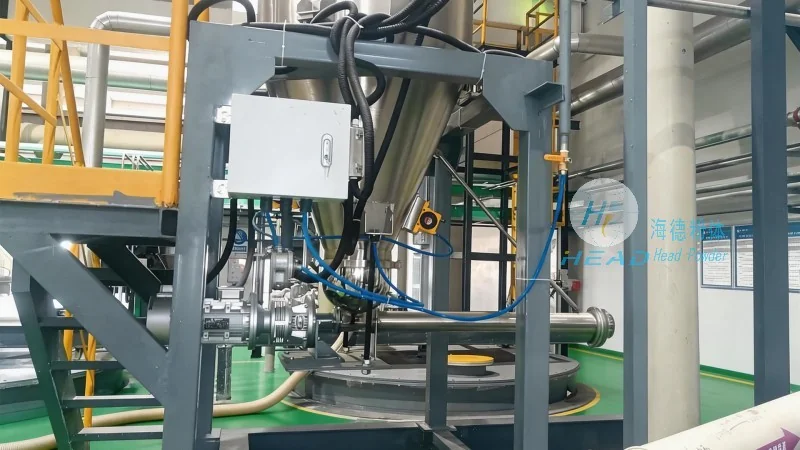
Introduction to Wood Chip Pneumatic Conveying Systems
A wood chip material pneumatic conveying line, often referred to as a pneumatic conveyor, is a mechanical system that transports wood chips through a pipeline using air as the conveying medium. Unlike traditional mechanical conveyors that rely on belts, buckets, or screws, pneumatic systems use the force of air to move the material, making them ideal for handling lightweight, dusty, or abrasive materials like wood chips. The primary goal of these systems is to transport wood chips from a source, such as a chipper or storage bin, to a destination, such as a processing plant or storage silo, with minimal human intervention and maximum efficiency.
Key Components of a Wood Chip Pneumatic Conveying Line
The design of a wood chip pneumatic conveying line involves several critical components, each playing a vital role in the overall system's functionality. The main components include:
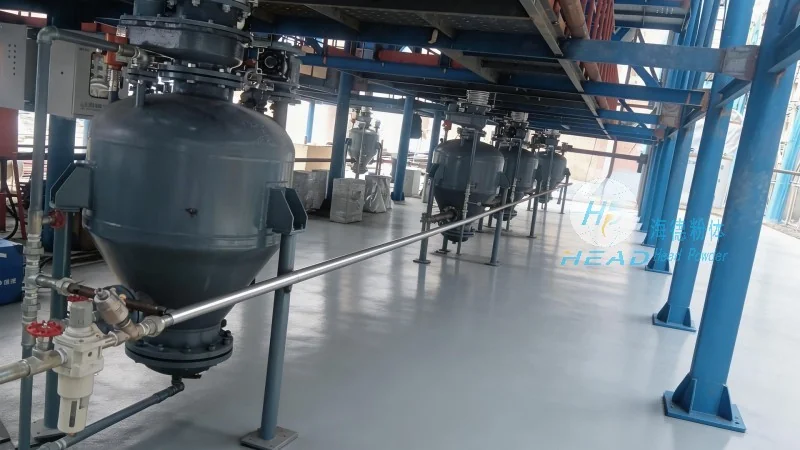
- Source Hopper or Storage Bin: This is where the wood chips are initially stored before being fed into the conveying system. The hopper is typically equipped with a feeder, such as a rotary valve or screw feeder, to control the flow of material into the pipeline.
- Feeder: The feeder is responsible for regulating the flow rate of wood chips into the conveying line. It ensures a consistent and controlled feed, preventing overloading or underloading of the system, which can affect performance and cause blockages.
- Pneumatic Conveying Pipeline: The pipeline is the main channel through which the wood chips are transported. It is usually made of stainless steel or other corrosion-resistant materials to withstand the abrasive nature of wood chips and the effects of moisture or dust. The pipeline can be straight or include bends, but the design must minimize pressure losses and ensure smooth material flow.
- Pressure or Vacuum Generator: This component creates the necessary air pressure or vacuum to move the wood chips through the pipeline. Common types include positive displacement blowers, rotary lobe blowers, or vacuum pumps. The choice of generator depends on the system's capacity, distance, and the type of material being conveyed.
- Control Valves and Regulators: These devices manage the air flow and pressure within the system, allowing for adjustments to maintain optimal performance. They help regulate the conveying rate, prevent backflow, and protect the system from excessive pressure or vacuum.
- Receiver or Discharge Bin: The receiver is where the wood chips are deposited at the end of the conveying line. It is typically equipped with a discharge valve or outlet to allow the material to be released into the next processing stage or storage area.
- Filters and Dust Collectors: As wood chips are conveyed, they generate dust and fine particles. Filters and dust collectors are essential to capture these particles, ensuring clean air is returned to the system and preventing contamination or health hazards.
Design Principles for Efficient Wood Chip Pneumatic Conveying
The design of a wood chip pneumatic conveying line is based on several key principles to ensure optimal performance, reliability, and efficiency. These principles include:
- Material Flow Rate and Velocity: The design must consider the desired flow rate of wood chips and the air velocity required to move them. The air velocity should be sufficient to keep the material suspended and prevent settling or blockages. Typically, the air velocity is maintained between 20-30 meters per second for wood chips, depending on the system's capacity and pipeline diameter.
- Pipeline Sizing and Layout: The diameter and length of the pipeline are critical factors in the design. The pipeline diameter is determined based on the material's bulk density, flow rate, and air velocity. The layout should minimize bends and changes in direction to reduce pressure losses and prevent material accumulation. Each bend or change in direction adds resistance to the system, which can increase energy consumption and reduce conveying efficiency.
- Pressure Drop and Energy Efficiency: The design aims to minimize pressure drop along the pipeline to reduce energy consumption. Pressure drop is caused by friction between the material and the pipeline walls, as well as by bends and fittings. Using smooth, corrosion-resistant materials and minimizing the number of bends can help reduce pressure drop and improve energy efficiency.
- Material Handling and Wear Resistance: Wood chips are abrasive and can cause wear on the pipeline and other components. The design must consider the use of wear-resistant materials, such as stainless steel or lined components, to extend the system's lifespan and reduce maintenance costs. Properly sizing the pipeline and maintaining consistent flow rates also help reduce wear and tear.
- System Integration and Control: The design should integrate seamlessly with other processing equipment, such as chipper plants or storage systems. The control system must be user-friendly and capable of monitoring key parameters, such as pressure, flow rate, and temperature, to ensure the system operates within optimal conditions. Automated controls can help optimize performance and reduce human error.
Applications and Benefits of Wood Chip Pneumatic Conveying Lines
Wood chip material pneumatic conveying lines are widely used in various applications within the wood processing industry. Some common applications include:
- Transporting wood chips from chipper to storage: After a chipper processes raw wood, the wood chips are conveyed to a storage silo or bin for later use in paper mills or biofuel production.
- Conveying wood chips to processing plants: The system can transport wood chips from a storage facility to a processing plant where they are further processed into pulp, pellets, or other wood products.
- Handling wood chips in biomass energy facilities: Pneumatic conveying lines are used to transport wood chips to biomass boilers or gasifiers for energy generation.
- Transferring wood chips between processing stages: In large-scale wood processing operations, multiple pneumatic conveying lines may be used to move wood chips from one processing stage to another, such as from a storage bin to a drying system or from a drying system to a pelletizing machine.
The benefits of using a wood chip pneumatic conveying line include:
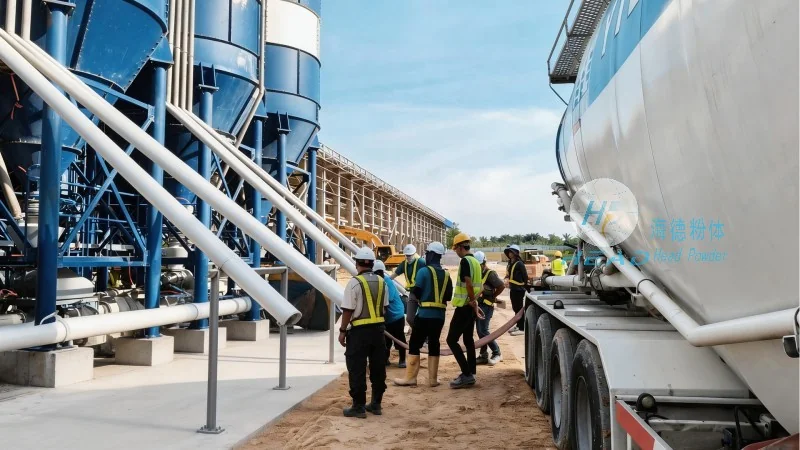
- Efficient Material Handling: Pneumatic systems can transport wood chips over long distances with minimal labor, reducing the need for manual handling and improving operational efficiency.
- Low Maintenance: Compared to traditional mechanical conveyors, pneumatic systems have fewer moving parts, reducing the risk of breakdowns and lowering maintenance costs.
- Reduced Downtime: The non-contact nature of pneumatic conveying minimizes material buildup and blockages, reducing downtime and increasing production uptime.
- Improved Safety: Pneumatic systems eliminate the need for manual handling of wood chips, reducing the risk of accidents and improving workplace safety.
- Energy Efficiency: Modern pneumatic conveying systems are designed to be energy-efficient, using less power than traditional mechanical conveyors while achieving higher conveying rates.
Conclusion and Company Overview
Wood chip material pneumatic conveying lines are essential components of modern wood processing operations, offering efficient, safe, and reliable methods for transporting wood chips. The design of these systems is critical to their performance, with key considerations including material flow rate, pipeline layout, and wear resistance. By adhering to established design principles and using high-quality components, manufacturers can create systems that meet the demands of the wood processing industry while minimizing operational costs and maximizing productivity.
Shandong HeadPowder Engineering Co., Ltd., a leading provider of industrial conveying solutions, specializes in designing and manufacturing wood chip pneumatic conveying lines tailored to the specific needs of wood processing facilities. With years of experience in the industry, HeadPowder combines advanced engineering with quality materials to deliver reliable, efficient, and cost-effective solutions for wood chip transportation. HeadPowder's commitment to customer satisfaction and technical excellence ensures that its systems meet the highest standards of performance and durability, making them a trusted choice for wood processing operations worldwide.