

What is a Magnesia Material Pneumatic Conveying System? And What Are Its Design Principles?
Magnesia is a critical refractory material widely used in various industrial applications, including steelmaking, cement production, and glass manufacturing. Efficient and reliable material handling is essential for optimizing production processes, and pneumatic conveying systems have emerged as a preferred solution for transporting magnesia and other bulk materials. This article delves into the concept of a magnesia material pneumatic conveying system, exploring its design principles and the key factors that influence its performance.
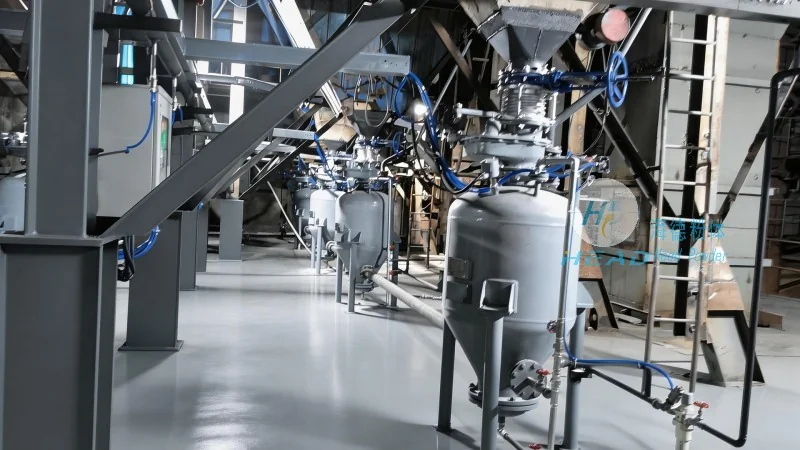
Key Components of a Magnesia Pneumatic Conveying System
A typical magnesia material pneumatic conveying system consists of several interconnected components that work in harmony to transport the material from the source to the destination. The primary components include:
1. **Material Hopper**: This is the storage vessel where the magnesia material is held before being fed into the system. It is designed to accommodate the bulk volume of the material and ensure a consistent flow rate.
2. **Feeder**: The feeder regulates the flow of magnesia from the hopper into the conveying line. It can be a rotary valve, a screw feeder, or a vibratory feeder, depending on the material characteristics and system requirements.
3. **Conveying Pipe**: The pipe network that transports the magnesia material through the system. It is typically made of corrosion-resistant materials such as stainless steel or special alloys to withstand the abrasive nature of magnesia.
4. **Air Supply System**: This includes the blower or compressor that generates the necessary air pressure to move the material through the pipe. The air supply system must be capable of delivering sufficient airflow and pressure to ensure efficient conveying.
5. **Dust Collector**: To control dust emissions and maintain a clean working environment, a dust collector is often integrated into the system. It captures the fine particles of magnesia that are released during the conveying process.
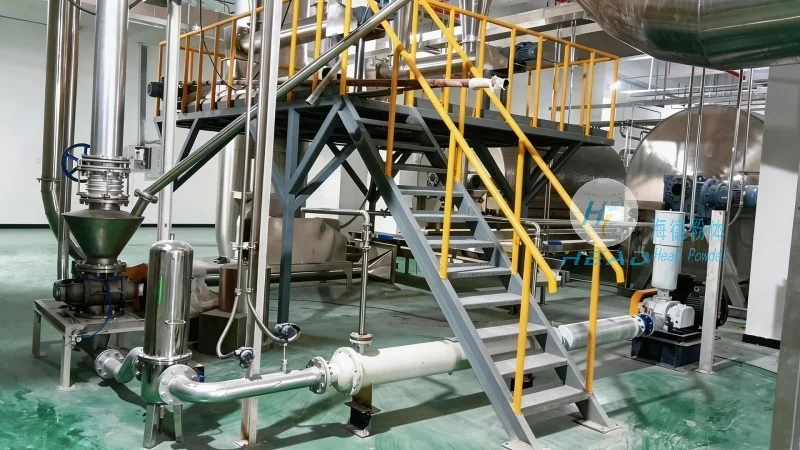
6. **Receiver**: The final storage vessel where the conveyed magnesia is deposited. It is designed to handle the incoming material and prevent spillage or blockages.
Design Principles for Magnesia Material Pneumatic Conveying
The design of a magnesia material pneumatic conveying system involves several critical principles to ensure optimal performance, efficiency, and safety. These principles are tailored to the unique properties of magnesia, such as its density, particle size distribution, and flow characteristics.
**1. Material Characteristics Analysis**: Before designing the system, it is essential to analyze the physical and chemical properties of the magnesia material. This includes determining the particle size, density, moisture content, and abrasiveness. These characteristics directly impact the choice of equipment, such as the feeder type and pipe diameter.
**2. System Sizing and Flow Rate Calculation**: The system must be sized to handle the required material flow rate while maintaining the desired conveying velocity. The flow rate is calculated based on the production capacity and the distance between the source and destination. The conveying velocity is typically maintained at a level that prevents material deposition and ensures smooth transport.
**3. Pressure and Airflow Considerations**: The air supply system must generate sufficient pressure to overcome the resistance in the pipe and lift the magnesia material. The airflow rate is determined by the material's density and the required conveying velocity. Proper sizing of the blower or compressor is crucial to avoid under- or over-pressurization, which can lead to system inefficiencies or damage.
**4. Pipe Sizing and Layout**: The diameter of the conveying pipe is a critical design parameter. It is determined based on the material flow rate and the conveying velocity. The pipe layout should be designed to minimize bends and changes in direction, as these can cause pressure losses and material degradation. Elbows, tees, and other fittings are carefully selected to maintain the system's efficiency.
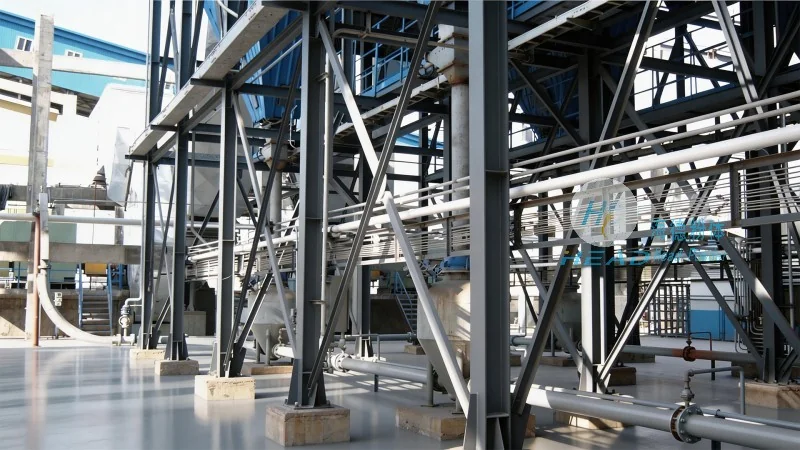
**5. Material Handling and Safety**: The design must consider the safe handling of magnesia, which can be hazardous if not managed properly. This includes implementing dust control measures, ensuring proper ventilation, and using equipment that minimizes the risk of material blockages or explosions.
**6. Maintenance and Operational Considerations**: The system's design should facilitate easy maintenance and monitoring. This includes incorporating access points for cleaning and inspection, as well as sensors to monitor pressure, flow, and temperature. Regular maintenance is essential to ensure the system's long-term reliability and performance.
HeadPowder's Expertise in Magnesia Pneumatic Conveying Systems
Shandong HeadPowder Engineering Co., Ltd., commonly known as HeadPowder, is a leading manufacturer and supplier of industrial material handling systems, including magnesia material pneumatic conveying solutions. With years of experience in the refractory industry, HeadPowder has developed a deep understanding of the unique challenges associated with handling magnesia and other bulk materials.
HeadPowder's team of engineers and technicians works closely with clients to design customized pneumatic conveying systems that meet their specific production requirements. The company utilizes advanced design software and simulation tools to optimize system performance, ensuring that the final solution is efficient, reliable, and cost-effective.
HeadPowder's magnesia material pneumatic conveying systems are built with high-quality materials and components, ensuring durability and long service life. The company adheres to strict quality control standards and provides comprehensive after-sales support, including installation, commissioning, and maintenance services.
HeadPowder's headquarters is located in Shandong, China, where the company operates a state-of-the-art manufacturing facility and a technical research center. The company's commitment to innovation and customer satisfaction has made it a trusted partner for industries worldwide, providing reliable and efficient material handling solutions for magnesia and other bulk materials.