

What is an Iron Powder Material Pneumatic Conveying System? And What Are Its Design Principles?
Iron powder is a critical material in numerous industrial applications, and efficient handling of this material is essential for maintaining production efficiency and product quality. A pneumatic conveying system serves as a common method for transporting iron powder from one location to another within a facility. This article will explore what an iron powder material pneumatic conveying system entails and delve into its fundamental design principles.
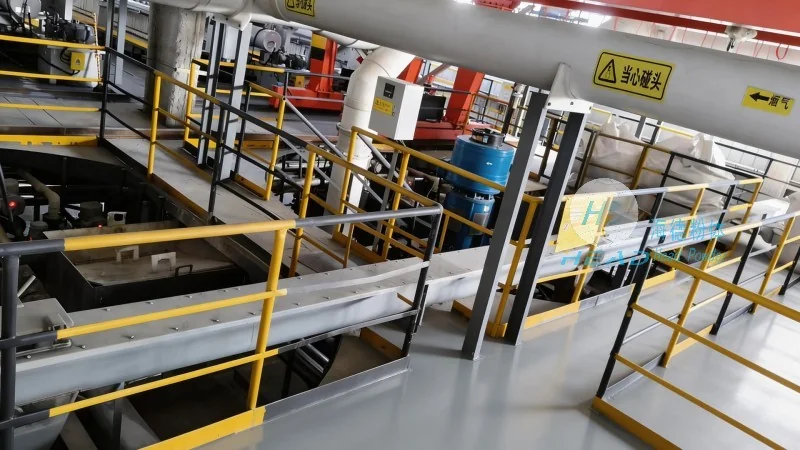
Understanding Iron Powder Material Pneumatic Conveying Systems
An iron powder material pneumatic conveying system utilizes compressed air or other gas to transport iron powder particles through a pipeline. This system eliminates the need for mechanical components like conveyor belts or buckets, which can be prone to wear and tear and may introduce contaminants into the material. The system typically comprises a hopper for material storage, a blower or compressor to generate airflow, a pipeline network to guide the material, and a receiver or discharge point where the material is deposited. The entire process is controlled by a system of valves, filters, and sensors to ensure smooth and reliable operation.
Key Design Principles of Pneumatic Conveying Systems for Iron Powder
The design of an iron powder pneumatic conveying system involves several critical principles to ensure optimal performance. First, the system must be tailored to handle the specific properties of iron powder, such as its particle size, density, and flow characteristics. Iron powder particles can vary in size, from fine powders to larger granules, and the system must be configured to accommodate these variations without causing blockages or excessive pressure drops. Second, the system must maintain a consistent airflow rate to prevent material segregation or uneven distribution. This is achieved through the use of appropriate blower capacity, pipeline diameter, and pressure control mechanisms. Third, the system must incorporate effective filtration and cleaning systems to prevent dust accumulation and maintain air quality. Iron powder can be abrasive, and the system components must be made of materials that can withstand wear and corrosion, such as stainless steel or specialized coatings.
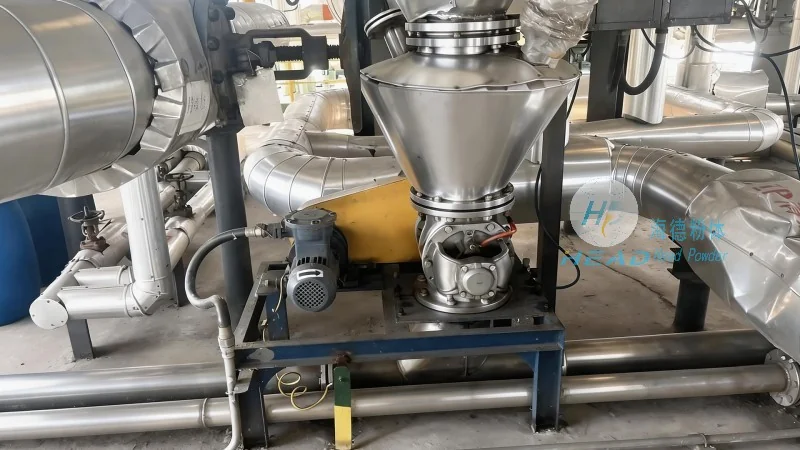
Components and Their Functions in an Iron Powder Pneumatic Conveying System
The efficiency of an iron powder pneumatic conveying system depends on the proper integration of its components. The material hopper is the initial storage unit, where iron powder is loaded before being conveyed. The hopper is designed with a smooth interior to prevent material buildup and is equipped with a discharge valve that can be controlled to regulate the flow rate. The blower or compressor is the heart of the system, providing the necessary pressure and airflow to move the material through the pipeline. It is typically sized based on the system's required capacity and the material's specific characteristics. The pipeline network is constructed from durable materials, such as stainless steel or PVC, to resist corrosion and wear. The pipeline is usually laid out in a straight or slightly inclined path to minimize pressure losses and ensure smooth material flow. The receiver or discharge point is where the iron powder is deposited at its destination. It is designed to prevent material spillage and is often equipped with a dust collection system to capture any airborne particles.
Advantages of Using Pneumatic Conveying for Iron Powder Handling
Implementing a pneumatic conveying system for iron powder offers several advantages over traditional mechanical methods. First, it provides a clean and dust-free environment, which is essential for maintaining product purity and meeting regulatory standards. The system is enclosed, preventing dust from escaping into the workplace and reducing the risk of respiratory issues for operators. Second, it offers high efficiency and flexibility in material transport. The system can be easily reconfigured to transport iron powder to multiple destinations or to adjust the flow rate as production needs change. Third, it reduces labor costs and maintenance expenses. With fewer mechanical parts, the system requires less frequent maintenance and has lower operational costs compared to conveyor belts or other mechanical systems. Additionally, the system can be integrated with other production processes, such as mixing or packaging, to streamline the overall workflow.
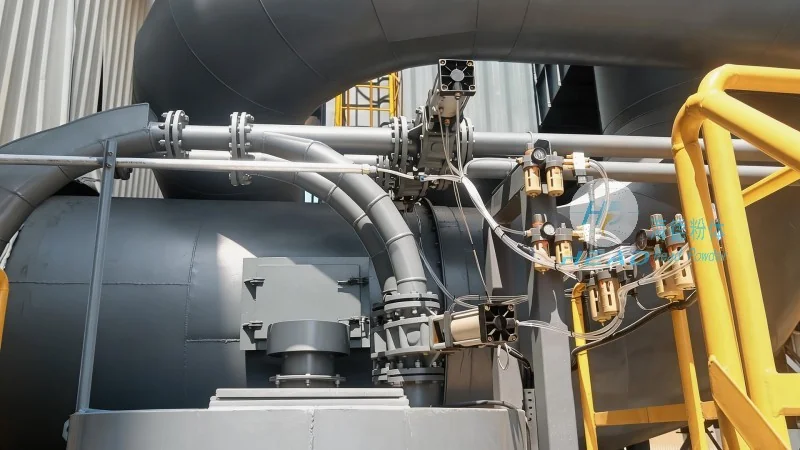
Considerations for Designing an Effective Iron Powder Pneumatic Conveying System
When designing an iron powder pneumatic conveying system, several factors must be considered to ensure its effectiveness and longevity. First, the system must be designed to handle the specific properties of iron powder, including its particle size distribution, moisture content, and flowability. These characteristics will influence the system's capacity and the required airflow rate. Second, the system must be constructed from materials that are resistant to corrosion and wear from the iron powder. Stainless steel is a common choice due to its durability and resistance to chemical reactions with the material. Third, the system must incorporate effective filtration and cleaning mechanisms to prevent dust accumulation and maintain air quality. Regular maintenance of the filters and cleaning of the system components is essential to ensure long-term performance. Fourth, the system must be equipped with safety features, such as pressure relief valves and emergency shut-off mechanisms, to prevent accidents and ensure operator safety.
Conclusion
An iron powder material pneumatic conveying system is a sophisticated and efficient method for transporting iron powder in industrial settings. By understanding its design principles and components, manufacturers can optimize their material handling processes, improve product quality, and reduce operational costs. The system's ability to provide a clean, flexible, and low-maintenance solution makes it an attractive option for industries that rely on iron powder in their production processes. As technology advances, further improvements in pneumatic conveying systems are expected, leading to even more efficient and reliable material handling solutions.