

What is a Rapid Material Loading Pneumatic Conveying System? What Are Its Design Principles?
Rapid material loading pneumatic conveying systems represent a sophisticated and efficient method for transporting bulk materials from one location to another within industrial settings. These systems utilize air or other gases as the primary medium to move powders, granules, and other particulate materials, offering advantages such as reduced labor costs, enhanced safety, and the ability to handle materials in a dust-free environment. As a key component in modern material handling, understanding the functionality and design principles of these systems is crucial for optimizing industrial processes.
Introduction to Rapid Material Loading Pneumatic Conveying Systems
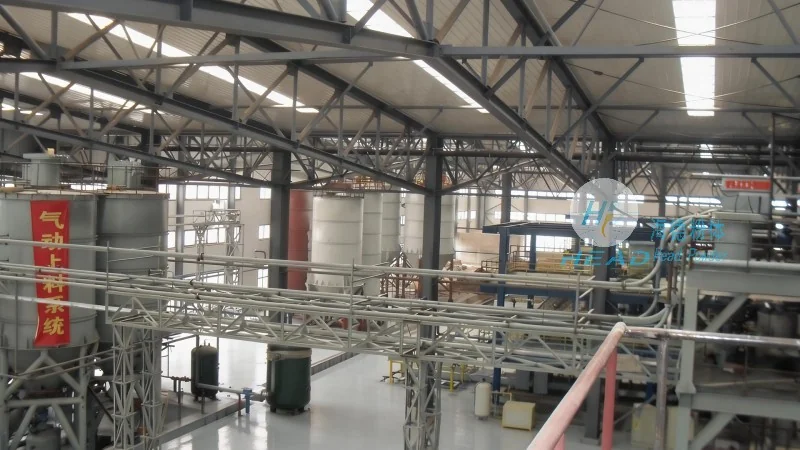
A rapid material loading pneumatic conveying system is a type of pneumatic transport equipment designed to quickly and efficiently transfer bulk materials from a source, such as a hopper or silo, to a destination, like a processing unit or storage area. The core of this system lies in its ability to accelerate material movement through the use of pressurized or vacuum air, enabling high throughput rates and minimizing downtime. This technology is widely adopted across various industries, including pharmaceuticals, food processing, chemical manufacturing, and mining, due to its adaptability and effectiveness in handling diverse material characteristics.
Key Components of a Rapid Material Loading Pneumatic Conveying System
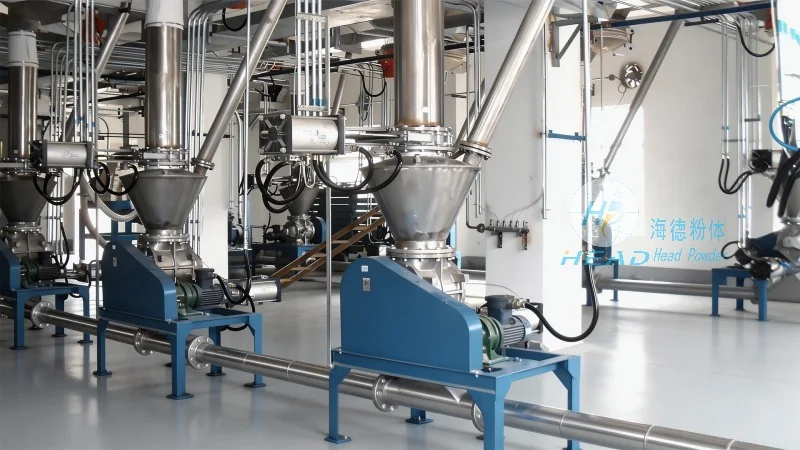
The design of a rapid material loading pneumatic conveying system involves several critical components that work in concert to ensure reliable operation. These components typically include a material feed hopper, a conveying line (often equipped with bends and straight sections), a pressure or vacuum source (such as a blower or vacuum pump), a control system for regulating air flow and material discharge, and a receiver or discharge hopper at the destination. Each component plays a vital role in the overall performance and efficiency of the system. For instance, the feed hopper ensures a consistent material supply, while the conveying line's design (including pipe diameter, length, and bend radius) directly impacts the system's capacity and energy consumption. The pressure or vacuum source provides the necessary force to move the material, and the control system allows for precise adjustment of air flow to match varying material loads and process requirements.
Design Principles for Optimal Performance
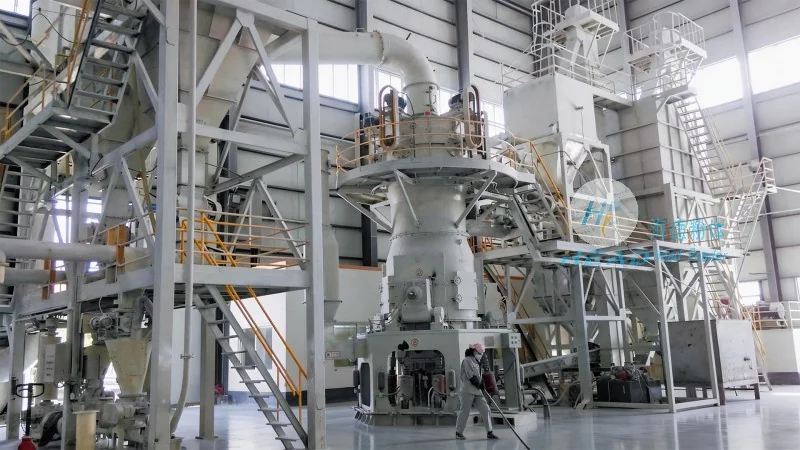
The design principles of a rapid material loading pneumatic conveying system are centered on maximizing efficiency, minimizing energy consumption, and ensuring reliable material transport. Several key factors are considered during the design process, including the material's physical properties (such as particle size, density, and moisture content), the required conveying distance and capacity, and the system's integration with existing industrial infrastructure. Engineers must carefully select the appropriate conveying method—either pressure or vacuum—based on the material's characteristics and the system's layout. Pressure systems, which use positive pressure to push material through the line, are generally more suitable for short to medium distances and materials with low dustiness, while vacuum systems, which use negative pressure to pull material, are ideal for longer distances and materials that are prone to generating dust. The choice of pipe material (e.g., stainless steel, plastic, or metal) is also critical, as it must withstand the material's corrosive or abrasive properties and the system's operating pressures. Additionally, the system's design must account for factors like air velocity, which affects the material's suspension and transport, and the system's pressure drop, which determines the energy required to operate the conveying line.
Application of Rapid Material Loading Pneumatic Conveying Systems
Rapid material loading pneumatic conveying systems are widely applied in industries where bulk material handling is essential. In the pharmaceutical industry, for example, these systems are used to transport raw materials and finished products with high precision and minimal contamination, ensuring compliance with stringent regulatory standards. In food processing, they facilitate the transfer of ingredients and products while maintaining hygiene and preventing cross-contamination. In chemical manufacturing, the systems handle various powders and granules, often under controlled conditions to avoid reactions or dust explosions. The versatility of these systems allows them to adapt to different material types and process requirements, making them a preferred choice for many industrial applications.
Company Information: Shandong HeadPowder Engineering Co., Ltd.
Shandong HeadPowder Engineering Co., Ltd., commonly known as HeadPowder, is a leading manufacturer and supplier of advanced material handling solutions, including rapid material loading pneumatic conveying systems. With a strong focus on innovation and quality, HeadPowder has established itself as a trusted partner in the industry, providing customized solutions tailored to the unique needs of its clients. The company's headquarters is located in Shandong, China, where it leverages its expertise and state-of-the-art facilities to develop and produce high-performance pneumatic conveying systems. HeadPowder's commitment to customer satisfaction and technological advancement has enabled it to serve a diverse range of industries, delivering reliable and efficient material handling solutions that enhance operational efficiency and productivity.