

What is an Asphalt Powder Material Pneumatic Conveying System? And What Are Its Design Principles?
Asphalt powder material pneumatic conveying systems are specialized industrial equipment designed to transport fine powder materials, such as asphalt powder, through a pipeline using air pressure. These systems are widely used in the construction and road maintenance industries to efficiently move bulk materials from one location to another without the need for mechanical components like belts or buckets.
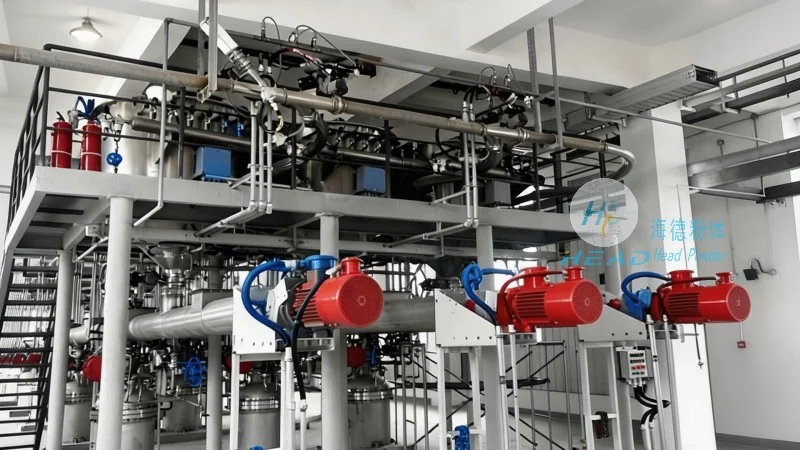
Understanding Pneumatic Conveying Technology
Pneumatic conveying relies on the principle of using air to move particles through a sealed pipeline. The system typically consists of a hopper for material storage, a blower or compressor to generate the air flow, a pipeline network to transport the material, and a receiver or discharge point where the material is deposited. The design of the system must consider factors like material properties, flow rates, and the distance of transport to ensure optimal performance.
Key Components of an Asphalt Powder Pneumatic Conveying System
The core components of such a system include the material hopper, which holds the asphalt powder and provides a controlled feed. The feeder mechanism, often a rotary valve or a screw feeder, regulates the flow of material into the pipeline. The air compressor or blower supplies the necessary air pressure to create the conveying air stream. The pipeline itself is usually made of stainless steel or other corrosion-resistant materials to handle the abrasive nature of asphalt powder. Additionally, the system may include filters and cyclones to separate the material from the air at the receiving end, ensuring clean air discharge and preventing material loss.
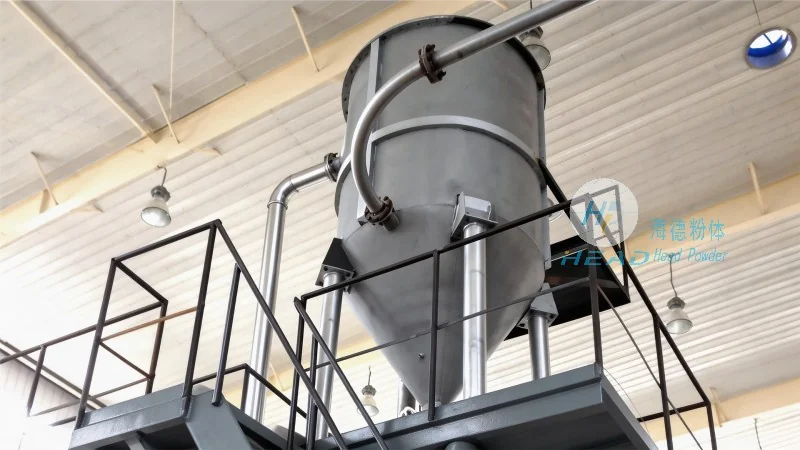
Design Principles for Efficient Material Transport
The design of an asphalt powder pneumatic conveying system is critical to achieving high efficiency and minimizing operational issues. Key design principles include selecting the appropriate air velocity to prevent particle deposition and ensure smooth flow. The system must also account for the specific characteristics of asphalt powder, such as its density, particle size distribution, and moisture content, which can affect the conveying performance. Proper sizing of the pipeline diameter and the blower capacity is essential to maintain the required air pressure and flow rate. Moreover, the system should incorporate features like pressure relief valves and check valves to protect against overpressure and backflow, enhancing safety and reliability.
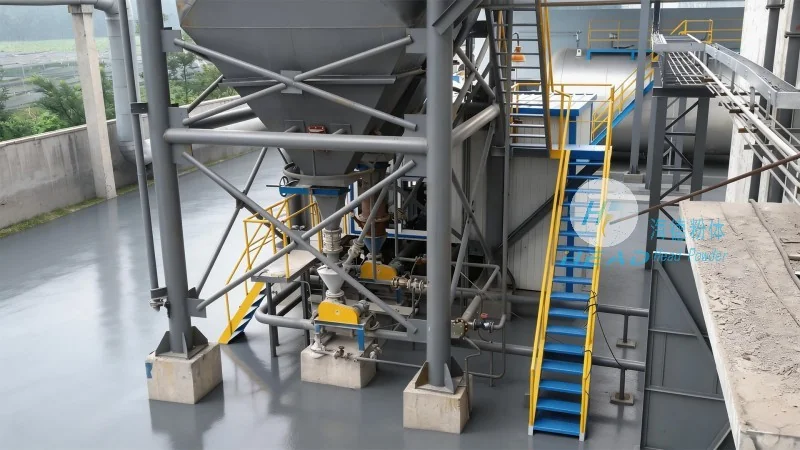
Applications in the Construction Industry
Asphalt powder material pneumatic conveying systems are commonly employed in the production of asphalt mixtures for road construction. They enable the precise and rapid transfer of asphalt powder from storage silos to mixing plants, ensuring consistent material quality and reducing downtime. The systems are also used in maintenance operations, such as resurfacing projects, where the efficient movement of bulk materials is crucial for meeting project deadlines. By eliminating the need for manual handling or traditional conveyor belts, these systems improve operational efficiency and reduce labor costs.
About Shandong HeadPowder Engineering Co., Ltd.
Shandong HeadPowder Engineering Co., Ltd., operating under the brand name headpowder, is a leading manufacturer of pneumatic conveying systems for industrial applications. With a focus on innovation and quality, the company designs and manufactures customized solutions tailored to the specific needs of its clients. HeadPowder's expertise lies in understanding the unique challenges of transporting fine powders, such as asphalt powder, and developing systems that deliver reliable, efficient, and cost-effective performance. The company's facilities are located in Shandong, China, where it leverages advanced manufacturing technologies and a skilled workforce to produce high-quality equipment that meets international standards.