

What is a Lithium Carbonate Material Pneumatic Conveying Line? And What Are Its Design Principles?
For industrial applications involving the handling of lithium carbonate, an efficient and reliable material conveying system is crucial. A pneumatic conveying line specifically designed for lithium carbonate material is a specialized piece of equipment used by companies like Shandong HeadPowder Engineering Co., Ltd. to facilitate the transport of this valuable chemical compound from one location to another within a processing facility. This system is particularly important in the lithium extraction and processing industry, where the safe and effective movement of lithium carbonate is essential for maintaining production efficiency and product quality.
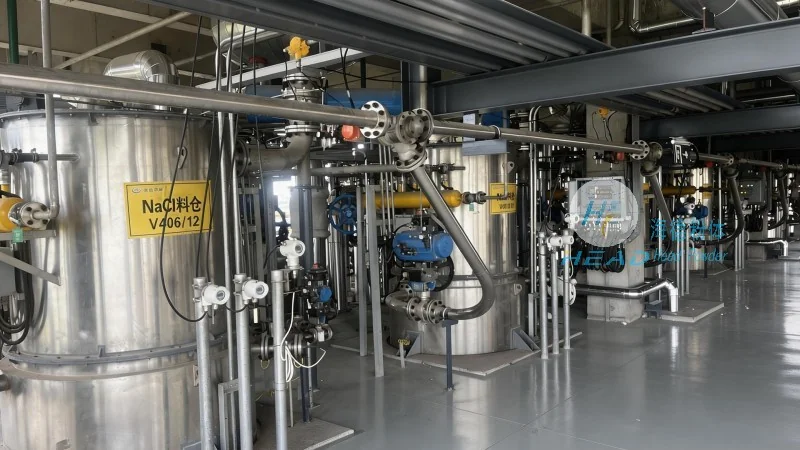
Understanding Lithium Carbonate Material Pneumatic Conveying Lines
Lithium carbonate, a key intermediate in lithium production, is often handled in bulk quantities during various stages of processing, such as mining, refining, and packaging. Traditional methods of material transport, like belt conveyors or bucket elevators, may not be suitable for lithium carbonate due to its fine particle size, hygroscopic nature, or the need for dust-free handling. Pneumatic conveying lines offer a solution by using air to transport the material through a pipeline system, minimizing contamination and ensuring a controlled environment for the material.
The Core Components of a Lithium Carbonate Pneumatic Conveying System
A typical lithium carbonate material pneumatic conveying line consists of several key components that work together to ensure efficient material transport. These components include a material feed hopper, a rotary valve or feeder to control the flow of material into the system, a conveying pipeline, a dust collector or filter to capture any airborne particles, and a discharge hopper or silo at the receiving end. The system may also include a blower or compressor to generate the necessary air pressure for conveying the material.
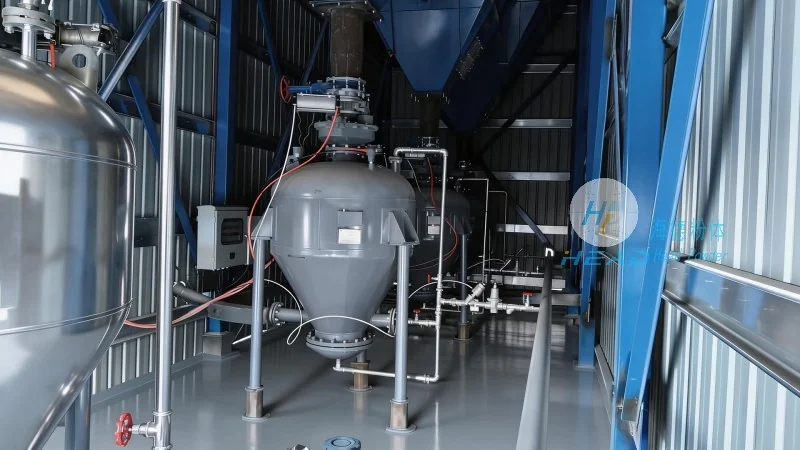
Design Principles for Lithium Carbonate Pneumatic Conveying Lines
The design of a lithium carbonate material pneumatic conveying line is based on several critical principles to ensure optimal performance and safety. One of the primary design considerations is the particle size and flow characteristics of lithium carbonate. The system must be designed to handle the specific particle size distribution of the material, as larger particles may require higher air velocities to be conveyed effectively. Additionally, the hygroscopic nature of lithium carbonate means that the system must be designed to minimize exposure to moisture, which can affect the material's properties and cause caking or blockages.
Another important design principle is the air velocity and pressure requirements. The conveying air velocity must be sufficient to overcome the frictional forces and gravitational effects on the material particles, ensuring that they remain suspended in the air stream. The system's pressure and flow rate are carefully calculated based on the material's properties, pipeline length, and number of bends or fittings. Proper design also includes considerations for material compatibility, as the conveying components must be resistant to the chemical properties of lithium carbonate to prevent corrosion or degradation.
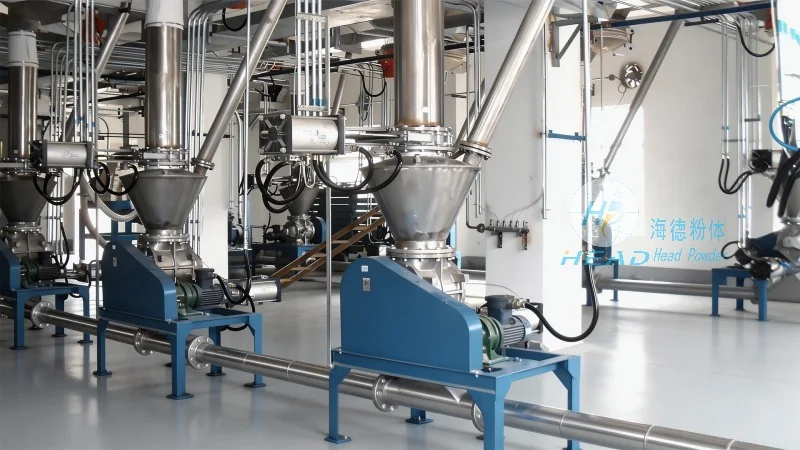
Advantages of Using a Lithium Carbonate Pneumatic Conveying Line
Implementing a pneumatic conveying line for lithium carbonate material offers several advantages over traditional transport methods. One of the main benefits is the ability to handle fine, dusty materials without generating significant dust emissions, which is crucial for maintaining a clean and safe working environment. The system also provides a closed-loop operation, reducing the risk of material contamination from external sources and minimizing product loss. Furthermore, pneumatic conveying systems can be designed to handle long distances and multiple transfer points, making them suitable for complex processing layouts.
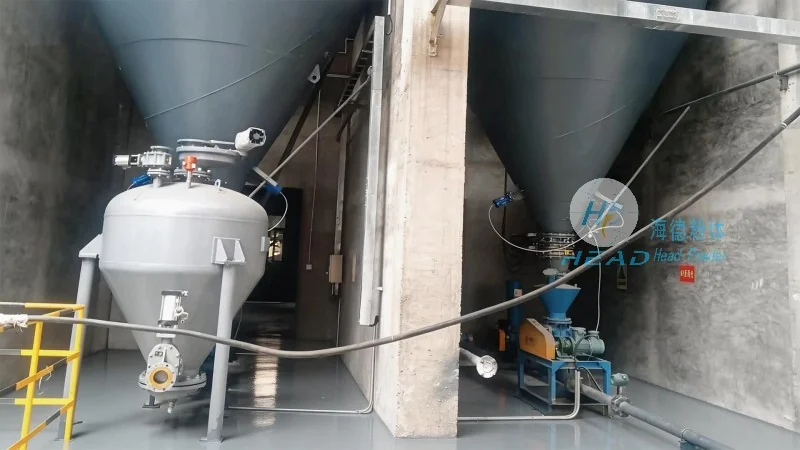
Application Examples in Lithium Processing
Lithium carbonate material pneumatic conveying lines are commonly used in various stages of lithium processing. For example, in the mining and refining stage, the system can transport raw lithium ore or intermediate products to processing units. In the refining stage, it may be used to move lithium carbonate from reactors to storage tanks or packaging lines. The system's ability to handle bulk quantities efficiently and maintain product integrity makes it an essential component in modern lithium production facilities.
Conclusion
A lithium carbonate material pneumatic conveying line is a sophisticated system designed to efficiently and safely transport this critical chemical compound in industrial applications. The design principles, which consider material properties, air dynamics, and operational requirements, ensure that the system operates reliably and maintains product quality. By understanding the core components and design considerations, industries can leverage this technology to enhance their processing capabilities and meet the growing demand for lithium products.