

What is a small gravel material pneumatic conveying line? And what are its design principles?
A small gravel material pneumatic conveying line is a specialized system engineered to transport small gravel or similar granular materials through an enclosed pipeline using air as the primary conveying medium. This type of system is widely utilized in industries such as construction, mining, and manufacturing, where the efficient and dust-free movement of bulk materials is essential. The system typically comprises several key components, including a hopper for material storage, a blower or compressor to generate the necessary air flow, a pipeline network to carry the material, and a receiver or discharge point for the material's delivery. The entire setup is meticulously designed to accommodate the specific physical properties of small gravel, such as particle size, density, and flowability, ensuring reliable and consistent material transport.
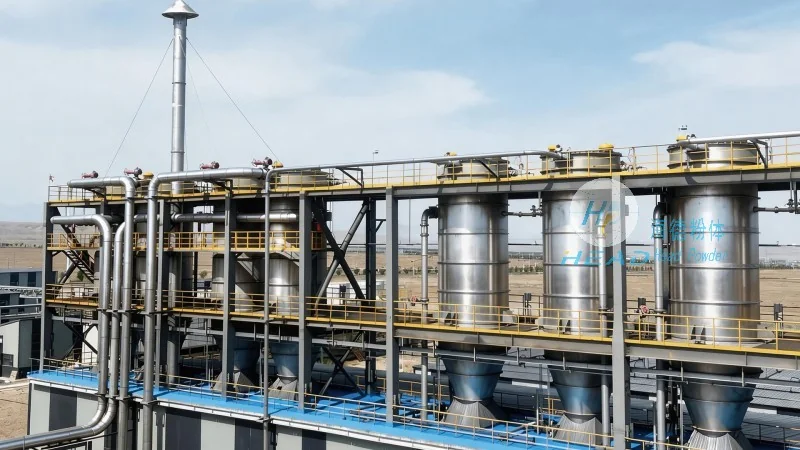
Design Principles of Small Gravel Material Pneumatic Conveying Lines
The design of a small gravel material pneumatic conveying line is guided by several fundamental principles that prioritize efficiency, reliability, and material compatibility. First, the system must account for the material's physical characteristics, including particle size distribution, density, and moisture content. These factors determine the optimal air velocity and pressure required to move the material through the pipeline without causing blockages or excessive wear on components. Second, the system's layout and component selection are optimized to minimize energy consumption while maintaining the required conveying capacity. This involves choosing the appropriate type of blower—whether a positive displacement or centrifugal model—and selecting the right pipeline diameter and length based on the material's flow rate and the distance to be covered. Third, the design incorporates features to handle variations in material flow, such as surge hoppers or rotary valves, which help maintain a consistent air flow and prevent material buildup in the pipeline. Additionally, the system is engineered with safety and maintenance in mind, including pressure relief valves and easy access points for inspection and cleaning, ensuring long-term operational reliability.
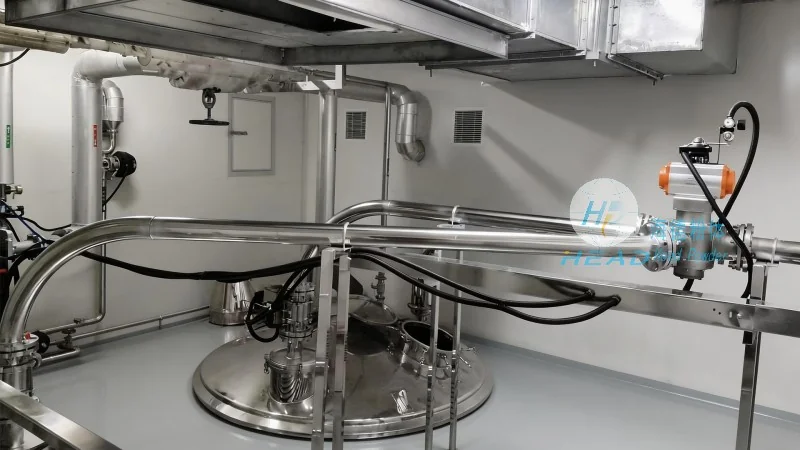
Key Components and Their Functions
Several critical components form the backbone of a small gravel material pneumatic conveying line. The hopper or feeder is the initial component, responsible for storing and feeding the small gravel into the system. It is designed to maintain a consistent material flow and prevent air leakage, which could otherwise reduce the system's efficiency. The blower or compressor is the heart of the system, generating the necessary air pressure and flow to move the material. The choice between a positive displacement blower (which provides a constant volume of air) and a centrifugal compressor (which offers variable flow rates) depends on the specific application and material characteristics. The pipeline network connects the hopper to the discharge point and is typically constructed from stainless steel or other corrosion-resistant materials to withstand the abrasive nature of small gravel. The receiver or discharge hopper collects the material at the end of the line and can be equipped with a rotary valve or other discharge mechanism to control the material flow, ensuring a smooth and controlled delivery. Finally, the control system manages the operation of the blower, feeder, and other components, using sensors and automation to maintain optimal performance and prevent operational issues.
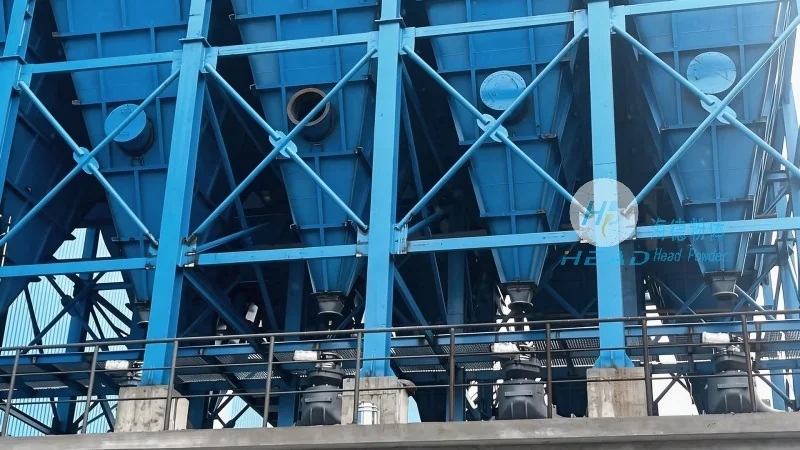
Advantages of Using a Small Gravel Material Pneumatic Conveying Line
There are several significant advantages to utilizing a small gravel material pneumatic conveying line for material transport. One of the primary benefits is the ability to transport materials over long distances without the need for intermediate transfer points or manual handling. This reduces the risk of material spillage, contamination, and labor costs associated with traditional bulk transport methods. Another advantage is the dust-free operation, as the material is enclosed within the pipeline, preventing dust from being released into the environment. This is particularly important in industries such as food processing, pharmaceuticals, or construction, where dust control is critical for product quality and worker safety. Additionally, the system can handle a wide range of material types and sizes, making it versatile for various applications—from small-scale construction projects to large industrial operations. The compact design of the system also saves valuable floor space, which is beneficial in facilities with limited room for equipment. Finally, the system is relatively easy to install and maintain, with most components being accessible for routine checks, repairs, or upgrades, reducing downtime and operational costs.
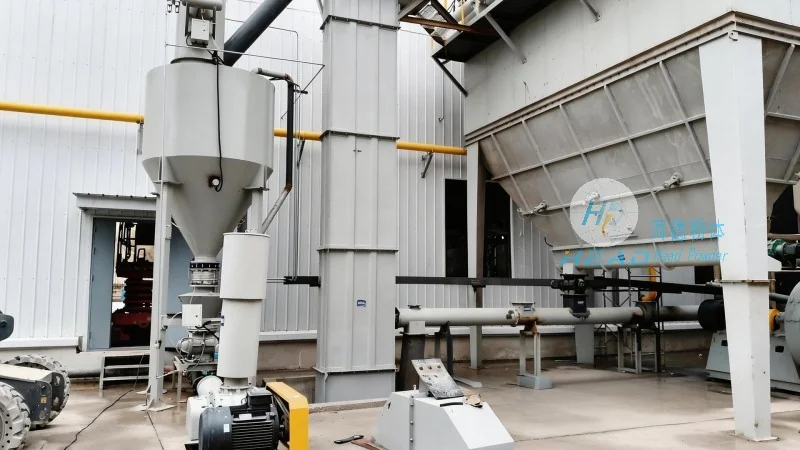
Applications and Industries
Small gravel material pneumatic conveying lines are widely applied across various industries and applications. In the construction industry, they are commonly used to transport gravel and sand from storage areas to construction sites, ensuring a steady supply of materials for concrete production, road construction, or other building projects. In the mining industry, they are utilized to transport crushed ore or other granular materials from processing plants to storage or shipping facilities, facilitating efficient material handling and reducing the need for manual labor. The system is also employed in the chemical industry to transport raw materials or finished products, such as fertilizers, chemicals, or minerals, from one process to another. Additionally, it is used in the food industry to transport grains, seeds, or other food products, where hygiene and dust control are paramount to meet regulatory standards. The versatility of the system makes it suitable for a wide range of applications, from small-scale operations to large-scale industrial facilities, and it continues to be a preferred choice for efficient bulk material transport.