

What is a Wood Fiber Material Pneumatic Conveying System? And What Are Its Design Principles?
Wood fiber material pneumatic conveying systems are specialized equipment used to transport wood fiber materials through a pipeline using air or gas as the conveying medium. This technology is widely adopted in industries such as pulp and paper, wood processing, and biomass energy production, where efficient and dust-free material handling is crucial. The system effectively moves wood fibers from storage areas to processing units, ensuring smooth workflow and maintaining product quality.
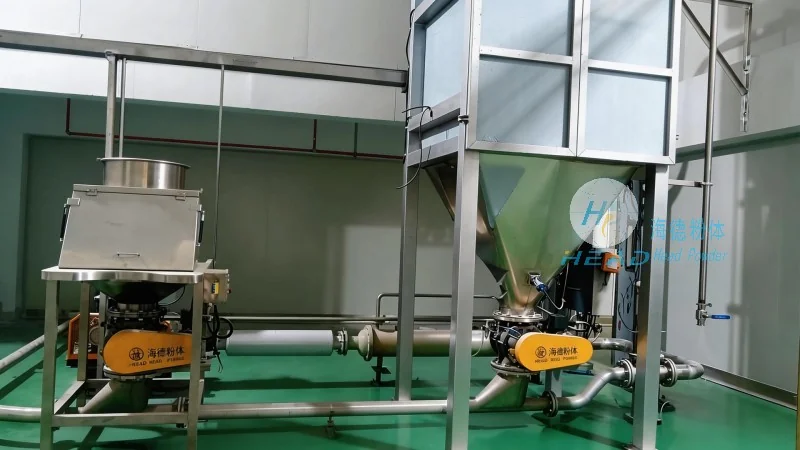
The Core Function and Application of Pneumatic Conveying for Wood Fiber Materials
The primary function of a wood fiber material pneumatic conveying system is to transport bulk wood fiber materials over short to medium distances with minimal human intervention. These systems are designed to handle various types of wood fibers, including sawdust, wood chips, and pulp, with different moisture contents and particle sizes. The application of pneumatic conveying in wood fiber processing helps in reducing labor costs, improving safety by eliminating manual handling of dusty materials, and enhancing the overall efficiency of the production line.
Design Principles Behind the Pneumatic Conveying System
The design of a wood fiber material pneumatic conveying system is based on several fundamental principles to ensure optimal performance. The system typically consists of a material feed hopper, a blower or air compressor, a pipeline network, and a discharge unit. The key design principles include:
1. **Air Velocity and Pressure**: The system operates by creating a high-velocity air flow within the pipeline, which lifts and transports the wood fibers. The air velocity must be sufficient to overcome the gravitational force and frictional resistance of the material particles. The pressure in the system is carefully controlled to maintain the desired flow rate and prevent material deposition or blockage.
2. **Material Feed Mechanism**: The feed hopper is designed to introduce the wood fibers into the pipeline at a controlled rate. This mechanism ensures a consistent flow of material, preventing overloading or underloading of the system. The hopper may include features like a rotary valve or a screw feeder to regulate the material feed.
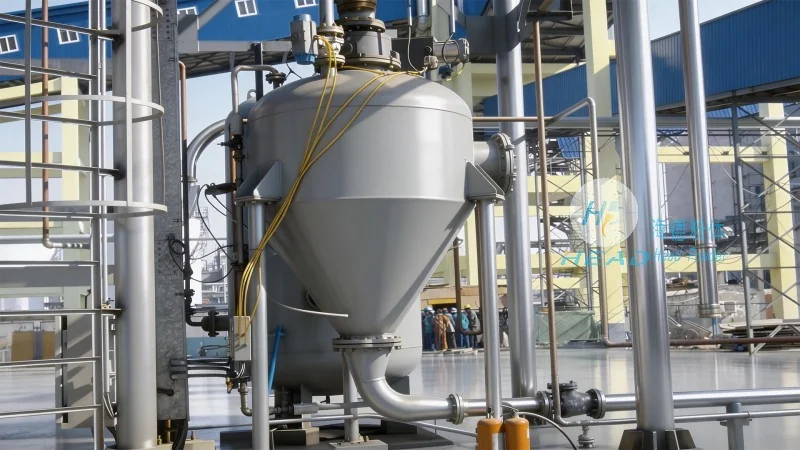
3. **Pipeline Design**: The pipeline network is constructed from materials that are resistant to corrosion and wear, such as stainless steel or high-density polyethylene. The diameter and length of the pipeline are optimized to minimize energy consumption and pressure drop. The system may include bends, elbows, and expansion joints to accommodate changes in direction and reduce friction losses.
4. **Separation and Collection**: At the discharge end, the system includes a separator or cyclone to separate the wood fibers from the air stream. The separated material is collected in a hopper or storage bin, while the air is filtered and discharged back into the environment or recirculated for energy efficiency.
Key Components and Their Roles in the System
Several critical components work together to ensure the smooth operation of a wood fiber material pneumatic conveying system:
- **Blower or Air Compressor**: This is the heart of the system, providing the necessary air pressure and volume to move the wood fibers. The choice of blower depends on the material characteristics, conveying distance, and required flow rate. Centrifugal blowers are commonly used for short to medium distances, while positive displacement blowers are suitable for longer distances or higher pressure requirements.
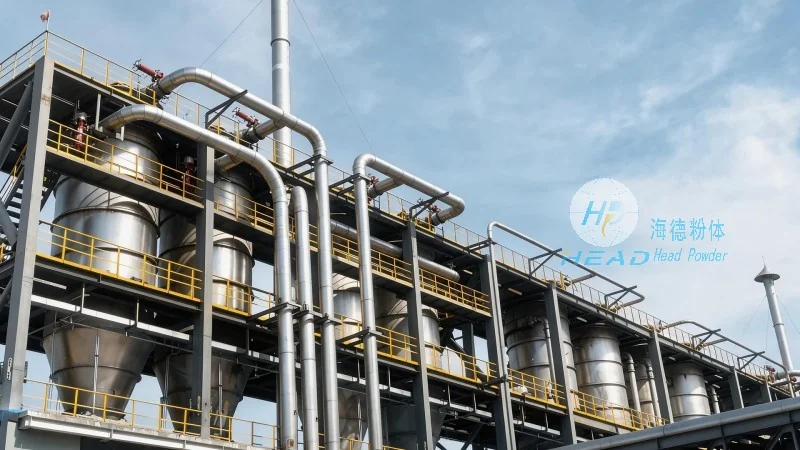
- **Material Feed Hopper**: The hopper is responsible for storing and feeding the wood fibers into the pipeline. It is designed to handle the bulk material and ensure a consistent feed rate. The hopper may include a level indicator to monitor the material inventory and a discharge valve to control the flow.
- **Pipeline Network**: The pipeline is the main conduit for transporting the wood fibers. It is constructed from durable materials to withstand the abrasive nature of wood fibers and the pressure of the air stream. The pipeline may include various fittings, such as valves, gates, and check valves, to control the flow direction and prevent backflow.
- **Separator or Cyclone**: The separator is used to separate the wood fibers from the air stream at the discharge end. It works on the principle of centrifugal force, where the heavier wood fibers are forced to the outer wall and fall into the collection hopper, while the air is directed to the exhaust or filtration system.
Advantages of Using Pneumatic Conveying for Wood Fiber Handling
Compared to traditional mechanical conveying methods, pneumatic conveying offers several advantages for handling wood fiber materials:
- **Dust-Free Operation**: Pneumatic systems are enclosed, which prevents dust and airborne particles from escaping into the environment. This reduces the risk of respiratory diseases among workers and minimizes the need for dust control measures.
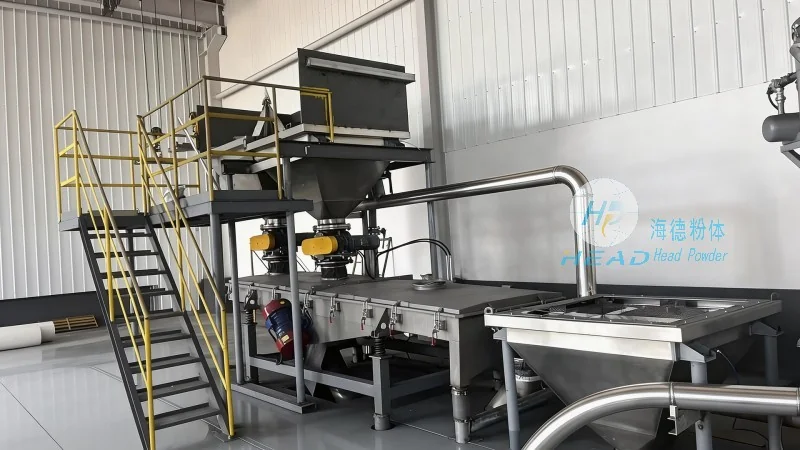
- **Space Efficiency**: The system can be installed in a compact space, as the pipeline can be routed along the walls or ceiling, saving floor space in production facilities.
- **Reduced Maintenance**: With fewer moving parts compared to mechanical conveyors, pneumatic systems require less maintenance and have lower downtime. The absence of belts, chains, or gears reduces the risk of wear and tear.
- **Flexibility in Layout**: Pneumatic conveying systems can be easily reconfigured to accommodate changes in production processes or facility layout. The pipeline can be extended or repositioned without major modifications to the system.
Company Profile: Shandong HeadPowder Engineering Co., Ltd.
Shandong HeadPowder Engineering Co., Ltd. is a leading manufacturer and supplier of industrial conveying systems, including wood fiber material pneumatic conveying lines. With a strong focus on innovation and quality, the company has established itself as a trusted partner in the pulp and paper, wood processing, and biomass energy industries. HeadPowder's products are designed to meet the specific needs of customers, ensuring efficient and reliable material handling solutions. The company's headquarters is located in Shandong, China, where it has a dedicated team of engineers and technicians dedicated to research, development, and customer support.