

What is a Glass Particle Material Pneumatic Conveying Line? What Are Its Design Principles?
A glass particle material pneumatic conveying line is a specialized system designed to transport glass particles through a pipeline using air or gas as the conveying medium. This technology is widely used in the glass manufacturing industry to move raw materials, such as glass powders or granules, from storage areas to processing equipment efficiently and safely. The design of such a system is critical, as it must account for the unique properties of glass particles, including their abrasive nature, density, and potential for static charge accumulation.
The Fundamental Design Principles of Pneumatic Conveying Systems
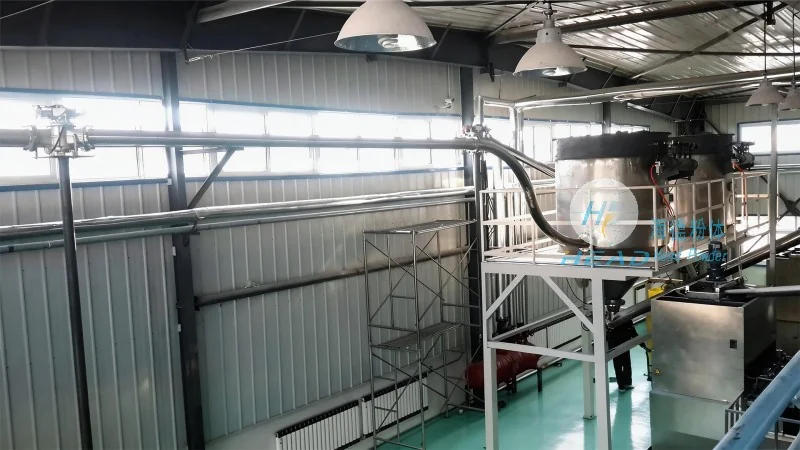
The core design principle of a pneumatic conveying line is to create a pressure differential that propels the glass particles through the pipeline. There are two primary types of pneumatic conveying systems: positive pressure and negative pressure. Positive pressure systems use a blower to force air into the pipeline, carrying the glass particles forward. Negative pressure systems, on the other hand, use a vacuum to draw the particles into the pipeline. For glass particles, positive pressure systems are often preferred due to their ability to handle abrasive materials and prevent dust leakage. The design must also consider the particle size distribution, as larger particles may require higher air velocities to maintain flow, while smaller particles can be more susceptible to clogging. Additionally, the system must incorporate features to manage static electricity, such as grounding and anti-static additives, to prevent particle buildup and ensure safe operation.
Key Components and Their Roles in the Conveying Process
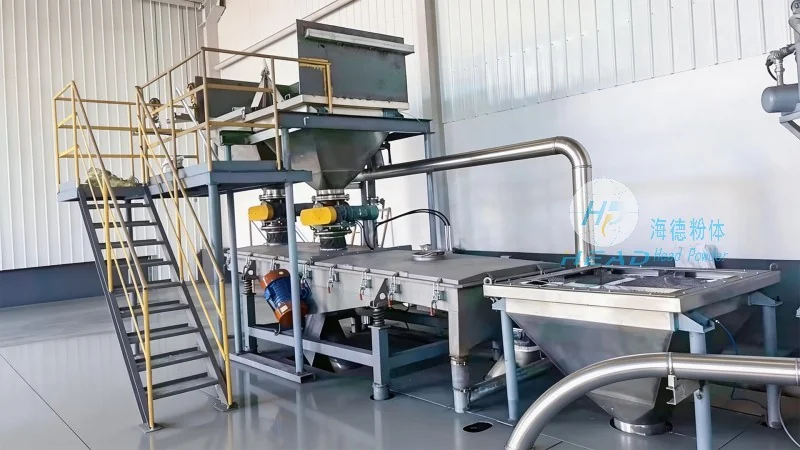
Several key components are integral to the operation of a glass particle pneumatic conveying line. The first is the material feed hopper, which stores and feeds the glass particles into the system. This component must be designed to prevent clogging and ensure a consistent flow rate. The second is the air supply unit, which provides the necessary air pressure or vacuum. For positive pressure systems, this is typically a centrifugal blower, while negative pressure systems use a vacuum pump. The pipeline itself is made of materials resistant to the abrasive nature of glass particles, such as stainless steel or high-density polyethylene, to minimize wear and tear. The pipeline layout is carefully planned to avoid sharp bends and high-velocity zones that could cause particle degradation or system failure. Finally, the discharge unit, which collects the glass particles at the destination, must be designed to handle the flow rate and prevent backflow or dust emission.
HeadPowder: Expert in Glass Particle Pneumatic Conveying Solutions
Shandong HeadPowder Engineering Co., Ltd., commonly known as HeadPowder, is a leading provider of customized pneumatic conveying solutions for the glass industry. With years of experience and a deep understanding of glass particle properties, HeadPowder has developed advanced systems that meet the specific needs of glass manufacturers. The company’s engineers work closely with clients to assess their material characteristics, processing requirements, and operational constraints to design a tailored conveying line. HeadPowder’s solutions are known for their reliability, efficiency, and safety, ensuring that glass particles are transported without damage or loss. The company also provides comprehensive support, including installation, maintenance, and technical training, to help clients maximize the performance of their conveying systems.
Advantages of Using a Glass Particle Pneumatic Conveying Line
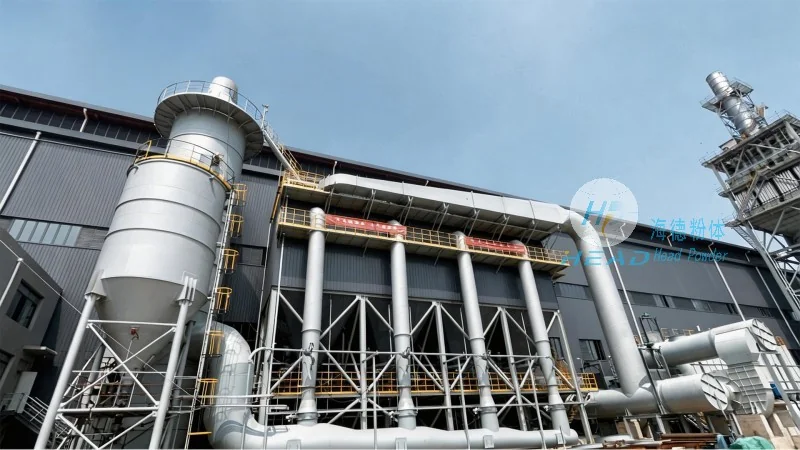
Implementing a pneumatic conveying line for glass particles offers several significant advantages over traditional methods, such as belt conveyors or bucket elevators. One of the primary benefits is the ability to transport materials in a closed system, which reduces dust emissions and improves workplace safety. This is particularly important for glass particles, which can be hazardous if inhaled. Additionally, pneumatic conveying systems are more flexible in terms of layout, as they can be installed in various configurations to fit the space constraints of a facility. The system also allows for the integration of multiple processing steps, such as drying or mixing, into the conveying process, enhancing overall efficiency. Furthermore, the use of positive pressure systems can help maintain the quality of the glass particles by preventing exposure to moisture or contaminants, which is crucial for high-quality glass production.
Conclusion: The Importance of Proper Design and Implementation
In conclusion, a glass particle material pneumatic conveying line is a sophisticated system that requires careful design and implementation to ensure optimal performance. The principles of pressure differential, material handling, and system integration are all critical to the success of such a system. Companies like Shandong HeadPowder Engineering Co., Ltd. play a vital role in providing these solutions, leveraging their expertise to design systems that meet the unique demands of the glass industry. By investing in a well-designed pneumatic conveying line, glass manufacturers can improve their operational efficiency, enhance product quality, and ensure a safe working environment.