

What is a limestone and gypsum pneumatic conveying line? What are its design principles?
HeadPowder, a leading engineering firm based in Shandong, China, specializes in the design and implementation of advanced pneumatic conveying systems tailored for limestone and gypsum materials. This article delves into the fundamental aspects of such systems, exploring their operational principles and the key design considerations that ensure efficient material handling.
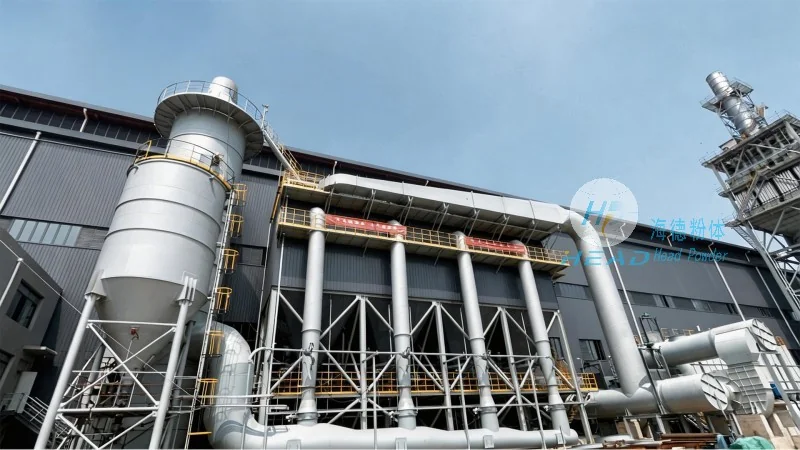
Understanding Limestone and Gypsum Pneumatic Conveying Lines
A limestone and gypsum pneumatic conveying line is a sophisticated system engineered to transport bulk materials like limestone and gypsum through a pipeline using air or gas as the conveying medium. Unlike traditional mechanical conveyors, which rely on physical components like belts or buckets, pneumatic systems utilize the force of compressed air to move materials from one location to another. This method offers several advantages, including the ability to handle fine powders, minimize material degradation, and maintain a clean, dust-free environment.
Core Design Principles of Pneumatic Conveying Systems
The design of a limestone and gypsum pneumatic conveying line is governed by several critical principles that ensure optimal performance and reliability. The first principle is the selection of the appropriate conveying method, which can be categorized into two main types: dilute-phase and dense-phase. Dilute-phase systems use low air-to-material ratios, typically moving materials at high velocities, while dense-phase systems employ higher air-to-material ratios, moving materials at lower velocities. For limestone and gypsum, which are often fine powders, dilute-phase systems are commonly preferred due to their efficiency in handling small particles.
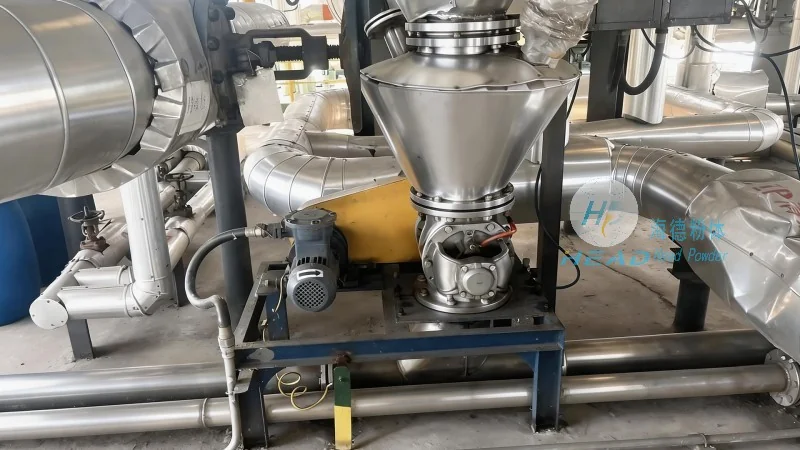
Another crucial design principle is the calculation of air velocity and pressure. The air velocity must be sufficient to overcome the gravitational force acting on the material particles and the friction within the pipeline. This is typically achieved by determining the material's terminal velocity and selecting an air velocity that is 1.5 to 2 times higher. The pressure required is then calculated based on the system's length, elevation changes, and any fittings or valves that may cause pressure losses.
Key Components and Their Functions
A pneumatic conveying line consists of several essential components, each playing a vital role in the overall operation. The primary components include the material feed hopper, which stores and feeds the limestone or gypsum into the system; the air compressor, which generates the necessary pressure to move the material; the pipeline, which transports the material and air mixture; and the discharge hopper or receiver, which collects the material at the destination. Additionally, the system may include filters, cyclones, and dust collectors to ensure the air is clean and the material is free from contamination.
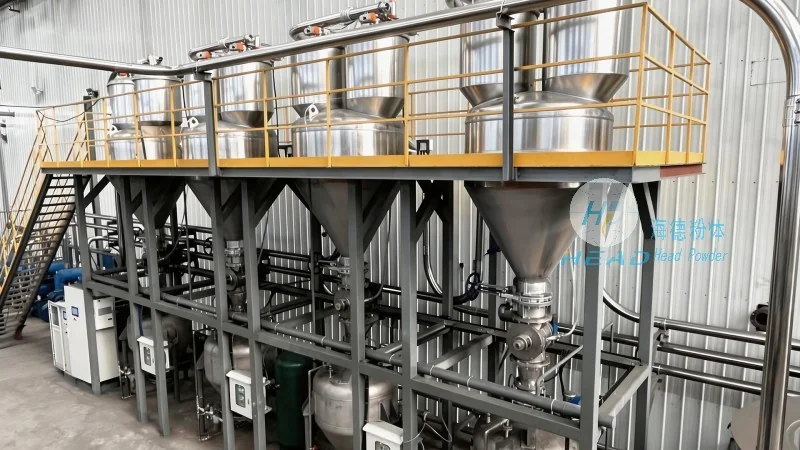
Advantages of Limestone and Gypsum Pneumatic Conveying Lines
Implementing a pneumatic conveying line for limestone and gypsum offers numerous benefits that enhance operational efficiency and product quality. One of the most significant advantages is the reduction in material degradation, as the system minimizes the impact and friction that can occur in mechanical conveyors. This is particularly important for limestone and gypsum, which are often used in applications where particle size and shape are critical, such as in cement production or construction materials. Additionally, pneumatic systems provide a closed-loop operation, preventing dust emissions and maintaining a clean working environment, which is essential for compliance with environmental regulations.
Another advantage is the flexibility of the system, which allows for easy integration with existing production lines and the ability to transport materials over long distances without the need for multiple transfer points. The system can also be designed to handle varying material flow rates, making it suitable for both continuous and intermittent operations. Furthermore, the use of compressed air as the conveying medium allows for precise control over the material flow, ensuring consistent delivery to downstream processes.
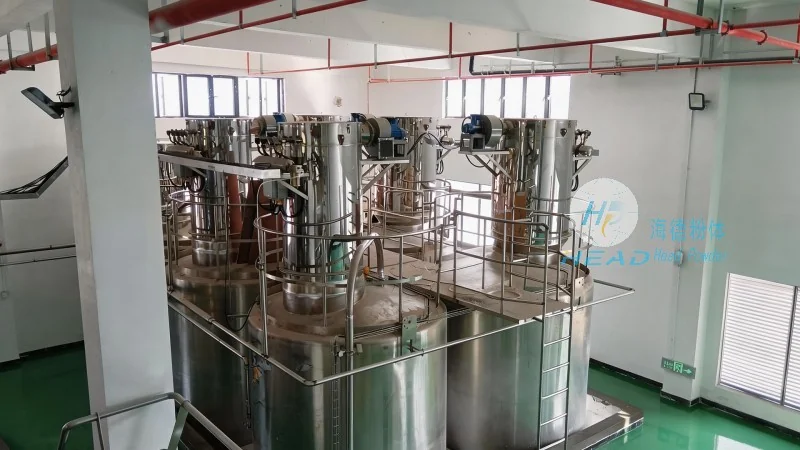
Application Scenarios and Industry Impact
Limestone and gypsum pneumatic conveying lines are widely used in various industries, including cement manufacturing, construction materials production, and chemical processing. In cement plants, these systems are used to transport raw materials such as limestone and gypsum from storage silos to the kiln, where they are processed into clinker. In construction material production, the systems are used to move materials to mixing plants or storage facilities, ensuring a steady supply of raw materials for production. The efficiency and reliability of these systems contribute to improved production throughput and reduced downtime, ultimately enhancing the overall profitability of the operations.
Conclusion
HeadPowder's expertise in designing and implementing limestone and gypsum pneumatic conveying lines ensures that clients receive tailored solutions that meet their specific operational needs. By adhering to the core design principles and incorporating advanced components, these systems provide efficient, reliable, and environmentally friendly material handling solutions. As the demand for limestone and gypsum continues to grow, the importance of robust and efficient conveying systems becomes increasingly critical, making HeadPowder a trusted partner for businesses seeking to optimize their material handling processes.