

What is a Lime Powder Material Pneumatic Conveying System? And What Are Its Design Principles?
Understanding the fundamental aspects of a lime powder material pneumatic conveying system is crucial for industries that rely on efficient and reliable material handling solutions. This system is specifically designed to transport dry, fine powders like lime powder through a network of pipes using air pressure. The design principles behind such systems are intricate, balancing factors like material properties, system efficiency, and operational safety to ensure optimal performance.
Introduction to Lime Powder Material Pneumatic Conveying Systems
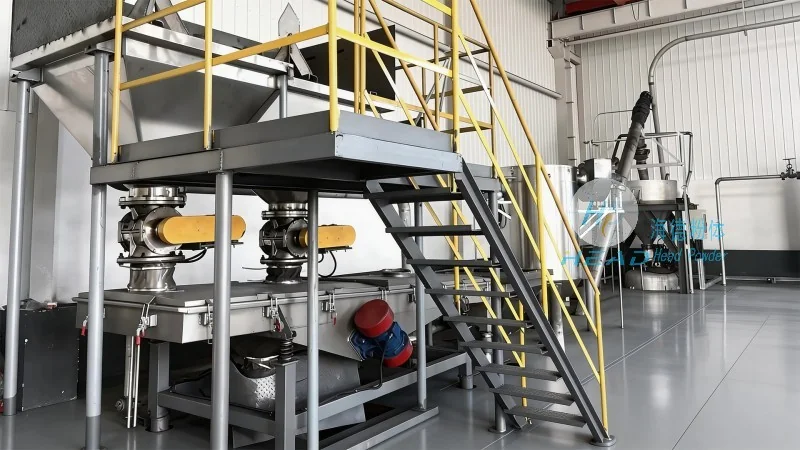
A pneumatic conveying system for lime powder is a specialized equipment setup that utilizes air as the medium to transport the powder from one location to another. Unlike traditional mechanical conveyors, which rely on belts or screws, pneumatic systems use pressure differentials to move materials. This method is particularly advantageous for handling delicate or abrasive powders like lime, as it minimizes product degradation and reduces the risk of contamination. The system typically consists of a hopper for material storage, a conveyor line with multiple sections, and a receiver for the final delivery point. Air is introduced into the system, either by a blower or a vacuum pump, to create the necessary pressure or suction to move the powder through the pipeline.
Key Components and Their Functions
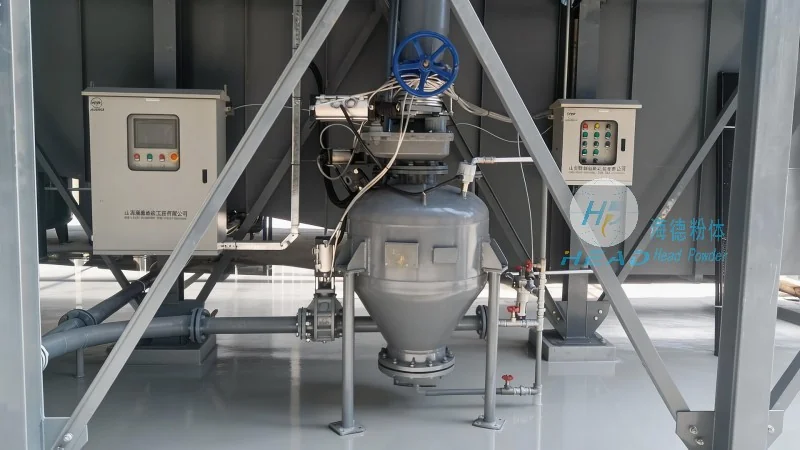
Several critical components make up a lime powder pneumatic conveying system. The primary components include the hopper, which holds the lime powder and provides a controlled feed; the conveyor line, which consists of straight and curved sections to guide the material; the air supply unit, which generates the air pressure or vacuum; and the receiver, which collects the conveyed powder. Each component plays a vital role in ensuring the system operates smoothly and efficiently. For instance, the hopper is designed with a specific shape and size to prevent material bridging and ensure a consistent flow. The conveyor line is often made of materials like stainless steel or polyethylene to resist corrosion and abrasion from the lime powder. The air supply unit can be either a positive displacement blower or a rotary lobe pump, depending on the system's requirements. The receiver is equipped with a filter to capture any fine particles that may escape during the conveying process, maintaining air quality and system cleanliness.
Design Principles and Considerations
The design of a lime powder pneumatic conveying system is based on several key principles to optimize performance and reliability. One of the most important principles is the selection of the appropriate air velocity and pressure. The air velocity must be high enough to keep the powder particles suspended in the air stream but not so high as to cause excessive wear on the system components or increase energy consumption. The pressure differential between the hopper and the receiver is another critical factor, as it determines the system's conveying capacity and distance. Engineers must carefully calculate the required pressure based on the material's properties, such as particle size, density, and flowability. Additionally, the system's design must consider the potential for material segregation or agglomeration, which can affect the conveying efficiency. To mitigate these issues, the conveyor line may include features like expansion joints or vibration dampers to maintain consistent flow and prevent blockages. The overall design also takes into account safety measures, such as explosion-proof components for the air supply unit and proper ventilation to prevent dust accumulation.
Advantages of Using Pneumatic Conveying for Lime Powder
Implementing a pneumatic conveying system for lime powder offers numerous advantages over traditional material handling methods. One of the most significant benefits is the ability to transport the powder over long distances without the need for intermediate transfer points. This reduces the risk of material spillage and contamination, which is particularly important for lime powder, as it can be a health hazard if inhaled. The system also minimizes product degradation, as the powder is not subjected to mechanical stress or friction during transport. This is crucial for lime powder, which can clump or degrade if handled improperly. Another advantage is the flexibility of the system, as it can be easily modified to accommodate changes in production volume or material properties. The system can be scaled up or down by adjusting the air velocity or pressure, making it suitable for both small-scale and large-scale operations. Furthermore, pneumatic conveying systems are generally more energy-efficient than mechanical conveyors, as they use less power to move the same amount of material over the same distance. This results in lower operating costs and reduced environmental impact.
Applications and Industries
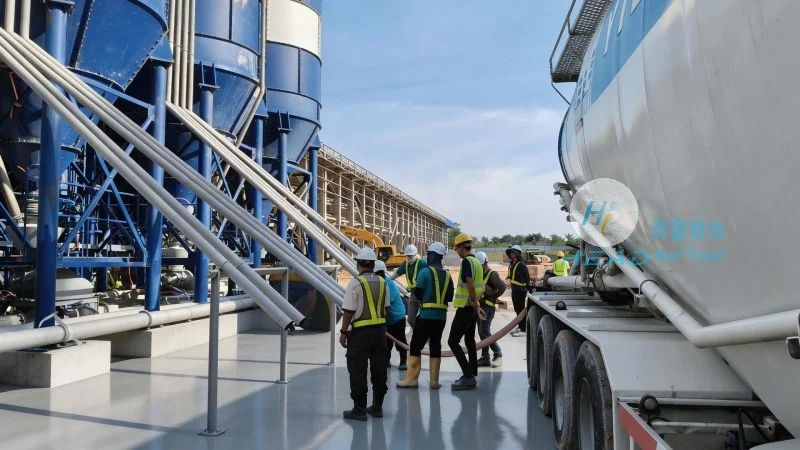
Lime powder material pneumatic conveying systems are widely used in various industries that require the handling of dry powders. The most common applications include the chemical industry, where lime is used as a raw material in the production of calcium compounds. The construction industry also utilizes these systems for transporting lime powder in concrete mixtures and mortar. The food industry may use similar systems for handling powdered ingredients, such as lime used in food processing. Additionally, the pharmaceutical industry benefits from the precise and hygienic handling of lime powder, which is essential for maintaining product quality and safety. In each of these applications, the pneumatic conveying system ensures that the lime powder is transported efficiently and safely, meeting the specific requirements of the industry.
Conclusion and Company Overview
In conclusion, a lime powder material pneumatic conveying system is a sophisticated and efficient solution for transporting dry powders in various industrial applications. The design principles behind such systems are carefully considered to ensure optimal performance, reliability, and safety. By leveraging air pressure to move the material, these systems offer advantages over traditional mechanical conveyors, including reduced product degradation, lower risk of contamination, and increased flexibility. The system's components, including the hopper, conveyor line, air supply unit, and receiver, work together to achieve these benefits. Industries that rely on lime powder, such as chemicals, construction, food, and pharmaceuticals, can benefit significantly from implementing a pneumatic conveying system. Shandong HeadPowder Engineering Co., Ltd., a leading provider of material handling solutions, specializes in designing and manufacturing these systems to meet the diverse needs of its clients. With a focus on quality and innovation, the company ensures that its pneumatic conveying systems are tailored to the specific requirements of each project, providing reliable and efficient material handling solutions for industries worldwide.