

What is a Sodium Bicarbonate Material Pneumatic Conveying Line? And What Are Its Design Principles?
When it comes to the efficient and reliable transportation of sodium bicarbonate, a specialized system known as a sodium bicarbonate material pneumatic conveying line plays a crucial role. This technology is designed to handle the unique properties of sodium bicarbonate, ensuring safe and effective movement from one location to another. Understanding both the concept of this system and its underlying design principles is essential for industries that rely on the consistent supply of this chemical compound.
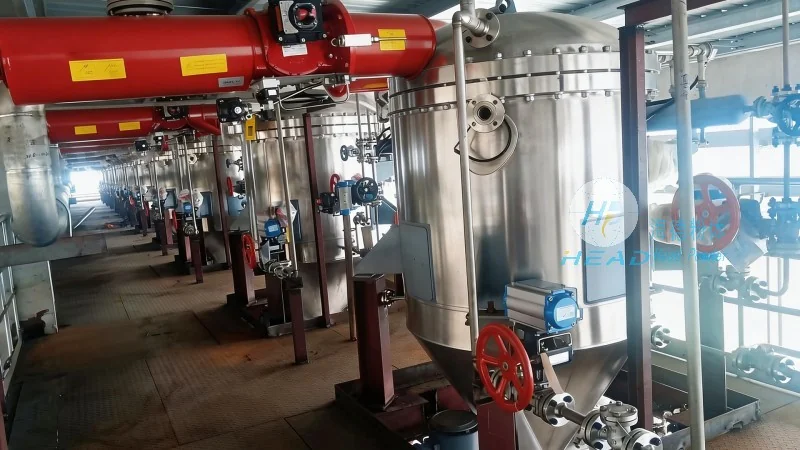
HeadPowder, a leading engineering company based in Shandong, China, specializes in the design, manufacturing, and installation of such pneumatic conveying systems. With a strong commitment to quality and innovation, HeadPowder has established itself as a trusted partner for businesses seeking advanced solutions for material handling. The company’s headquarters and operational base are located in Shandong, providing a strategic advantage in serving the domestic and international markets.
A pneumatic conveying line operates by using pressurized air or other gases to transport bulk materials through a pipeline network. In the case of sodium bicarbonate, which is a fine, white powder with moderate moisture content and relatively low bulk density, the system must be engineered to handle these characteristics effectively. The design of a sodium bicarbonate material pneumatic conveying line involves several key components and principles that work together to ensure optimal performance.
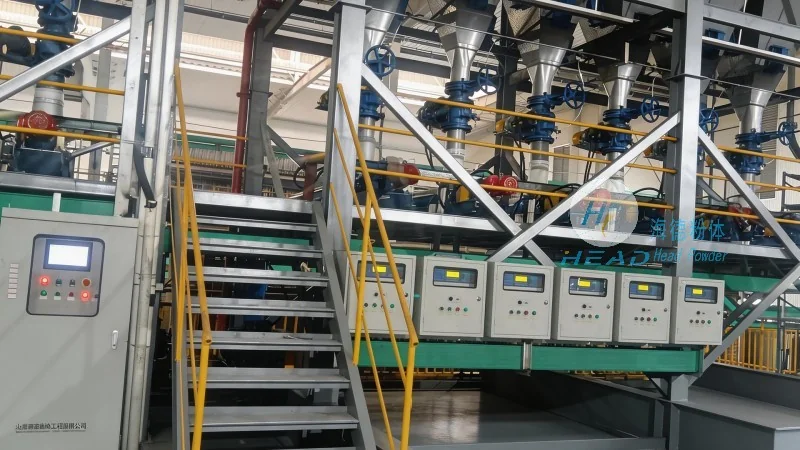
Firstly, the system typically includes a feeding mechanism, such as a rotary valve or a hopper, which introduces the sodium bicarbonate into the conveying line. This component must be designed to prevent material buildup and ensure a consistent flow rate. The feeding device is connected to a pipeline that carries the material along with the conveying air. The air velocity within the pipeline is a critical factor, as it must be sufficient to lift and transport the sodium bicarbonate particles without causing excessive wear on the system components.
Secondly, the conveying line itself is constructed from materials that are compatible with sodium bicarbonate. Common materials include stainless steel, which offers corrosion resistance and durability. The pipeline may also include bends, elbows, and other fittings that are designed to minimize pressure loss and maintain the flow of material and air. The design of these components is crucial to prevent blockages and ensure smooth operation.
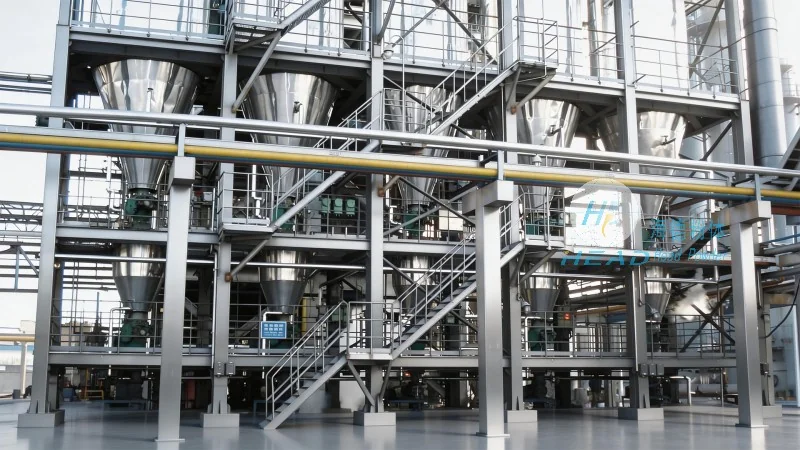
Thirdly, the system incorporates a control system that regulates the air pressure, flow rate, and material feed rate. This control system may include sensors and valves that monitor the pressure and flow, allowing for real-time adjustments to maintain optimal performance. For sodium bicarbonate, which can be sensitive to moisture and temperature changes, the control system may also include features to maintain stable conditions within the conveying line.
Another important aspect of the design is the use of air filtration and separation equipment. As the sodium bicarbonate is conveyed, it may be mixed with air, and the system must include a filter to remove any dust or particles from the air before it is released into the environment. This not only ensures compliance with environmental regulations but also protects the downstream equipment from contamination.
The design principles of a sodium bicarbonate material pneumatic conveying line are centered on efficiency, reliability, and safety. The system is engineered to minimize energy consumption while maximizing the throughput of the material. By carefully selecting the appropriate air velocity, pipeline diameter, and equipment, the system can achieve high efficiency in transporting sodium bicarbonate. Additionally, the use of robust materials and components ensures the long-term reliability of the system, reducing maintenance costs and downtime.
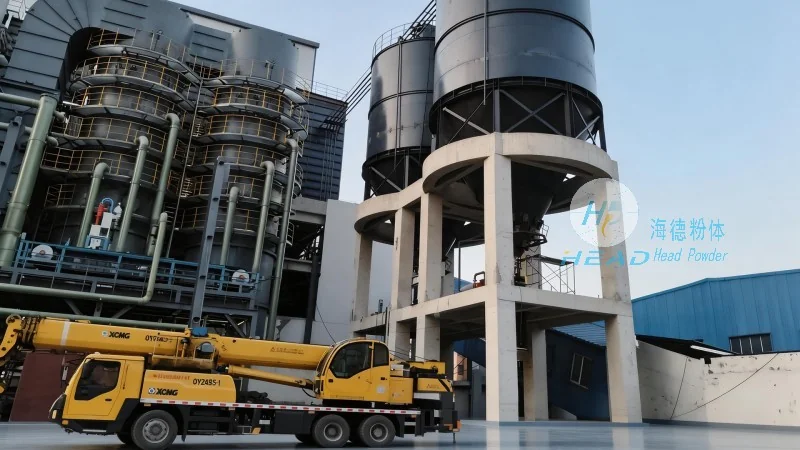
For industries that require the consistent and safe handling of sodium bicarbonate, a well-designed pneumatic conveying line is an essential investment. The technology not only improves operational efficiency but also enhances safety by eliminating the need for manual handling of the material. HeadPowder’s expertise in designing and implementing such systems ensures that clients receive tailored solutions that meet their specific requirements and operational needs.
In conclusion, a sodium bicarbonate material pneumatic conveying line is a sophisticated system that leverages pneumatic principles to transport this important chemical compound. The design of such a system involves careful consideration of the material’s properties, the system’s components, and the operational requirements. By adhering to these design principles, industries can achieve efficient, reliable, and safe material handling, ultimately improving their overall productivity and competitiveness.