

What is a bulk bag material pneumatic conveying equipment? What are its design principles?
For industrial operations dealing with bulk materials, efficient and reliable material handling solutions are crucial. One such solution is the bulk bag material pneumatic conveying equipment, a system designed to transport bulk materials from storage to processing or packaging areas. This equipment is particularly useful for handling powders, granules, and other dry bulk materials, offering a flexible and often cost-effective method of material transport compared to traditional methods like belt conveyors or trucks.
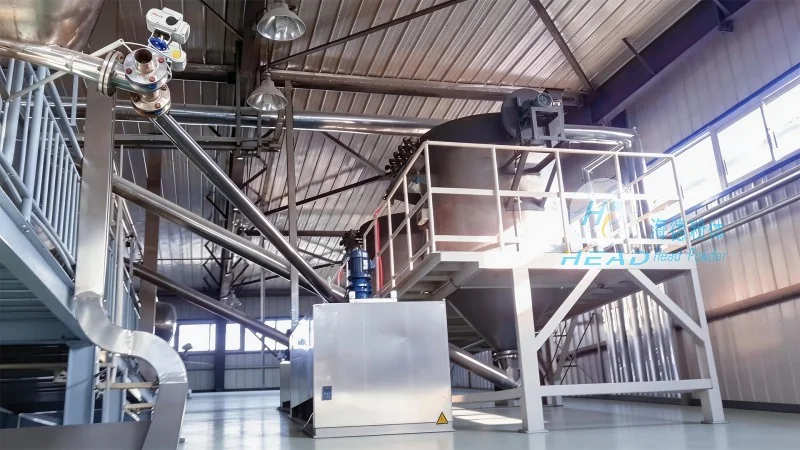
Company Overview: Shandong HeadPowder Engineering Co., Ltd.
HeadPowder, formally known as Shandong HeadPowder Engineering Co., Ltd., is a leading manufacturer and supplier of industrial material handling equipment. Based in Shandong, China, the company specializes in the design, manufacturing, and installation of pneumatic conveying systems tailored to meet the diverse needs of various industries, including food processing, pharmaceuticals, chemicals, and more. With a strong commitment to quality and innovation, HeadPowder has established itself as a trusted partner for businesses seeking efficient and reliable material handling solutions.
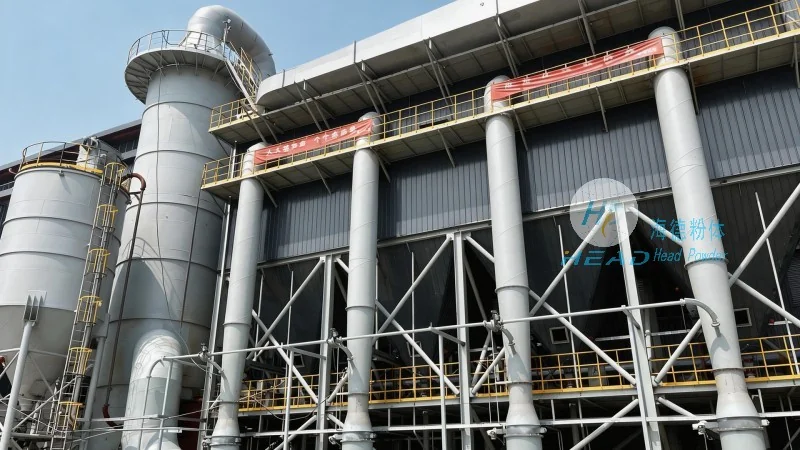
Understanding Pneumatic Conveying Systems for Bulk Bag Materials
Pneumatic conveying systems utilize air or gas to transport bulk materials through a network of pipes and components. In the context of bulk bag handling, this system typically involves loading the material from a bulk bag into a hopper, where it is then conveyed through a pipeline to the destination point. The process can be either positive pressure (where air is blown into the system) or negative pressure (where air is drawn out), depending on the specific requirements of the material and the application. This method offers several advantages, including the ability to transport materials over long distances, the reduction of dust and contamination, and the flexibility to handle various material types.
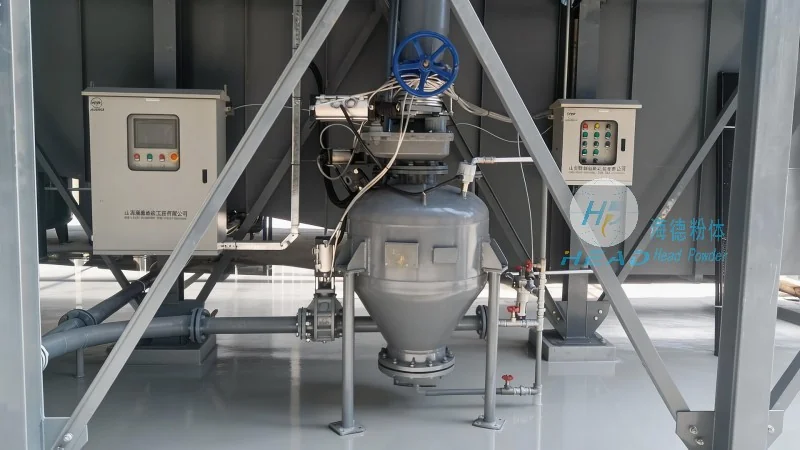
Design Principles of Pneumatic Conveying Equipment
The design of pneumatic conveying equipment for bulk bag materials is based on several key principles to ensure optimal performance and efficiency. First, the system must be able to handle the specific characteristics of the material, such as its particle size, density, and flowability. The design of the hopper and feeding mechanism is critical to prevent material bridging or clogging, which can lead to system downtime. Second, the air flow rate and pressure must be carefully controlled to ensure consistent material transport without causing excessive wear on the system components. Third, the system must be designed for easy maintenance and cleaning, as bulk materials can be abrasive and may leave residue in the pipes and components. These design principles are essential to ensure the longevity and reliability of the equipment.
Key Components and Their Functionality
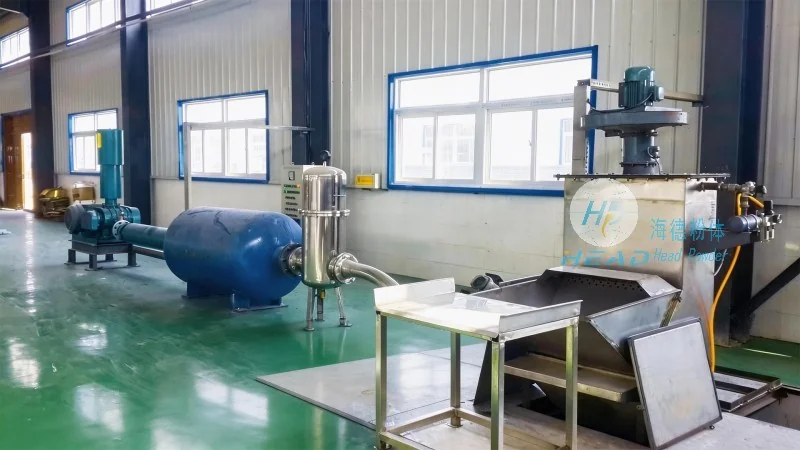
A typical bulk bag material pneumatic conveying system consists of several key components, each playing a vital role in the overall operation. The primary components include the bulk bag discharger or loader, the hopper, the air compressor or vacuum pump, the conveying pipeline, and the material receiver. The bulk bag discharger is responsible for opening the bag and feeding the material into the hopper at a controlled rate. The hopper serves as a storage and feeding device, ensuring a consistent flow of material to the pipeline. The air compressor or vacuum pump provides the necessary pressure or suction to move the material through the pipeline. The conveying pipeline is made of materials such as stainless steel or plastic, depending on the material being transported, to prevent corrosion and wear. The material receiver is the final destination where the material is deposited. Each component must be carefully selected and designed to work in harmony with the others to ensure the smooth operation of the system.
Application Scenarios and Benefits
Bulk bag material pneumatic conveying equipment is widely used in various industries due to its versatility and efficiency. In the food industry, for example, it is used to transport ingredients such as flour, sugar, and spices from bulk bags to processing lines, ensuring a clean and hygienic transfer of materials. In the pharmaceutical industry, the system is used to handle active pharmaceutical ingredients (APIs) and other sensitive materials, where contamination and dust control are critical. In the chemical industry, it is used to transport powders and granules, such as fertilizers or chemicals, from storage to production facilities. The benefits of using this equipment include reduced labor costs, improved safety by minimizing manual handling of materials, and increased efficiency by reducing material handling time. Additionally, the system can be integrated with other equipment, such as mixers or packaging machines, to create a fully automated material handling process.