

What is a Silica Fume Material Pneumatic Conveying Equipment? And What Are Its Design Principles?
For industrial applications that require the efficient handling of silica fume—a fine powder used in concrete production and other construction materials—pneumatic conveying equipment has become a critical solution. This equipment is designed to transport the material through a system of pipes using air or other gases, offering a dust-free, low-maintenance alternative to traditional methods like bucket elevators or belt conveyors. Understanding what this equipment entails and its underlying design principles is essential for selecting the right system for your operation.
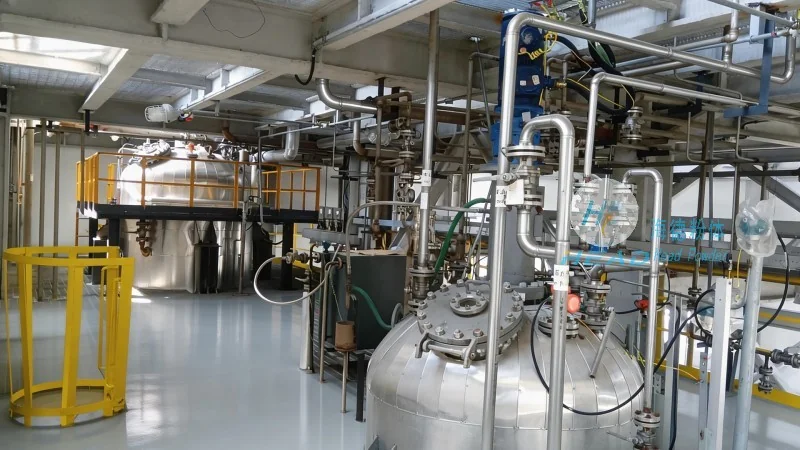
Understanding Silica Fume Pneumatic Conveying Equipment
Silica fume, also known as microsilica, is a byproduct of silicon metal or ferrosilicon production. It consists of extremely fine particles, typically ranging from 0.1 to 0.2 micrometers in diameter, which makes it difficult to handle using conventional bulk material handling methods. Pneumatic conveying equipment addresses this challenge by utilizing a pressurized air stream to move the material from the source to the destination. The system typically includes a hopper, a feeder, a conveying line, and a receiver, all working in tandem to ensure smooth and continuous material transport.
The Core Components and Their Functions
At the heart of a silica fume pneumatic conveying system are several key components, each playing a vital role in the overall operation. The hopper serves as the storage container for the material, ensuring a consistent feed. The feeder, often a rotary valve or a mass flow feeder, regulates the flow rate of the silica fume into the conveying line. The conveying line itself is made of materials resistant to corrosion and abrasion, such as stainless steel or special alloys, to withstand the harsh nature of silica fume. The receiver collects the material at the end of the line, and a filter system is often integrated to capture any fine particles that may escape, ensuring environmental compliance and product purity.
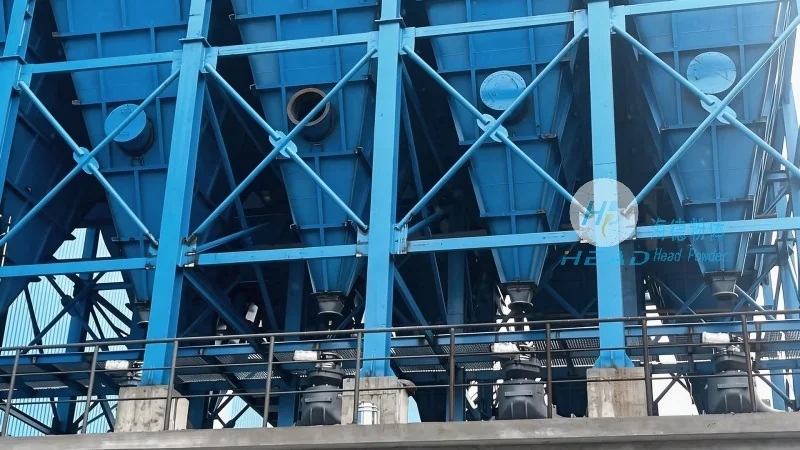
Design Principles for Efficient Operation
The design of a pneumatic conveying system for silica fume is guided by several key principles to maximize efficiency and minimize operational issues. One of the primary considerations is the velocity of the air stream. The air must be moving at a sufficient speed to keep the material suspended and prevent it from settling or clogging the pipes. This velocity is often determined by the material's properties, such as its density and particle size, and is typically calculated using the "minimum conveying velocity" formula. Another critical factor is the system's pressure. Positive pressure systems, where air is blown into the conveying line, are commonly used for short to medium distances, while negative pressure (or vacuum) systems are preferred for longer distances or when the material needs to be transported from a higher to a lower elevation. The choice between these systems depends on the specific application and the distance the material must travel.
Advantages of Using Pneumatic Conveying for Silica Fume
Compared to traditional handling methods, pneumatic conveying offers several advantages for silica fume. First, it provides a dust-free environment, which is crucial for maintaining workplace safety and compliance with environmental regulations. Second, it reduces the risk of material degradation, as the material is not exposed to external elements or mechanical stress during transport. Third, the system is relatively low-maintenance, with fewer moving parts compared to other equipment like belt conveyors. Additionally, pneumatic conveying can handle a wide range of material flow rates, making it adaptable to varying production needs. These benefits make it an attractive solution for industries that rely on silica fume in their manufacturing processes.
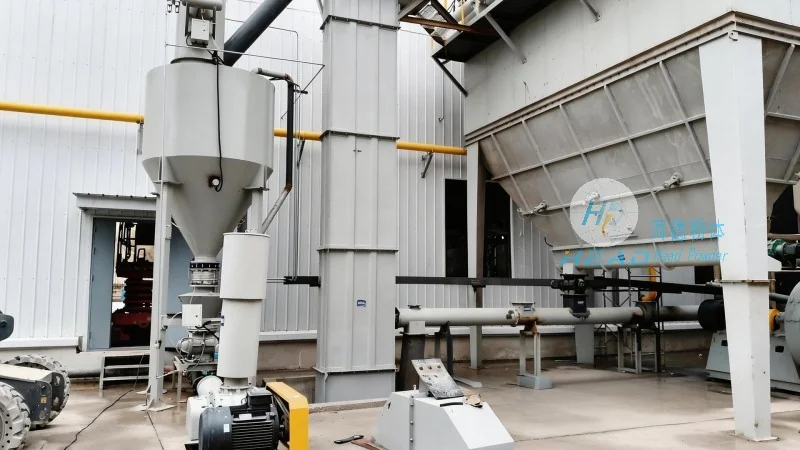
Applications in the Construction Industry
Silica fume is widely used in the construction industry as a supplementary cementitious material (SCM) to enhance the properties of concrete. It improves the concrete's strength, durability, and resistance to chemical attacks. Pneumatic conveying equipment is particularly valuable in this industry because it allows for the efficient transport of silica fume from storage silos to batching plants or mixing stations. This ensures that the material is delivered in a controlled manner, maintaining its quality and preventing contamination. The ability to handle the fine particles without clogging or loss is essential for maintaining the consistency of the concrete mix, which is critical for structural integrity.
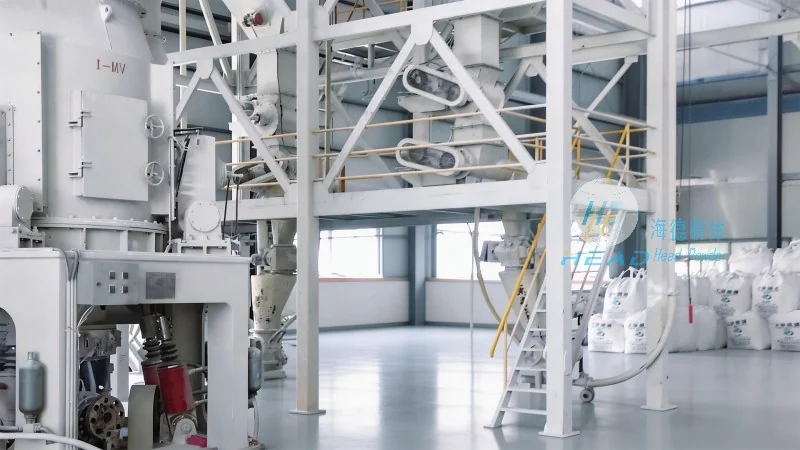
Key Considerations for Selecting the Right System
When selecting a pneumatic conveying system for silica fume, several factors must be considered to ensure optimal performance. The first is the distance the material needs to be transported. Short distances may be suitable for positive pressure systems, while longer distances or those involving elevation changes may require negative pressure systems. The second is the required flow rate, which depends on the production capacity of the facility. The third is the material's properties, such as its moisture content and particle size distribution, as these can affect the system's efficiency and maintenance needs. Finally, the system's compatibility with existing infrastructure and the available space must be evaluated. Consulting with a specialized engineering company, such as Shandong HeadPowder Engineering Co., Ltd., a leading provider based in Shandong, China, can help in selecting the most appropriate system based on these factors.
Conclusion: The Role of Specialized Engineering in Pneumatic Conveying
Pneumatic conveying equipment for silica fume is a sophisticated system that requires careful design and engineering to ensure efficient and reliable operation. The principles of air velocity, pressure, and component selection are critical to the system's success. By understanding these principles and working with experienced engineers, industries can optimize their material handling processes, improve safety, and enhance the quality of their products. For companies in need of such equipment, Shandong HeadPowder Engineering Co., Ltd., a leading provider based in Shandong, China, offers comprehensive solutions tailored to the specific needs of silica fume handling. Their expertise in designing and manufacturing pneumatic conveying systems ensures that clients receive equipment that meets their operational requirements and delivers long-term value.