

What is the rice flour material pneumatic conveying equipment? And what are its design principles?
For industries dealing with rice flour and similar fine powders, efficient material handling is crucial. The pneumatic conveying equipment designed specifically for such applications plays a vital role in ensuring smooth production processes. This article will explore the rice flour material pneumatic conveying equipment and its underlying design principles, providing insights into how these systems operate and why they are essential in modern material handling.
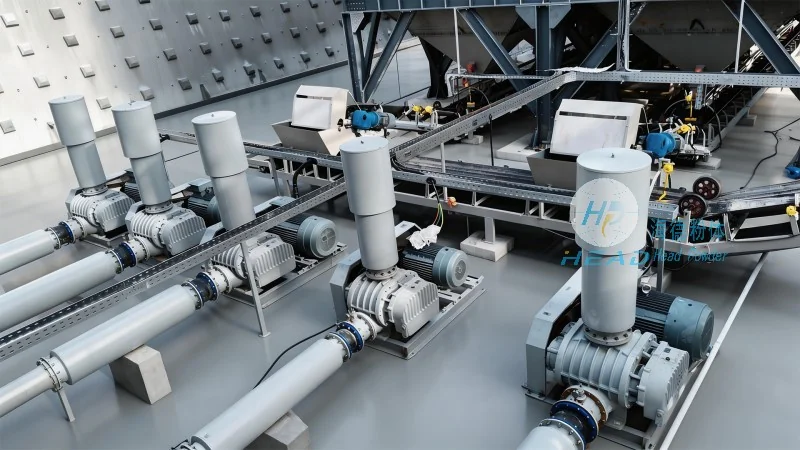
Understanding Pneumatic Conveying Systems for Rice Flour
Rice flour, being a fine and often hygroscopic powder, requires specialized equipment to handle it without degradation or loss. Pneumatic conveying systems use air or other gases to transport bulk materials like rice flour from one location to another. These systems are preferred over traditional methods like belt conveyors or screw conveyors because they offer advantages such as minimal product contamination, reduced risk of dust explosion, and the ability to handle materials in a closed system.
The core components of a rice flour pneumatic conveying system typically include a hopper for material storage, a conveyor line (either positive or negative pressure), a filter system to capture any released particles, and a discharge mechanism. The design of each component is tailored to the unique properties of rice flour, ensuring optimal performance and safety.
Design Principles of Rice Flour Pneumatic Conveying Equipment
The design of pneumatic conveying equipment for rice flour is guided by several key principles aimed at maximizing efficiency and reliability. First, the system must maintain a consistent air flow rate to ensure the material is transported smoothly without clogging or excessive pressure drops. This is achieved through the use of appropriate air compressors and flow control valves.
Second, the equipment is designed to minimize product degradation. Rice flour is sensitive to moisture and temperature changes, so the conveying system is constructed with materials that are non-reactive and easy to clean. Additionally, the system operates under controlled pressure and temperature conditions to prevent moisture absorption or heat exposure that could affect the quality of the flour.
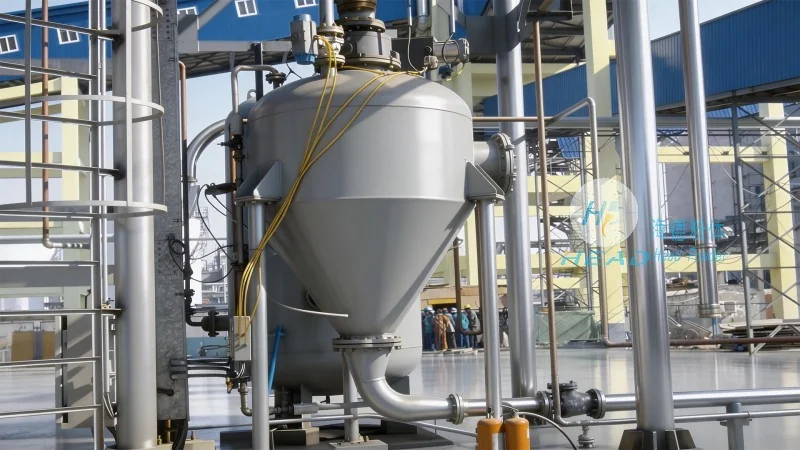
Third, safety is a critical design consideration. The equipment includes features such as explosion-proof components, dust collection systems, and emergency shut-off valves to prevent accidents and protect both the product and personnel. The closed-loop design of the system also helps in maintaining a clean and hygienic environment, which is essential for food-grade materials like rice flour.
Components and Their Functions in the Equipment
Each component of the rice flour pneumatic conveying equipment serves a specific purpose, contributing to the overall functionality of the system. The hopper is the initial storage unit, designed with a wide opening to allow easy material loading and a smooth transition into the conveyor line. It often includes a level indicator to monitor the material volume and prevent overfilling.
The conveyor line, which can be either positive or negative pressure, is the heart of the system. In positive pressure systems, air is forced through the material, pushing it forward. In negative pressure systems, air is drawn away from the material, pulling it along. The choice between these systems depends on the material's properties and the distance it needs to be transported. For rice flour, positive pressure systems are often preferred as they provide better control over the material flow and reduce the risk of dust emissions.
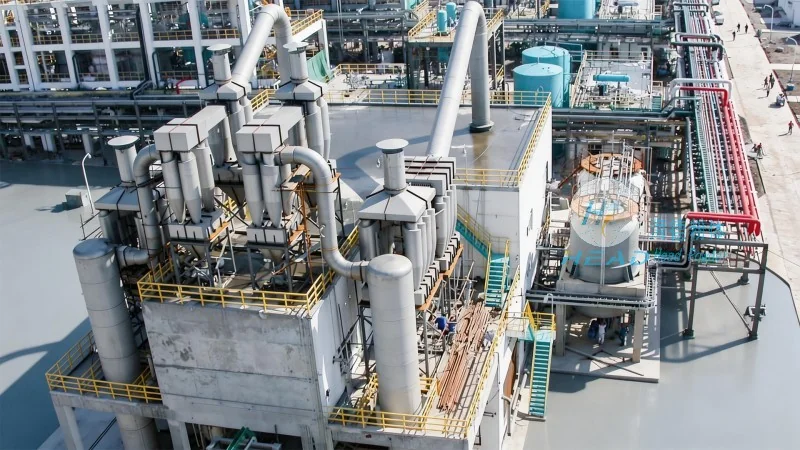
The filter system is crucial for maintaining air quality and preventing dust from escaping into the environment. It typically consists of a baghouse or cartridge filter that captures any particles before the air is released back into the facility. This not only protects the environment but also ensures that the material remains clean and free from contaminants.
The discharge mechanism at the end of the conveyor line is designed to deliver the rice flour to its final destination, such as a silo or packaging machine. It may include a valve or a rotary airlock to control the flow rate and prevent backflow. The design of this component is critical to ensure a steady and controlled discharge, avoiding any blockages or spills.
Advantages of Using Pneumatic Conveying for Rice Flour
Implementing pneumatic conveying equipment for rice flour offers several advantages over traditional material handling methods. One of the primary benefits is the ability to handle the material in a closed system, which reduces dust contamination and improves product quality. This is particularly important for food-grade products like rice flour, where hygiene and purity are paramount.
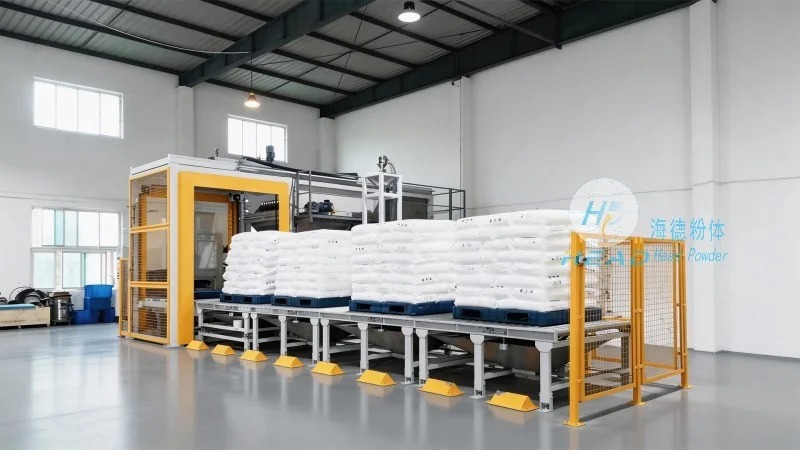
Another advantage is the flexibility of the system. Pneumatic conveyors can be easily reconfigured to transport materials to different locations within a facility, making them suitable for dynamic production environments. They can also handle a wide range of material types and particle sizes, making them versatile for various applications.
The system also offers cost savings in the long run. While the initial investment may be higher than traditional conveyors, the reduced maintenance costs and improved efficiency lead to overall savings. Additionally, the closed system reduces the need for additional cleaning and maintenance, as dust and debris are contained within the equipment.
Finally, pneumatic conveying systems are more energy-efficient compared to other methods. The use of air as the conveying medium is generally more energy-efficient than mechanical systems, which can result in lower operational costs over time.
Conclusion
Rice flour material pneumatic conveying equipment is a sophisticated solution for handling fine powders like rice flour. By understanding the design principles and components of these systems, industries can ensure efficient, safe, and hygienic material handling. The equipment from Shandong HeadPowder Engineering Co., Ltd., with its focus on quality and innovation, provides reliable solutions tailored to the specific needs of rice flour processing. Whether for small-scale or large-scale operations, this equipment is essential for maintaining high standards in rice flour production and distribution.