

What is a Coking Coal Material Pneumatic Conveying Equipment? And What Are Its Design Principles?
Coking coal is a critical raw material in the steel industry, and efficient handling of this material is essential for smooth production processes. Pneumatic conveying equipment offers a reliable solution for transporting coking coal from storage to processing units. This article explores the components, working principles, and design considerations of coking coal pneumatic conveying systems, with a focus on the technology provided by Shandong HeadPowder Engineering Co., Ltd.
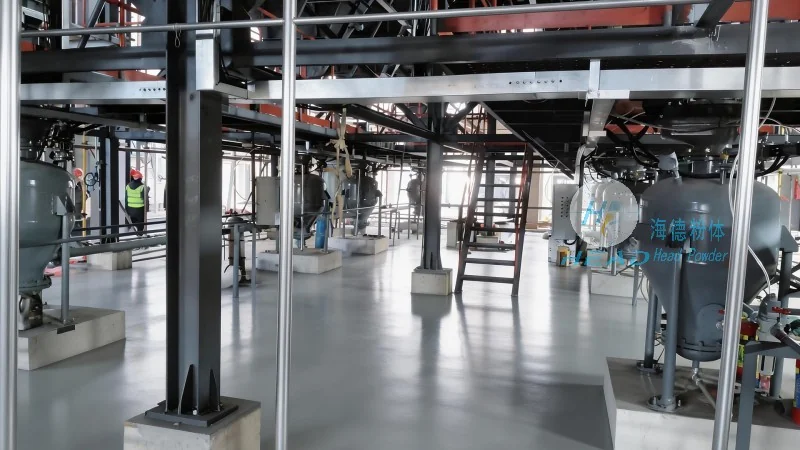
HeadPowder, a leading manufacturer in the field, specializes in developing customized pneumatic conveying solutions tailored to the unique demands of coking coal handling. The company is based in Shandong, China, and has a strong reputation for delivering high-quality equipment that meets the needs of the steel industry. HeadPowder's expertise lies in integrating advanced engineering with practical application, ensuring that the equipment not only meets but exceeds industry standards for efficiency and durability.
The core of a coking coal pneumatic conveying system is its ability to transport bulk materials through a pressurized or vacuum environment. The design principles revolve around several key components: the feed hopper, which stores and meters the coal; the conveyor line, which can be either positive pressure or negative pressure; and the separation and cleaning systems that prevent material buildup and maintain system performance.
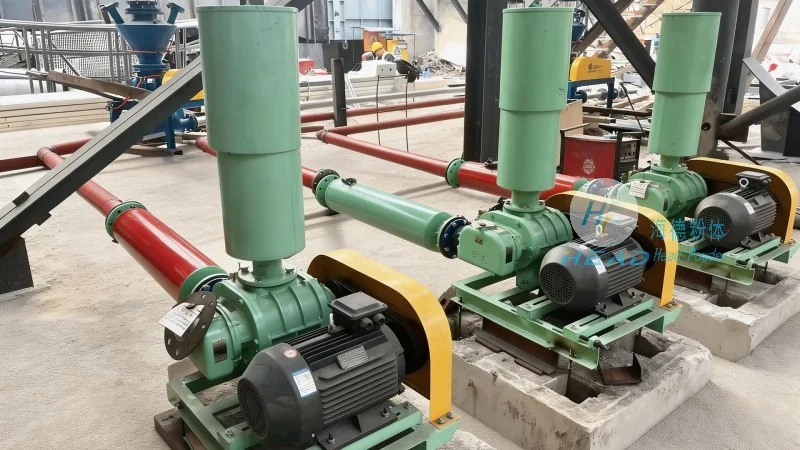
For positive pressure systems, the feed hopper is typically equipped with a rotary valve or screw feeder to control the flow of coking coal into the conveying line. The line is pressurized with air, which propels the coal through the pipeline to the destination. This method is ideal for long-distance or high-volume transport, as it can handle abrasive materials like coking coal without excessive wear on components.
Negative pressure systems, on the other hand, use suction to draw the coal from the source and move it to the receiver. The feed hopper in this configuration may include a dust collection system to capture any airborne particles, ensuring environmental compliance. Both systems rely on precise air flow control to maintain consistent material transport rates.
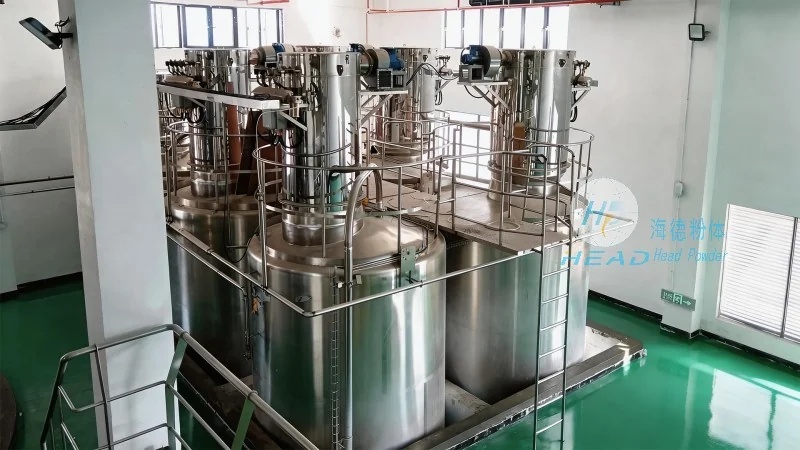
Separation and cleaning are critical aspects of coking coal pneumatic conveying. As the coal travels through the pipeline, it may encounter bends or changes in direction, which can cause particles to separate from the air stream. Cyclone separators or filter bags are commonly used to separate the coal from the air, preventing blockages and maintaining system efficiency. Regular maintenance of these components is essential to avoid downtime and ensure long-term performance.
Designing a coking coal pneumatic conveying system requires careful consideration of several factors. The first is the material's physical properties, such as particle size, density, and moisture content. These characteristics influence the choice of conveying method (positive or negative pressure) and the necessary air flow rates. For example, larger or denser particles may require higher air pressure to ensure reliable transport.
Another critical factor is the distance and layout of the conveying route. The system's design must account for the length of the pipeline, the number of bends, and any vertical or horizontal changes in elevation. HeadPowder engineers use computational fluid dynamics (CFD) and other simulation tools to model the system and optimize air flow, ensuring that the equipment operates efficiently under all conditions.
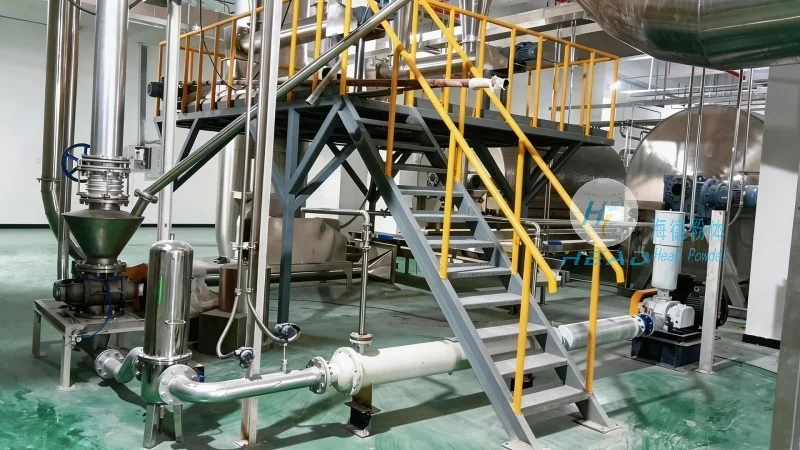
Material selection is also a key design consideration. Components such as the feed hopper, conveyor line, and separation systems must be constructed from materials that can withstand the abrasive nature of coking coal. Stainless steel, high-chrome alloys, and other corrosion-resistant materials are commonly used to extend the equipment's lifespan and reduce maintenance costs.
HeadPowder's approach to coking coal pneumatic conveying equipment is centered on customer needs. The company works closely with clients to understand their specific requirements, whether it's for a new installation or the upgrade of an existing system. By leveraging years of experience and advanced technology, HeadPowder provides solutions that are not only efficient but also cost-effective and environmentally friendly.