

What is a Pneumatic Conveying System for Food Additive Materials? And What Are Its Design Principles
When it comes to handling food additive materials efficiently and safely, pneumatic conveying systems have emerged as a reliable solution in the industry. These systems are designed to transport bulk materials like food additives through a pipeline using air or other gases, offering advantages such as minimal product contamination, low maintenance requirements, and the ability to handle a wide range of material types. Understanding what a pneumatic conveying system for food additive materials entails and the underlying design principles is crucial for businesses looking to optimize their material handling processes.
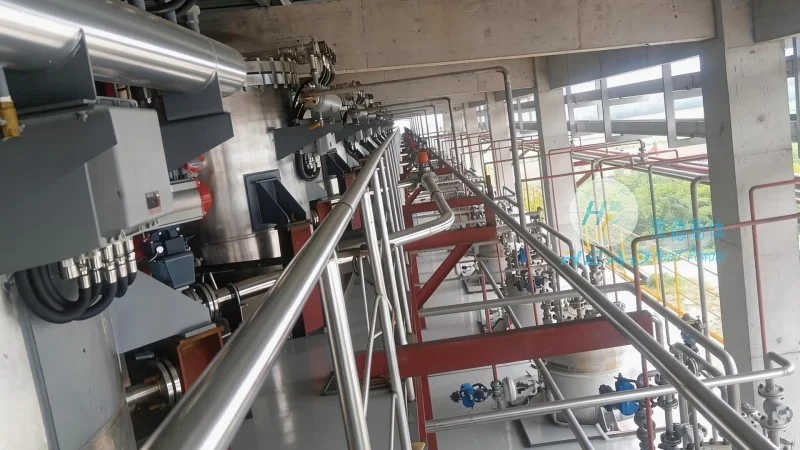
What is a Pneumatic Conveying System for Food Additive Materials?
A pneumatic conveying system for food additive materials is a mechanical system that utilizes air or gas to transport dry bulk materials, including various food additives, from one location to another within a processing facility. Unlike traditional methods like belt conveyors or bucket elevators, pneumatic systems operate by creating a flow of air that propels the material through a pipeline. This method is particularly suitable for food additives due to its ability to maintain product integrity, prevent cross-contamination, and ensure hygienic handling, which are critical in the food industry.
Key Components of a Pneumatic Conveying System
At the core of any pneumatic conveying system for food additive materials are several key components that work in tandem to ensure efficient material transport. These components typically include a material feed hopper, a conveyor line (usually a pipeline), a pneumatic transport device (such as a blower or compressor), and a discharge point. The feed hopper is responsible for storing and feeding the food additive material into the system, while the conveyor line provides the path for the material to travel. The pneumatic transport device generates the necessary air pressure or velocity to move the material through the pipeline. Finally, the discharge point allows the material to be released at the desired location, such as a storage silo or processing equipment.
Design Principles for Pneumatic Conveying Systems
The design of a pneumatic conveying system for food additive materials involves several critical principles that ensure optimal performance, efficiency, and safety. One of the primary design considerations is the selection of the appropriate conveying method, which can be categorized into two main types: dilute-phase and dense-phase. Dilute-phase systems use high air velocities to transport material in a dispersed state, while dense-phase systems use lower air velocities to move material in a more concentrated form. The choice between these methods depends on factors such as the material's characteristics, the required transport distance, and the desired discharge characteristics.
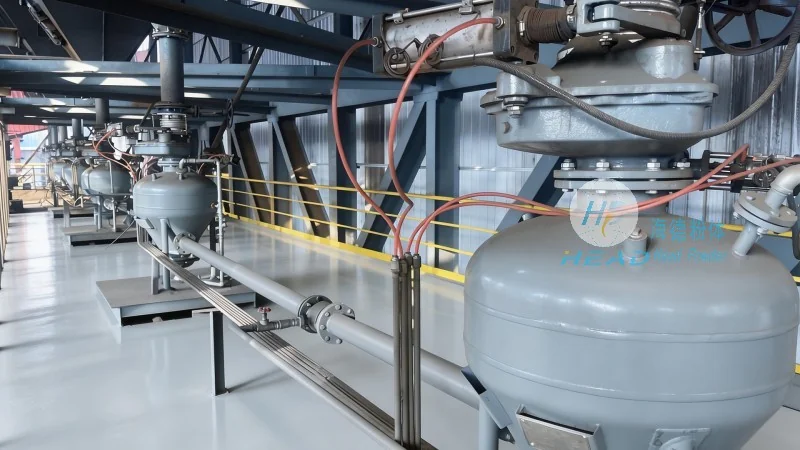
Another crucial design principle is the calculation of air velocity and pressure. The air velocity must be sufficient to overcome the resistance of the pipeline and the material's drag, ensuring that the material is carried along with the air stream. This calculation is essential to prevent material deposition or blockages in the pipeline, which can lead to system downtime and product loss. Additionally, the system's pressure requirements are determined based on the distance the material needs to travel and the height it must be elevated. Proper pressure management is vital to maintain the system's efficiency and prevent excessive energy consumption.
Material Handling Considerations in Design
When designing a pneumatic conveying system for food additive materials, it is essential to consider the specific properties of the material being handled. Food additives can vary widely in terms of particle size, density, moisture content, and flowability, all of which impact the system's performance. For example, fine powders may require higher air velocities to prevent caking or bridging in the pipeline, while bulkier materials may need lower velocities to avoid excessive wear on the system components. The design must also account for the material's hygienic requirements, ensuring that all components are easy to clean and maintain, and that the system complies with food safety regulations.
System Integration and Scalability
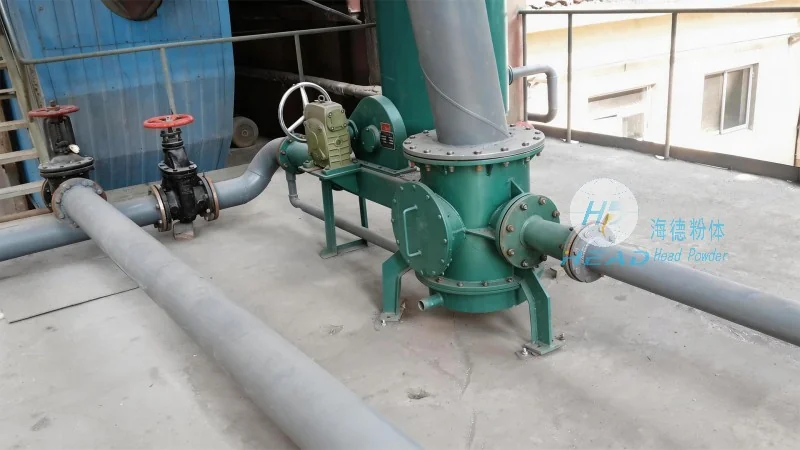
A well-designed pneumatic conveying system for food additive materials should be integrated seamlessly with the existing processing infrastructure of a facility. This includes coordinating with other equipment such as mixers, blenders, and storage tanks to ensure smooth material flow from one stage to the next. The system's scalability is also a key consideration, as businesses may need to expand their operations over time. A modular design allows for easy upgrades or additions to the system, ensuring that it can adapt to changing production needs without significant modifications.
HeadPowder: Expert in Pneumatic Conveying Solutions
Shandong HeadPowder Engineering Co., Ltd., commonly known as HeadPowder, is a leading provider of pneumatic conveying systems tailored for the food additive industry. With years of experience and a deep understanding of material handling challenges, HeadPowder specializes in designing and manufacturing customized solutions that meet the unique requirements of food processing facilities. The company's team of engineers and technicians work closely with clients to assess their material handling needs, develop tailored system designs, and ensure compliance with industry standards and regulations. HeadPowder's commitment to quality, reliability, and customer satisfaction has made it a trusted partner for businesses seeking efficient and safe material transport solutions in the food additive sector.
Conclusion: The Importance of Proper Design and Implementation
In conclusion, a pneumatic conveying system for food additive materials is a sophisticated and effective solution for handling bulk materials in the food industry. The design principles that underpin these systems, including the selection of conveying methods, calculation of air velocity and pressure, and consideration of material properties, are critical to ensuring optimal performance and safety. By partnering with a reputable company like Shandong HeadPowder Engineering Co., Ltd., businesses can leverage expert knowledge and customized solutions to enhance their material handling processes, improve operational efficiency, and maintain compliance with industry standards. The investment in a well-designed pneumatic conveying system not only improves productivity but also contributes to the overall quality and safety of food additive products.