

Phosphorus Pentoxide Material Pneumatic Conveying System: Understanding the System and Its Design Pr
Phosphorus pentoxide, also known as P₂O₅, is a highly reactive and hygroscopic chemical compound widely used in various industrial applications, including the production of phosphoric acid, fertilizers, and specialty chemicals. The handling of this material requires specialized equipment to ensure safety, efficiency, and compliance with industrial standards. A pneumatic conveying system is a critical solution for transporting phosphorus pentoxide, offering advantages such as dust-free operation, reduced material degradation, and improved process control. This article explores the fundamentals of a phosphorus pentoxide material pneumatic conveying system, including its design principles and key components.
Key Components of a Pneumatic Conveying System for Phosphorus Pentoxide
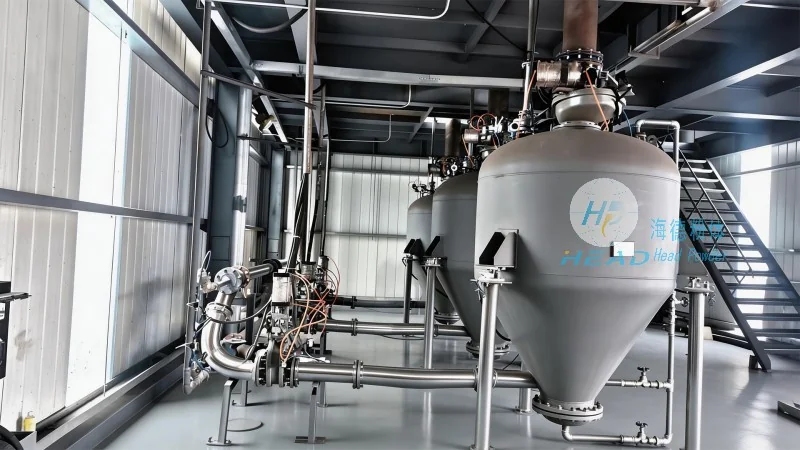
The pneumatic conveying system for phosphorus pentoxide typically consists of several essential components that work together to facilitate material transport. These components include a material feeder, a conveying line (often with a venturi or pressure vessel), a dust collector or filter system, and a control unit. The material feeder is responsible for feeding the phosphorus pentoxide into the conveying line at a controlled rate, ensuring consistent flow and preventing blockages. The conveying line may be either positive pressure or negative pressure, depending on the specific application and material characteristics. Positive pressure systems use compressed air to push the material through the line, while negative pressure systems use suction to draw the material. The venturi or pressure vessel helps to accelerate the material and maintain the necessary air flow. The dust collector or filter system is crucial for capturing any fine particles that may escape during the conveying process, ensuring environmental compliance and product purity. The control unit monitors and regulates the system parameters, such as air pressure, flow rate, and material feed rate, to optimize performance and prevent operational issues.
Design Principles for Phosphorus Pentoxide Pneumatic Conveying Systems
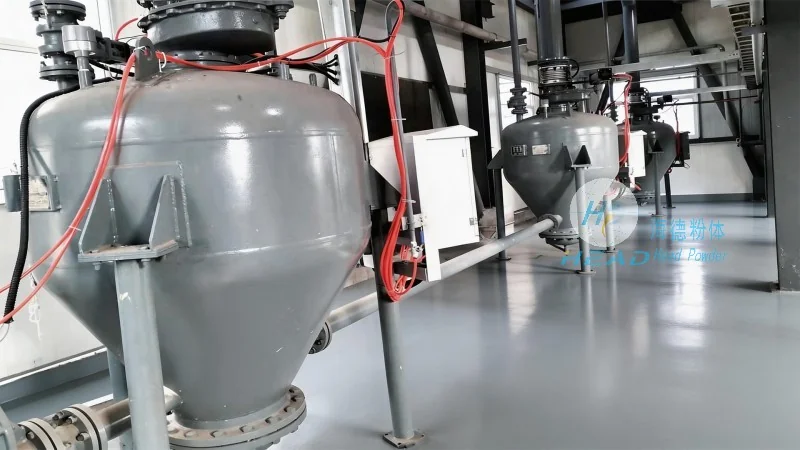
The design of a phosphorus pentoxide material pneumatic conveying system follows several key principles to ensure safe and efficient operation. First, the system must be designed to handle the hygroscopic nature of phosphorus pentoxide, which can absorb moisture from the air and cause clumping or caking. This requires the use of dry, filtered air and appropriate moisture control measures. Second, the system must be constructed from materials that are resistant to corrosion and chemical attack, as phosphorus pentoxide is highly reactive and can degrade certain metals. Common materials include stainless steel, polyethylene, and other corrosion-resistant alloys. Third, the system must be designed to minimize material degradation and loss, as phosphorus pentoxide is a valuable and sensitive product. This involves using smooth, low-friction surfaces and avoiding high-velocity impacts or abrasion. Fourth, the system must be equipped with safety features to prevent accidents and ensure operator safety. These may include pressure relief valves, explosion-proof components, and emergency shut-off systems. Finally, the system must be designed for easy maintenance and cleaning, as the material can be difficult to remove from equipment. This includes features such as easy-to-clean hoppers, removable filters, and accessible maintenance points.
Application Considerations for Phosphorus Pentoxide Pneumatic Conveying
The application of a phosphorus pentoxide material pneumatic conveying system depends on several factors, including the specific process requirements, material characteristics, and operational conditions. For example, the system design may vary based on the distance to be covered, the volume of material to be transported, and the desired flow rate. In some cases, a combination of positive and negative pressure systems may be used to achieve the best results. The system must also be compatible with other equipment in the process, such as storage silos, reactors, and packaging equipment. Additionally, the system must be designed to meet regulatory requirements, such as those related to air quality and occupational safety. The choice of system components, such as the type of feeder or filter, may also be influenced by the specific application and material properties. For instance, a high-capacity system may require a larger material feeder and a more robust conveying line, while a low-capacity system may use a smaller, more compact design. The system must also be designed to minimize energy consumption and operating costs, as these are important factors in industrial operations. This may involve optimizing the air flow rate, using energy-efficient components, and implementing energy-saving measures.
Conclusion and Company Overview
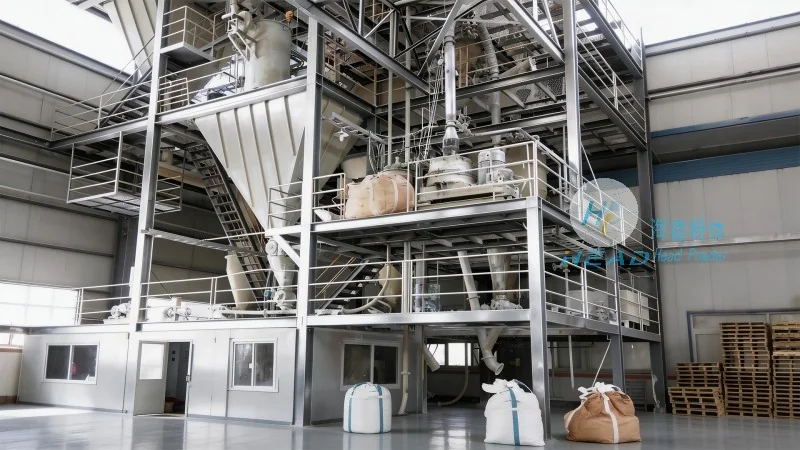
Phosphorus pentoxide material pneumatic conveying systems are essential equipment for the safe and efficient handling of this critical chemical compound. The design of such systems must consider the unique properties of phosphorus pentoxide, including its reactivity, hygroscopic nature, and value. By following the key design principles and using appropriate components, a pneumatic conveying system can effectively transport phosphorus pentoxide while minimizing material loss, degradation, and environmental impact. Shandong HeadPowder Engineering Co., Ltd., a leading provider of industrial engineering solutions, specializes in the design and manufacturing of pneumatic conveying systems for various materials, including phosphorus pentoxide. With years of experience and a commitment to quality, HeadPowder offers customized solutions tailored to the specific needs of its clients. The company's expertise in material handling and process engineering ensures that its systems are reliable, efficient, and compliant with industry standards. Based in Shandong, China, HeadPowder serves a wide range of industries, including chemical, fertilizer, and specialty chemical manufacturing. The company's focus on customer satisfaction and technical excellence has made it a trusted partner for businesses seeking to optimize their material handling processes. Whether for new installations or system upgrades, HeadPowder provides comprehensive support, from initial design and engineering to installation and maintenance. By choosing HeadPowder, clients can benefit from advanced technology, expert knowledge, and reliable service, ensuring the success of their phosphorus pentoxide material handling operations.