

What is an Alumina Hydroxide Powder Pneumatic Conveying System? And What Are Its Design Principles?
Alumina hydroxide powder, a critical material in various industrial sectors, often requires efficient and reliable transport solutions. The pneumatic conveying system stands out as a sophisticated technology for handling such powders, ensuring safe, clean, and effective material transfer. This article explores the fundamentals of an alumina hydroxide powder pneumatic conveying system, detailing its core components, operational mechanisms, and the essential design principles that govern its functionality.
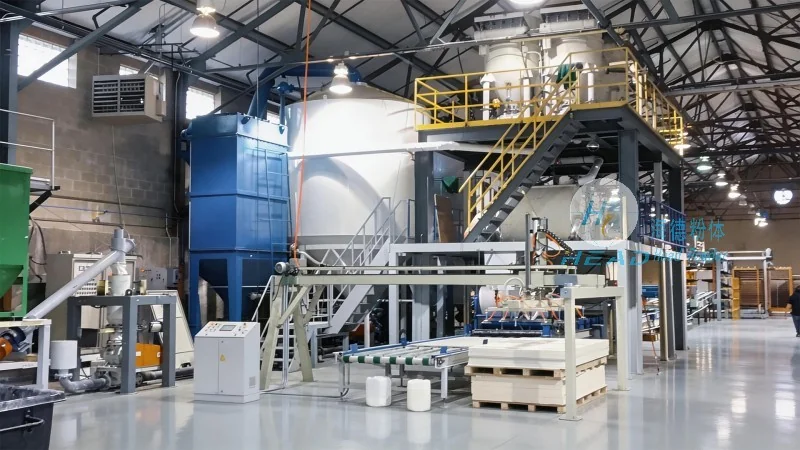
Understanding the Alumina Hydroxide Powder Pneumatic Conveying System
At its core, a pneumatic conveying system for alumina hydroxide powder is a closed-loop or open-loop system engineered to transport dry powders through a network of pipes using compressed air or other gases. The system is specifically designed to address the unique properties of alumina hydroxide, including its fine particle size (typically 1-100 microns), hygroscopic nature, and potential for dust generation. By leveraging fluid dynamics and material handling principles, this system eliminates the need for mechanical components like belts or buckets, minimizing contamination risks and operational complexity while maintaining high material integrity.
Key Components of the Pneumatic Conveying System
The alumina hydroxide powder pneumatic conveying system comprises several essential elements, each critical to its operation. These components include the material feed hopper, which stores the powder and regulates flow rates; the air compressor or blower, which generates the necessary pressure to move the material; the conveying line, usually constructed from stainless steel or other corrosion-resistant materials to prevent powder degradation; the control valves, which manage air flow and pressure; and the discharge device, which delivers the powder to its final destination. Additional components may include dust collection and filtration systems to maintain air quality and comply with environmental regulations.
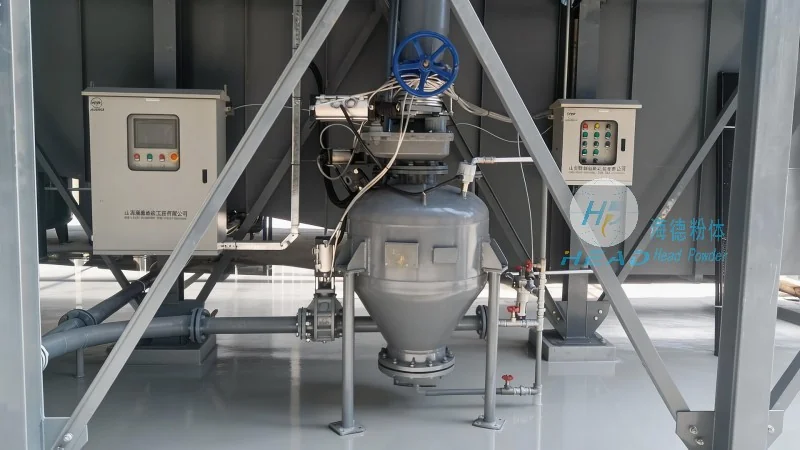
Design Principles for Optimal Material Handling
The design of an alumina hydroxide powder pneumatic conveying system is guided by several key principles aimed at maximizing performance, reliability, and safety. A primary consideration is the selection of the appropriate conveying method, categorized as dilute-phase or dense-phase. Dilute-phase systems utilize low air-to-material ratios, suitable for short distances and low to medium flow rates, while dense-phase systems employ higher air-to-material ratios, ideal for longer distances and higher flow rates, offering better control over material velocity and pressure. The choice depends on the powder's particle size distribution, bulk density, and flowability.
Another critical design principle involves the proper sizing of the conveying line and air compressor. The line diameter and length must be calculated to ensure air velocity remains within the optimal range for the powder's particle size, preventing clogging or excessive pressure drop. The air compressor must deliver sufficient pressure and volume to maintain desired conveying velocity, accounting for friction losses along the line and elevation changes. The system's control system, equipped with sensors and controllers, monitors parameters like pressure, flow rate, and material level to adjust air supply and feed rate dynamically.
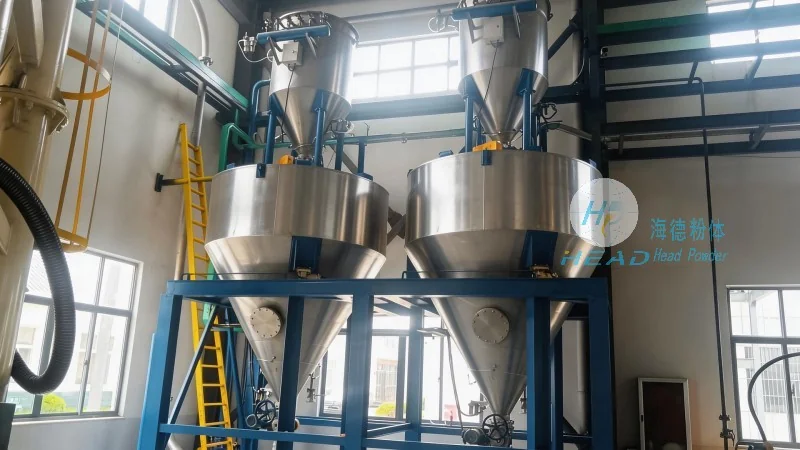
Material Handling Challenges and Solutions
Alumina hydroxide powder presents unique challenges due to its physical and chemical properties. Its fine particle size can lead to high dust generation and potential caking or agglomeration, impacting system performance. The hygroscopic nature means it can absorb moisture, altering flowability and causing blockages. To address these, the system incorporates anti-static coatings on the conveying line to prevent powder accumulation, moisture control mechanisms to maintain dryness, and regular maintenance schedules to ensure peak efficiency.
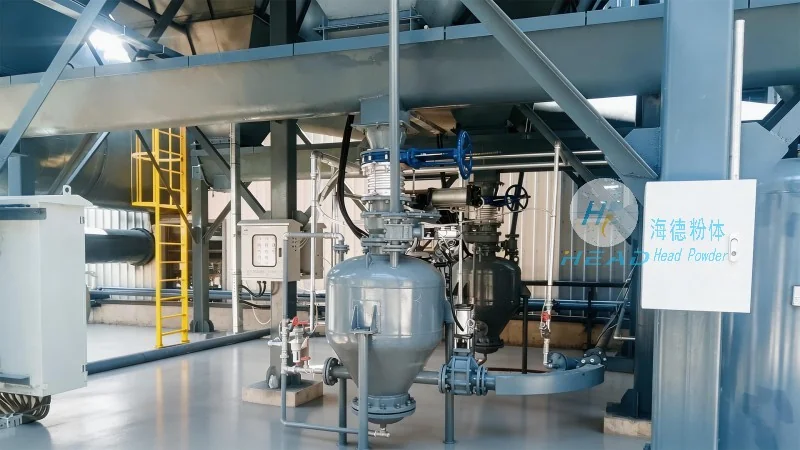
Industrial Applications and Relevance
The alumina hydroxide powder pneumatic conveying system is widely used in industries where the material serves as a raw ingredient or intermediate product, such as ceramics, refractories, pharmaceuticals, and chemical manufacturing. The system's closed environment minimizes contamination, ensuring product quality meets stringent standards. Its flexibility allows integration into existing production lines, providing cost-effective solutions for upgrading or expanding material handling capabilities.
Conclusion and Company Overview
In summary, the alumina hydroxide powder pneumatic conveying system is a sophisticated and essential technology in modern industrial material handling. Its design, rooted in fluid dynamics and material science, ensures efficient, safe, and reliable transport of the powder. The system's components—from the feed hopper to the discharge device—are engineered to handle the unique properties of alumina hydroxide, reducing risks of contamination, clogging, or operational failures. As a leading provider in this field, Shandong HeadPowder Engineering Co., Ltd. specializes in designing and manufacturing customized pneumatic conveying systems tailored to client needs, ensuring optimal performance and longevity. With a focus on quality and innovation, HeadPowder advances alumina hydroxide powder handling technology, supporting industries in achieving production goals with efficiency and precision.