

How are wheat conveyed?
Wheat, a staple crop with diverse applications in food, animal feed, and industrial processes, requires efficient and reliable conveying systems to move it from fields to processing facilities or storage. The choice of conveying method depends on factors such as grain type, volume, distance, and operational environment. This article explores the primary methods used for wheat conveying, highlighting the solutions offered by Shandong HeadPowder Engineering Co., Ltd., a leading provider in the field.
Understanding Wheat Conveying: Key Considerations
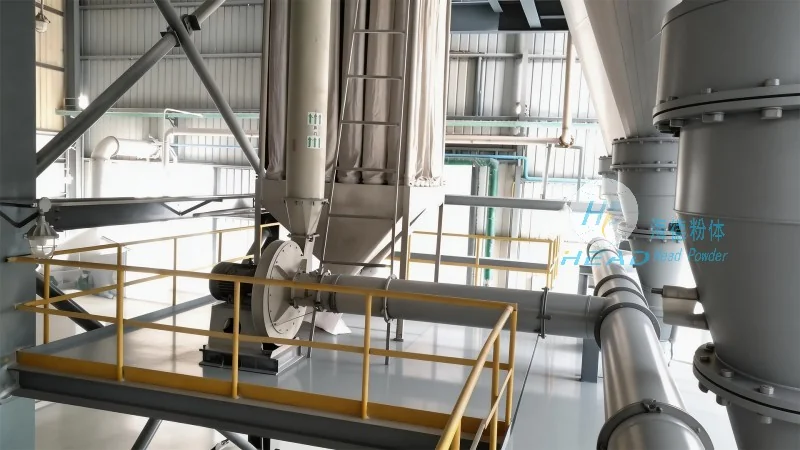
Before delving into specific conveying methods, it's essential to understand the key factors that influence the selection of equipment. Wheat, with its unique physical properties like size, moisture content, and density, demands systems that can handle bulk material movement without causing damage or segregation. The distance between the source (e.g., a combine harvester or storage silo) and the destination (e.g., a flour mill or warehouse) also plays a critical role in determining the most suitable conveying technology. Additionally, operational costs, maintenance requirements, and environmental considerations are vital aspects to evaluate when choosing a wheat conveying system.
Common Wheat Conveying Methods
Several methods are widely used in the agricultural and food processing industries for wheat conveying. Each method has its advantages and is suited to different scenarios. The most common options include belt conveyors, screw conveyors, bucket elevators, and pneumatic conveyors. Below is a detailed look at each method, with insights into how they function and their typical applications.
Belt Conveyors: The Workhorse of Bulk Material Handling
Belt conveyors are perhaps the most widely used equipment for wheat conveying due to their versatility and efficiency. These systems consist of a continuous belt that moves over rollers or pulleys, transporting wheat from one point to another. The belt can be made of various materials, such as rubber or plastic, depending on the grain's characteristics and the environment. Belt conveyors are particularly effective for long-distance transport, handling large volumes of wheat at a consistent speed. They are commonly employed in grain elevators, storage facilities, and processing plants. The design of belt conveyors can be customized to accommodate different slopes and heights, making them adaptable to various layouts. For instance, headpowder, a renowned manufacturer of conveying equipment, offers high-quality belt conveyors tailored to the specific needs of wheat handling, ensuring durability and minimal downtime.
Screw Conveyors: Compact and Efficient for Horizontal Transport
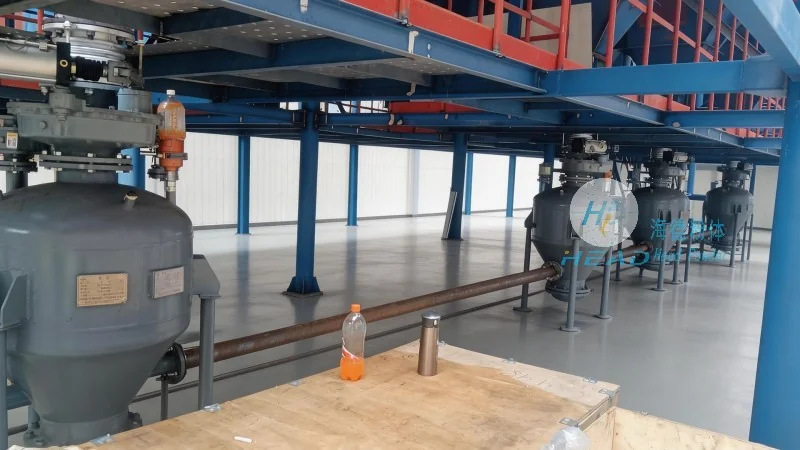
Screw conveyors, also known as auger conveyors, are ideal for horizontal or slight incline transport of wheat. These systems use a rotating screw (auger) inside a trough to move grain forward. The screw's rotation creates a pushing action, propelling wheat through the conveyor. Screw conveyors are compact and require less space compared to other methods, making them suitable for confined areas like storage silos or processing lines. They are particularly effective for handling dry wheat with low moisture content, as the screw's design minimizes the risk of material breakdown or clogging. However, they are less suitable for long vertical lifts or high-volume, high-speed applications. Headpowder's screw conveyors are engineered with robust materials and precise manufacturing to ensure smooth operation and efficient wheat transport, even in demanding conditions.
Bucket Elevators: Vertical Transport with High Capacity
Bucket elevators are specialized equipment designed for vertical or steep incline transport of wheat. These systems consist of a vertical or inclined conveyor with a series of buckets attached to a chain or belt. As the buckets move up the elevator, they scoop up wheat from a hopper and discharge it at the top. Bucket elevators are capable of handling large volumes of wheat at high speeds, making them ideal for applications where vertical movement is necessary, such as moving grain from a lower storage level to a higher processing facility. They are particularly effective in grain elevators and bulk handling operations. The design of bucket elevators allows for efficient use of vertical space, reducing the footprint of the conveying system. Headpowder provides reliable bucket elevators that are built to withstand the rigors of continuous operation, ensuring consistent performance and minimal maintenance.
Pneumatic Conveyors: Flexible and Durable for Specialized Needs
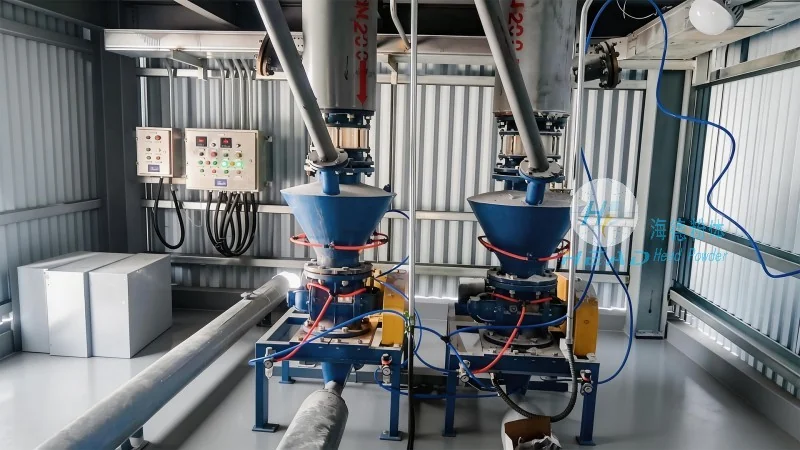
Pneumatic conveyors use air pressure to transport wheat through a pipeline system. These systems can be classified as either pressure or vacuum types, depending on the method of material movement. In pressure systems, air is forced through the pipeline, pushing wheat along. In vacuum systems, air is drawn through the pipeline, pulling wheat. Pneumatic conveyors are highly flexible, as they can be installed in various configurations, including horizontal, vertical, or even complex layouts with multiple bends. They are particularly useful for transporting wheat in environments where dust control is critical, such as in flour mills or food processing plants. However, they require careful design to prevent material degradation and ensure efficient air flow. Headpowder offers advanced pneumatic conveying solutions that are tailored to the specific requirements of wheat handling, providing reliable and efficient transport with minimal environmental impact.
Choosing the Right Wheat Conveying System: Factors to Consider
When selecting a wheat conveying system, several factors must be taken into account to ensure optimal performance and cost-effectiveness. The first consideration is the volume and type of wheat being handled. Different conveying methods are better suited for different grain characteristics, such as moisture content, size, and density. For example, belt conveyors are ideal for large volumes of dry wheat, while screw conveyors may be more appropriate for smaller batches or wetter grain. The distance and elevation changes between the source and destination are also critical. Long horizontal distances may require belt conveyors, while vertical lifts may necessitate bucket elevators. Operational costs, including energy consumption and maintenance, should be evaluated to ensure the chosen system is economically viable. Additionally, the space available for installation and any environmental regulations that may apply should be considered. By carefully assessing these factors, businesses can select the most suitable wheat conveying system that meets their specific needs.
Conclusion: Reliable Wheat Conveying Solutions from Headpowder
Efficient wheat conveying is essential for the smooth operation of agricultural and food processing operations. The choice of conveying method depends on various factors, including the grain's characteristics, the distance and elevation changes, and operational requirements. Shandong HeadPowder Engineering Co., Ltd., with its expertise in conveying equipment, offers a range of solutions tailored to the needs of wheat handling. Whether it's belt conveyors for long-distance transport, screw conveyors for horizontal movement, bucket elevators for vertical lifts, or pneumatic conveyors for flexible transport, headpowder provides high-quality, reliable equipment designed to ensure efficient and safe wheat conveying. By partnering with headpowder, businesses can enhance their operational efficiency, reduce costs, and ensure the quality of their wheat handling processes. With a commitment to quality and customer satisfaction, headpowder continues to be a trusted name in the industry, providing innovative solutions for wheat conveying and bulk material handling.