

How Are Coating Materials Transported?
When it comes to the efficient and reliable delivery of coating materials in industrial applications, understanding the various methods available is crucial. The choice of coating delivery system can significantly impact production efficiency, material quality, and overall operational costs. This article explores the primary methods used for transporting coatings, highlighting the key considerations and applications for each approach.
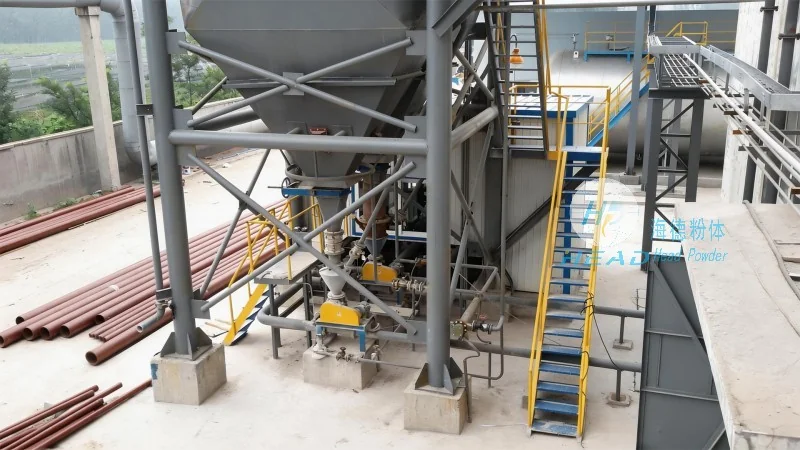
1. Pumping Systems: The Workhorse of Coating Delivery
Pumping systems are among the most common and versatile methods for transporting coating materials. These systems utilize mechanical pumps to move liquids or semi-liquids through pipelines or hoses. For high-viscosity coatings, such as epoxy or polyurethane systems, positive displacement pumps like gear pumps or plunger pumps are often employed. These pumps provide consistent pressure and flow rates, ensuring smooth material transfer even at elevated viscosities. The use of pumping systems allows for precise control over the coating's movement, making them ideal for applications requiring uniform thickness and consistent application. Additionally, pumping systems can be integrated with filtration and heating elements to maintain the coating's properties during transport.
2. Gravity Feed Systems: Simplified and Cost-Effective
Gravity feed systems rely on the natural force of gravity to move coating materials from a storage tank to the application point. This method is particularly suitable for low-viscosity liquids, such as water-based paints or thin oil-based coatings. The system typically consists of a vertical or inclined pipe connected to a storage tank, allowing the coating to flow downward under its own weight. While gravity feed systems are simpler and more cost-effective compared to pumping systems, they are limited by the height difference between the tank and the application point. This method is ideal for applications where the coating is stored at a higher elevation and the application point is lower, minimizing the need for additional energy input. However, for larger or more complex setups, gravity feed may not provide the necessary control or pressure to meet specific application requirements.
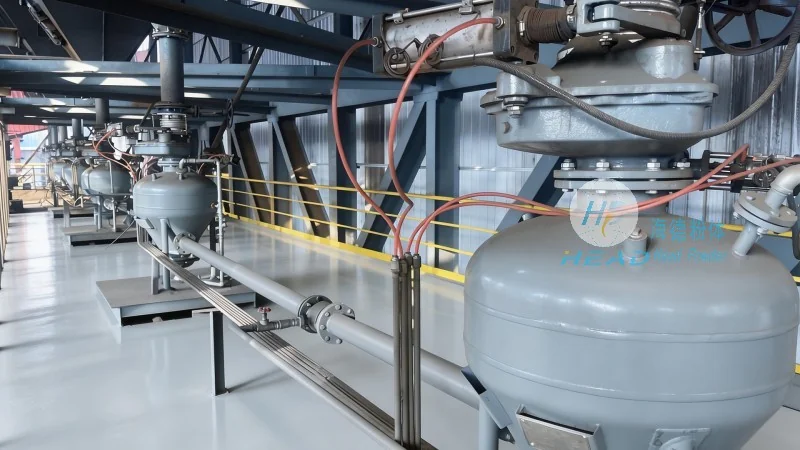
3. Pneumatic Conveying Systems: Air-Assisted Transport
Pneumatic conveying systems use compressed air to transport dry or powdered coating materials through a pipeline. This method is commonly used for transporting pigments, fillers, or other dry powders that need to be mixed with liquids or applied as dry coatings. The system operates by creating a pressure differential, where air is introduced at one end of the pipeline and the material is drawn along with the air stream. Pneumatic conveying can be either pressure or vacuum-based, depending on the application. This method offers advantages such as the ability to transport materials over longer distances and the flexibility to integrate with existing production lines. However, it requires careful control of air pressure and flow rates to prevent material degradation or blockages in the pipeline. Additionally, the system may need to include dust collection and filtration components to maintain air quality and prevent contamination.
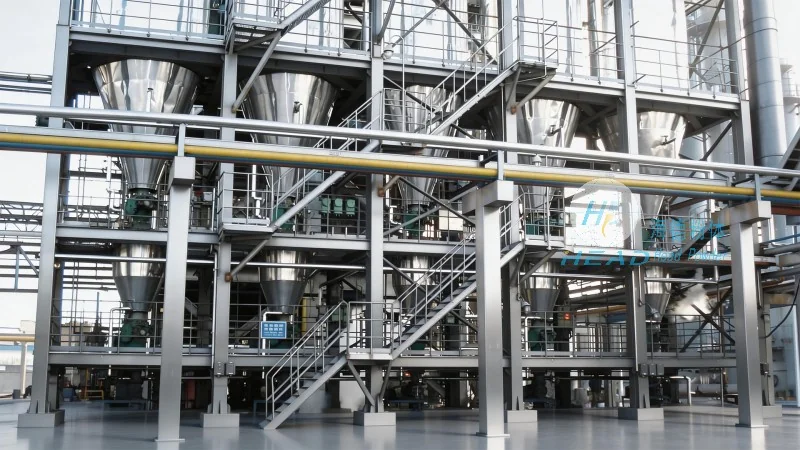
4. Mechanical Conveyors: Bulk Material Handling
For bulk quantities of coating materials, mechanical conveyors provide an efficient means of transport. These systems use belts, screws, or other mechanical components to move powders or granules from storage to processing or application areas. Screw conveyors, for example, are widely used in the coating industry to transport dry pigments or fillers. They consist of a rotating screw inside a tube, which pushes the material forward as it rotates. Belt conveyors are another option, suitable for larger, more uniform particles. Mechanical conveyors are particularly effective for handling abrasive or heavy materials, as they can withstand the wear and tear associated with such applications. The use of mechanical conveyors allows for continuous material flow, reducing downtime and improving overall productivity. However, these systems require regular maintenance to ensure smooth operation and prevent material buildup or blockages.
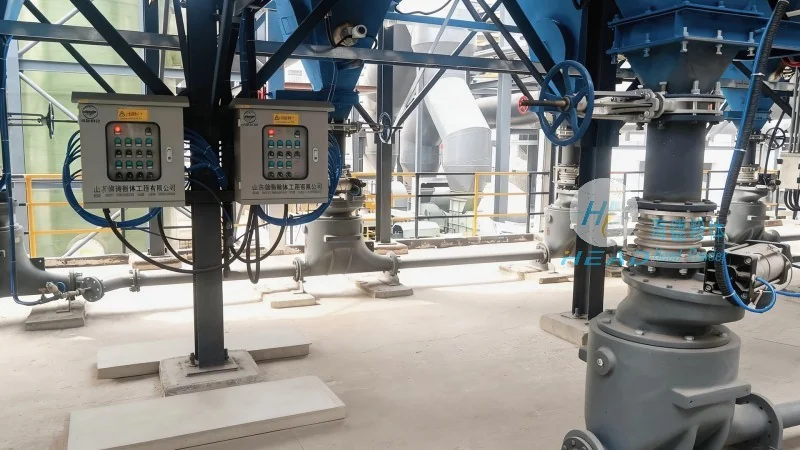
5. Integration with Control Systems: Enhancing Precision
Modern coating delivery systems often integrate with advanced control systems to enhance precision and efficiency. These systems may include sensors, flow meters, and programmable logic controllers (PLCs) that monitor and adjust the coating flow in real-time. For example, a PLC can be programmed to maintain a specific pressure or flow rate, ensuring consistent coating application even when production demands fluctuate. Additionally, integration with quality control systems allows for immediate feedback on coating properties, enabling adjustments to be made before defects occur. This level of automation not only improves the quality of the final product but also reduces waste and operational costs. Companies like Shandong HeadPowder Engineering Co., Ltd., based in Shandong, China, specialize in designing and manufacturing customized coating delivery systems that incorporate these advanced control features, tailored to the specific needs of their clients.
6. Choosing the Right Coating Delivery Method: Key Factors to Consider
The selection of an appropriate coating delivery method depends on several factors, including the type of coating, viscosity, application requirements, and operational environment. High-viscosity coatings typically require pumping systems for reliable transport, while low-viscosity liquids may be suitable for gravity feed. Dry powders or bulk materials often benefit from pneumatic or mechanical conveying systems. Additionally, the scale of the operation, available space, and budget constraints play a significant role in the decision-making process. It is essential to evaluate the pros and cons of each method, considering factors such as energy consumption, maintenance requirements, and material compatibility. Consulting with experts, such as those at Shandong HeadPowder Engineering Co., Ltd., can provide valuable insights into the most suitable system for a particular application, ensuring optimal performance and cost-effectiveness.