

What is an Additive Powder Pneumatic Conveying Machine? What are its Design Principles?
HeadPowder, a leading manufacturer based in Shandong, China, specializes in advanced powder handling solutions. Among their product line is the additive powder pneumatic conveying machine, a critical equipment for efficient material transport in various industrial applications. This article explores the fundamental aspects of this machine, including its design principles and operational significance.
Understanding the Additive Powder Pneumatic Conveying Machine
The additive powder pneumatic conveying machine is a sophisticated system designed to transport dry powders and granules through a pressurized or vacuum pipeline. Unlike traditional mechanical conveyors, this equipment utilizes air or gas as the conveying medium, enabling seamless movement of materials without direct contact. HeadPowder's machines are engineered to handle a wide range of additives, including chemical powders, food ingredients, and pharmaceuticals, ensuring precision and reliability in material transfer.
Key Design Principles of the Pneumatic Conveying System
The design of an additive powder pneumatic conveying machine is governed by several core principles that ensure optimal performance and efficiency. First, the system must maintain consistent air pressure and flow rates to prevent material degradation or blockages. HeadPowder incorporates advanced pressure control mechanisms, such as variable frequency drives and pressure sensors, to regulate airflow dynamically. Second, the machine is designed with a focus on minimizing material degradation, which is crucial for sensitive additives. The use of smooth, corrosion-resistant pipelines and gentle material handling components reduces friction and impact, preserving the integrity of the conveyed powder.

Components and Operational Mechanism
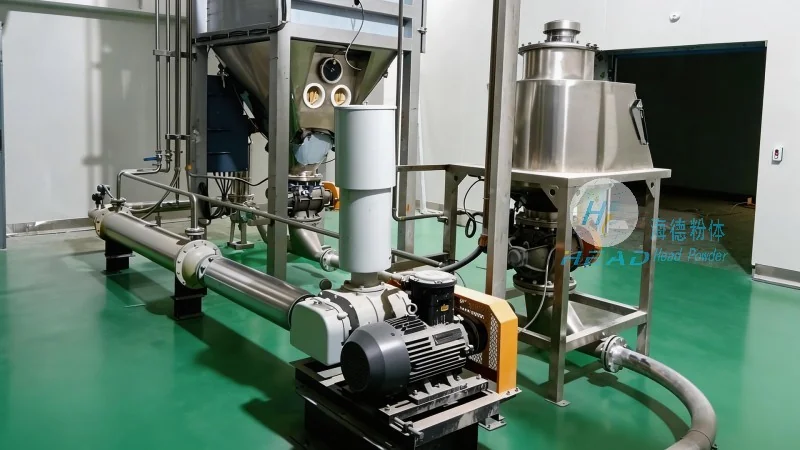
HeadPowder's additive powder pneumatic conveying machines consist of several key components that work in tandem to achieve efficient material transport. The primary components include a feeding hopper, a conveying pipeline, a pressure vessel or vacuum pump, and a discharge unit. The feeding hopper is designed to store and meter the powder into the system, ensuring a steady flow. The pipeline, typically made of stainless steel or other durable materials, transports the powder using compressed air or vacuum. The pressure vessel or vacuum pump generates the necessary pressure or vacuum to move the material through the pipeline. The discharge unit then releases the powder at the destination point, completing the conveying process.
Advantages of Using a Pneumatic Conveying Machine for Additives
Implementing an additive powder pneumatic conveying machine offers numerous advantages over traditional conveying methods. One of the most significant benefits is the ability to transport materials over long distances without the need for multiple transfer points. This reduces downtime and labor costs associated with manual handling. Additionally, the system is highly flexible, allowing for changes in material type or processing requirements without extensive modifications. The enclosed pipeline design also minimizes dust emissions, improving workplace safety and compliance with environmental regulations. For industries dealing with sensitive additives, the gentle handling and low contamination risk make pneumatic conveying an ideal choice.
Applications in Industrial Settings
The additive powder pneumatic conveying machine is widely used across various industries due to its versatility and efficiency. In the chemical industry, it is used to transport raw materials and finished products, ensuring a continuous production process. The food and beverage industry benefits from the system's ability to handle food-grade additives while maintaining hygiene standards. In the pharmaceutical sector, the equipment's ability to minimize contamination and preserve material integrity is critical for producing high-quality medications. Other applications include the handling of agricultural additives, such as fertilizers and pesticides, and in the manufacturing of plastics and ceramics.
Maintenance and Operational Considerations
Proper maintenance is essential to ensure the longevity and efficiency of an additive powder pneumatic conveying machine. HeadPowder recommends regular inspections of the pipeline for blockages or wear, as well as cleaning of the feeding hopper and discharge unit to prevent material buildup. The pressure system should be checked for leaks and pressure fluctuations regularly. Additionally, the use of appropriate filters and separators helps maintain air quality and prevent dust accumulation in the system. By adhering to these maintenance practices, users can maximize the operational life of the machine and minimize downtime.
Conclusion
HeadPowder's additive powder pneumatic conveying machine is a reliable and efficient solution for transporting additives in various industrial applications. By adhering to the core design principles of pressure control, material handling, and system flexibility, this equipment ensures optimal performance and minimal material degradation. With its wide range of applications and robust construction, the machine is an essential asset for industries seeking to enhance their material handling processes. Based in Shandong, China, HeadPowder continues to innovate and provide high-quality solutions tailored to the needs of their clients.