

What is a Calcite Powder Pneumatic Conveying Machine? What Are Its Design Principles?
Calcite powder pneumatic conveying machines are specialized equipment designed to transport calcite powder through a pneumatic system. These machines are essential in industries where calcite powder is a key raw material, such as in the production of plastics, coatings, and construction materials. The primary function of a calcite powder pneumatic conveying machine is to move calcite powder from a storage silo or hopper to a processing unit efficiently and without the need for mechanical components that might cause contamination or wear.
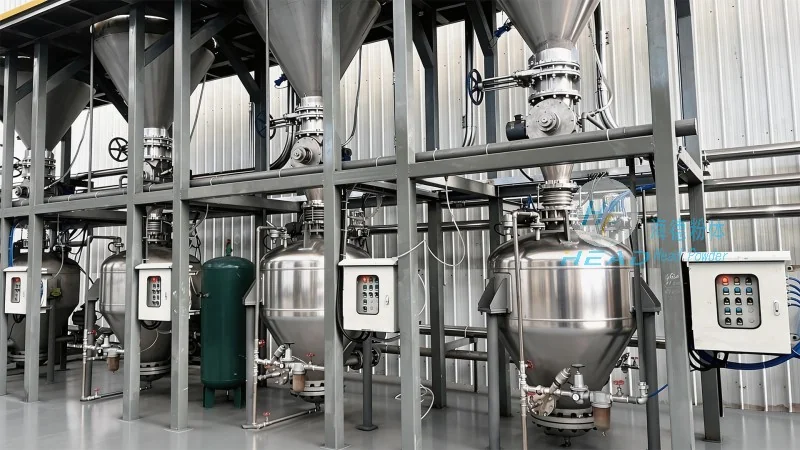
Understanding the Core Function of Calcite Powder Pneumatic Conveying Machines
At the heart of a calcite powder pneumatic conveying machine is the ability to transport fine powders like calcite through a pressurized or vacuum system. The machine typically consists of a hopper where the calcite powder is stored, a conveyor pipe, and a control system that regulates the flow of the powder. The process begins when the calcite powder is introduced into the hopper, and then it is drawn or pushed through the conveyor pipe by air pressure or vacuum. This method ensures that the calcite powder is transported without direct contact with mechanical parts, which is crucial for maintaining the purity and quality of the powder, especially in applications where contamination could affect the final product's performance.
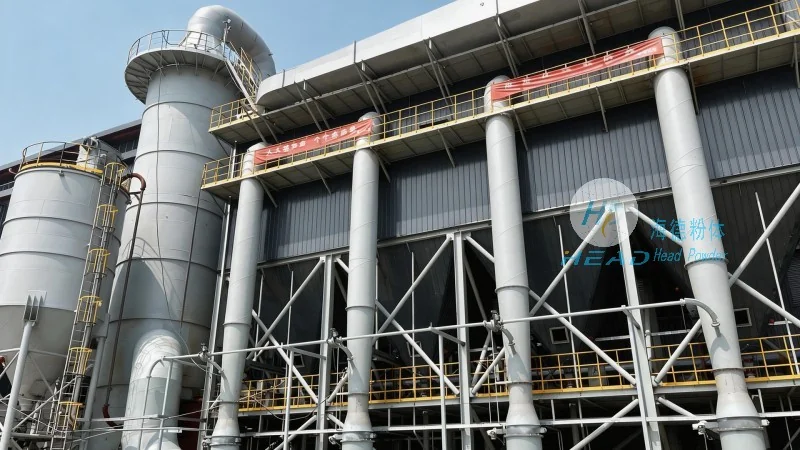
The Design Principles Behind Calcite Powder Pneumatic Conveying Machines
The design of a calcite powder pneumatic conveying machine is based on several key principles to ensure efficient and reliable operation. One of the fundamental principles is the use of a closed system to prevent dust emissions and maintain a clean working environment. The machine is typically equipped with a dust collection system that captures any particles that might escape during the conveying process, ensuring compliance with environmental regulations and maintaining a safe workplace. Another critical design principle is the selection of appropriate materials for the hopper, conveyor pipe, and other components. Since calcite powder can be abrasive, the equipment is often made from materials like stainless steel or high-grade plastic to withstand the wear and tear from the powder. Additionally, the design considers the flow characteristics of calcite powder, which can vary depending on particle size, moisture content, and density. Engineers must account for these variables to optimize the conveying velocity and pressure, ensuring that the powder moves smoothly without clogging or creating excessive pressure drops.
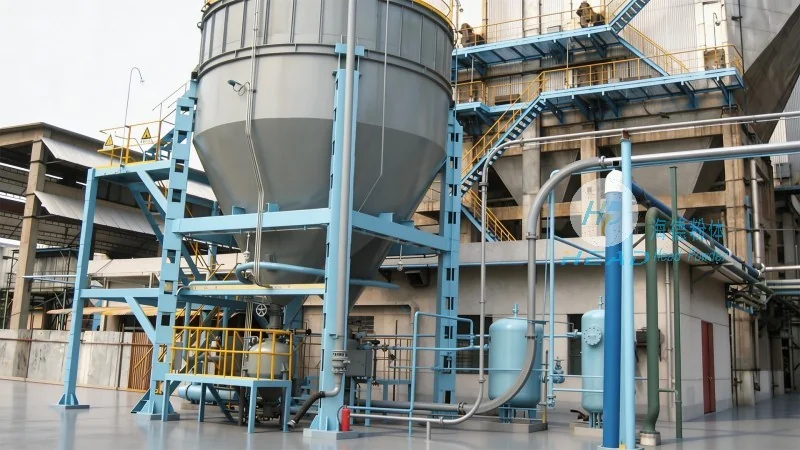
Key Components and Their Roles in a Calcite Powder Pneumatic Conveying Machine
A calcite powder pneumatic conveying machine consists of several key components, each playing a vital role in the overall operation. The first component is the hopper, which serves as the storage and feeding unit for the calcite powder. The hopper is designed with a wide opening to allow easy loading of the powder and a smooth transition to the conveyor pipe. The second component is the conveyor pipe, which is the main channel through which the calcite powder is transported. The pipe is typically made of flexible or rigid material, depending on the application, and is equipped with valves and regulators to control the flow of air and powder. The third component is the air supply system, which provides the necessary pressure or vacuum to move the powder through the pipe. This system includes a blower or vacuum pump, a filter to remove any contaminants from the air, and a pressure regulator to maintain consistent pressure. The fourth component is the control system, which monitors and adjusts the operation of the machine. This system includes sensors to measure the flow rate of the powder and the pressure in the system, as well as controls to adjust the air flow and powder feed rate as needed. The final component is the dust collection system, which captures any particles that escape during the conveying process and returns them to the hopper or disposes of them safely.
How the Design Principles Are Applied in Practice
The design principles of a calcite powder pneumatic conveying machine are applied in practice through careful engineering and testing. For example, the selection of materials for the hopper and conveyor pipe is based on the specific properties of the calcite powder, such as its abrasiveness and moisture content. Engineers may conduct tests to determine the optimal material and thickness for the components to ensure they can withstand the conditions without failing. The control system is designed to provide real-time monitoring of the machine's operation, allowing operators to adjust the settings as needed to maintain optimal performance. Additionally, the dust collection system is integrated into the design to ensure that all particles are captured and returned to the system, preventing environmental contamination and maintaining a clean workplace. The overall design of the machine is also optimized for energy efficiency, with the air supply system and control system working together to minimize energy consumption while maintaining the required conveying capacity.
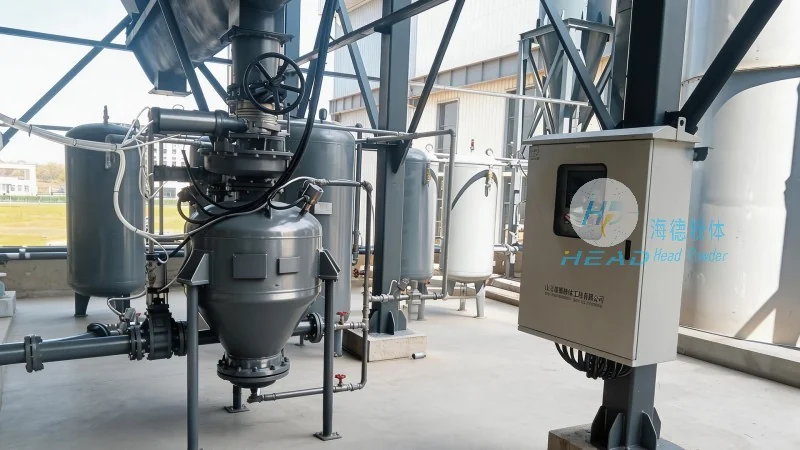
Benefits of Using a Calcite Powder Pneumatic Conveying Machine
Using a calcite powder pneumatic conveying machine offers several benefits for industries that rely on calcite powder. The primary benefit is the ability to transport the powder efficiently and without contamination. Since the powder is not in direct contact with mechanical parts, there is no risk of cross-contamination or introduction of foreign materials into the product. This is particularly important in industries where the quality of the calcite powder is critical, such as in the production of high-performance plastics or coatings. Another benefit is the reduced risk of dust emissions, which can be a health hazard and an environmental concern. The closed system design of the machine ensures that all particles are captured and returned to the system, preventing dust from escaping into the air. Additionally, the machine is designed to be compact and easy to install, which can save space and reduce installation costs. The control system also allows for easy operation and maintenance, with sensors and controls that provide real-time information about the machine's performance. This makes it easier for operators to monitor the machine and perform routine maintenance, reducing downtime and increasing productivity.