

What is an Expanded Clay Aggregate Powder Pneumatic Conveying Machine? And What Are Its Design Princ
When it comes to efficiently transporting bulk materials like expanded clay aggregate powder, pneumatic conveying systems have become a crucial solution in various industrial applications. This article delves into the specifics of an expanded clay aggregate powder pneumatic conveying machine, exploring its design principles and the technology behind its operation.
Understanding the Expanded Clay Aggregate Powder Pneumatic Conveying Machine
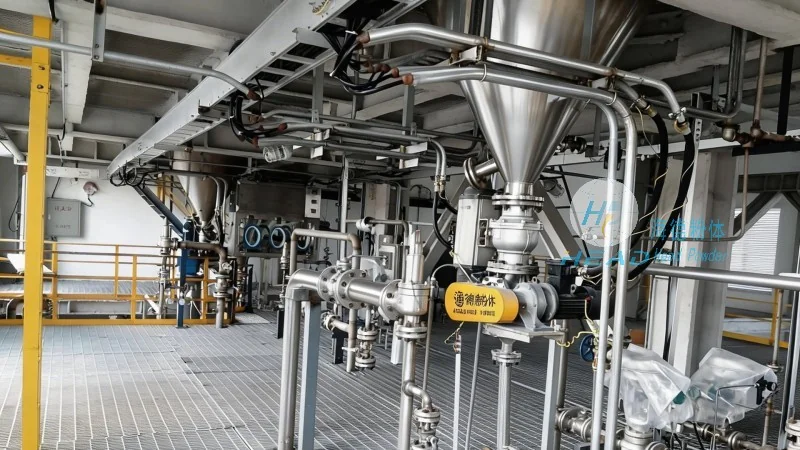
An expanded clay aggregate powder pneumatic conveying machine is a specialized equipment designed to transport fine powders, such as expanded clay aggregate, through a pipeline using air or gas as the conveying medium. Unlike traditional mechanical conveyors, this system relies on the force of air to move the material, making it particularly suitable for handling materials that are prone to dust, require a dust-free environment, or need to be transported over long distances without degradation.
Key Components and Design Principles
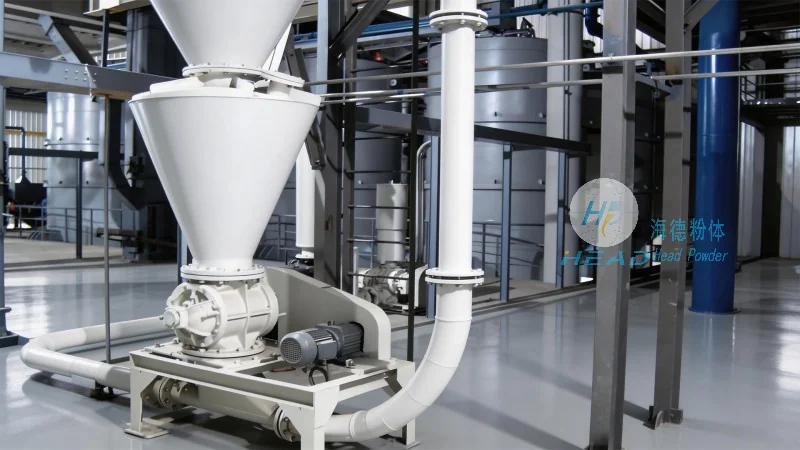
The design of an expanded clay aggregate powder pneumatic conveying machine is centered around several critical components that work in harmony to ensure efficient and reliable material transport. The primary components include a feeding system, a conveying pipeline, a pressure vessel or receiver, and a control system. The feeding system is responsible for introducing the powder into the system, often using a rotary valve or a feeder that can handle the specific characteristics of expanded clay aggregate, such as its fine particle size and potential for caking. The conveying pipeline is typically made of materials resistant to corrosion and abrasion, such as stainless steel or special plastics, to withstand the abrasive nature of the powder and the pressure of the conveying air. The pressure vessel or receiver is where the material is collected and stored before further processing or distribution. It is designed to maintain the required pressure and prevent material loss or contamination. The control system monitors and regulates the flow of air and material, ensuring optimal performance and safety.
The Role of Air Pressure and Flow Rate in Conveying
A critical aspect of the design principles is the management of air pressure and flow rate. The conveying process relies on creating a sufficient pressure differential between the feeding point and the discharge point. The air pressure is typically generated by a blower or a fan, which supplies the necessary force to move the powder particles. The flow rate of the air is carefully controlled to ensure that the powder particles are suspended and transported efficiently without causing excessive wear on the equipment or creating blockages. The design must consider the particle size distribution, density, and moisture content of the expanded clay aggregate, as these factors influence the required air velocity and pressure to achieve effective conveying. For example, finer particles may require higher air velocities to maintain suspension, while larger particles may need higher air pressure to overcome the gravitational forces.
Advantages of Using a Pneumatic Conveying System for Expanded Clay Aggregate
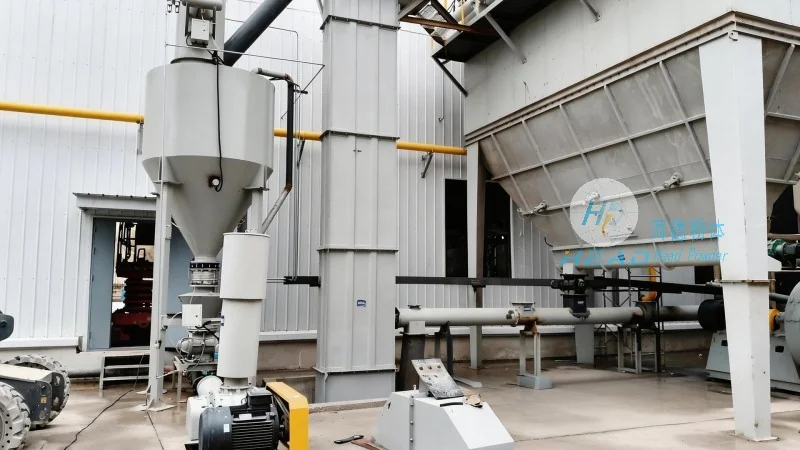
Implementing an expanded clay aggregate powder pneumatic conveying machine offers several advantages over traditional conveying methods. One of the most significant benefits is the ability to handle the material in a dust-free environment, which is essential for maintaining product quality and ensuring workplace safety. Unlike mechanical conveyors that can generate dust and cause contamination, pneumatic systems can transport the powder without exposing it to the air, reducing the risk of dust explosions and improving overall hygiene. Additionally, pneumatic conveying allows for the transportation of materials over long distances with minimal loss, as the material remains contained within the pipeline. This is particularly beneficial for applications where the material needs to be moved from a production area to a storage or processing facility. The system also provides flexibility in terms of layout, as the pipeline can be installed in various configurations, including vertical, horizontal, or a combination of both, to suit the specific requirements of the facility. Furthermore, the design of the system can be customized to handle different particle sizes and flow rates, making it adaptable to various production needs.
Applications and Industries
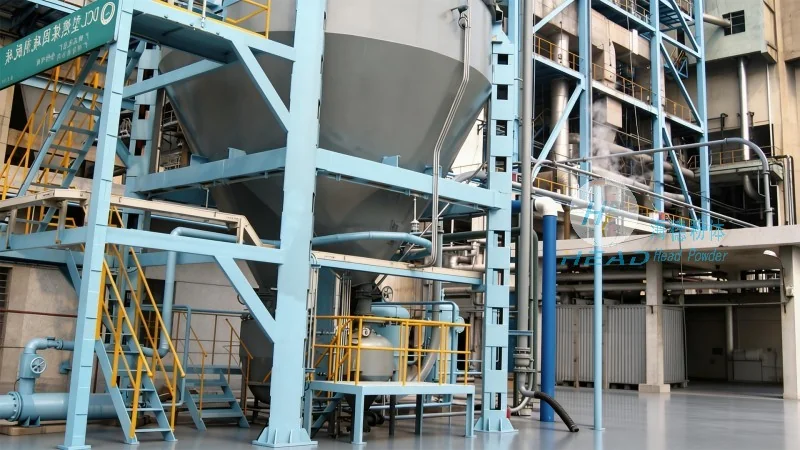
The expanded clay aggregate powder pneumatic conveying machine is widely used in various industries that rely on the efficient handling of fine powders. These include the construction industry, where expanded clay aggregate is used as a lightweight aggregate in concrete and other building materials. The machine is also used in the manufacturing of insulation materials, where the powder needs to be transported to mixing and processing equipment. Additionally, it is employed in the chemical and pharmaceutical industries for the handling of various powders, including those used in the production of coatings, adhesives, and other chemical products. The versatility of the system makes it suitable for a wide range of applications, from small-scale operations to large industrial plants.
Conclusion
In conclusion, the expanded clay aggregate powder pneumatic conveying machine is a sophisticated piece of equipment that leverages pneumatic technology to efficiently transport fine powders. Its design principles, centered around the management of air pressure and flow rate, ensure that the material is conveyed safely and effectively. The system offers numerous advantages over traditional conveying methods, including dust-free operation, long-distance transport, and flexibility in layout. As the demand for efficient material handling increases, this technology continues to play a vital role in various industries, enabling the smooth and reliable operation of production processes. For companies in need of such equipment, understanding the design and functionality of the pneumatic conveying machine is essential to selecting the right solution for their specific needs.