

What is a Calcium Phosphate Powder Pneumatic Conveying Machine? And What Are Its Design Principles?
Calcium phosphate is a widely used inorganic compound in various industrial applications, including pharmaceuticals, food processing, and chemical manufacturing. The efficient and safe handling of calcium phosphate powder is crucial for maintaining product quality and operational efficiency. One of the key technologies for this purpose is the pneumatic conveying machine, which uses air or gas to transport powder materials through a pipeline system. This article explores the concept of a calcium phosphate powder pneumatic conveying machine, its design principles, and the factors that influence its performance, with a focus on the solutions provided by Shandong HeadPowder Engineering Co., Ltd.
Understanding the Calcium Phosphate Powder Pneumatic Conveying Machine
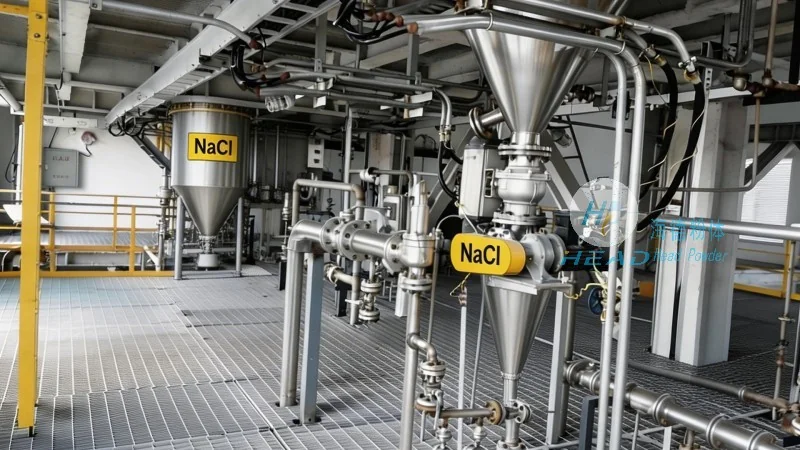
A calcium phosphate powder pneumatic conveying machine is a specialized equipment designed to transport calcium phosphate powder from a source to a destination using a pressurized or suction air system. The machine operates by creating a flow of air or gas that carries the powder particles through a pipeline network. This method offers several advantages over traditional mechanical conveying systems, such as reduced material degradation, lower maintenance requirements, and the ability to handle materials in a closed environment, minimizing dust emissions and contamination risks. Shandong HeadPowder Engineering Co., Ltd. specializes in developing such systems that meet the stringent requirements of industries dealing with calcium phosphate powder.
Key Components of the Pneumatic Conveying System
The calcium phosphate powder pneumatic conveying machine typically consists of several key components that work together to ensure efficient material transport. These components include a feeding device, a conveying line (usually made of stainless steel or other corrosion-resistant materials), a pressure or vacuum source, a control system, and a discharge device. The feeding device is responsible for introducing the powder into the conveying line, while the pressure or vacuum source provides the necessary force to move the material through the system. The control system monitors and regulates the flow rate and pressure to maintain optimal performance. The discharge device then collects the powder at the destination point. The company’s engineers design these components with precision, ensuring durability and reliability for long-term operation.
Design Principles and Considerations
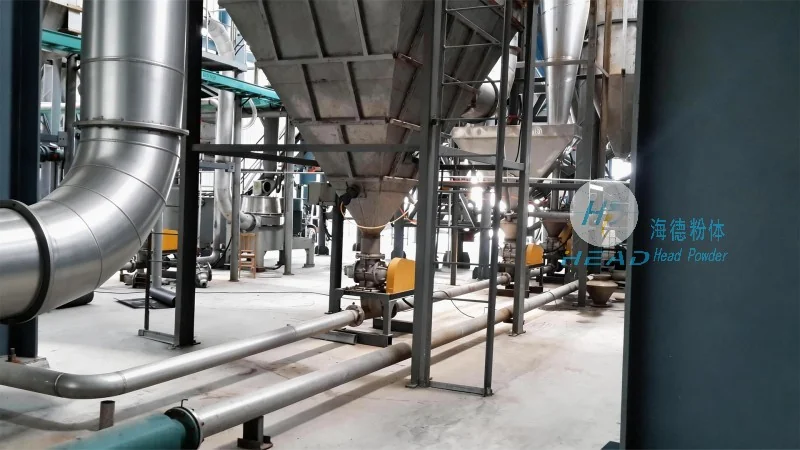
The design of a calcium phosphate powder pneumatic conveying machine involves several critical principles and considerations to ensure reliable operation and material integrity. One of the primary factors is the selection of the appropriate conveying method, which can be either pressure or vacuum-based. Pressure conveying uses compressed air to push the powder forward, while vacuum conveying uses a vacuum to pull the material. The choice between these methods depends on the distance, height, and material characteristics. For calcium phosphate powder, which is often fine and abrasive, pressure conveying is commonly preferred as it provides better control over the flow and reduces the risk of particle degradation. Shandong HeadPowder Engineering Co., Ltd. considers these factors in its design process to deliver systems that are tailored to specific operational needs.
Another important design consideration is the material of construction. Since calcium phosphate can be corrosive or abrasive, the conveying system must be made of materials that can withstand these conditions. Stainless steel is a common choice due to its corrosion resistance and durability. The pipeline design also plays a crucial role, as it must be smooth and free of sharp edges to prevent material buildup and clogging. Additionally, the system must be equipped with appropriate filters and cleaning mechanisms to maintain the purity of the powder and prevent system blockages. The company’s commitment to quality ensures that all components are manufactured to meet industry standards and customer specifications.
Operational Efficiency and Maintenance
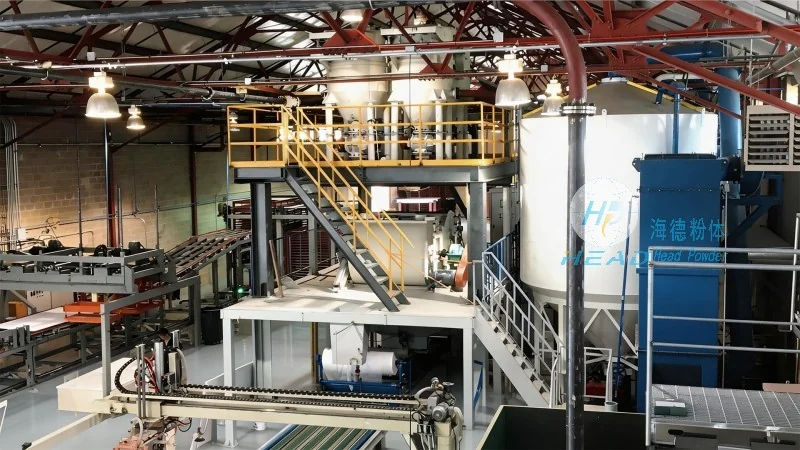
Operational efficiency is a key aspect of the calcium phosphate powder pneumatic conveying machine's design. The system is designed to minimize energy consumption while ensuring consistent material flow. This is achieved through optimized air flow rates, proper sizing of the conveying line, and efficient control systems. Regular maintenance is also essential to ensure the longevity and performance of the equipment. This includes cleaning the pipelines and filters, checking for leaks, and inspecting the components for wear and tear. Proper maintenance can significantly reduce downtime and operational costs, making the system a cost-effective solution for calcium phosphate powder handling. Shandong HeadPowder Engineering Co., Ltd. provides comprehensive maintenance services to support its customers and maximize the equipment's lifespan.
Applications and Benefits
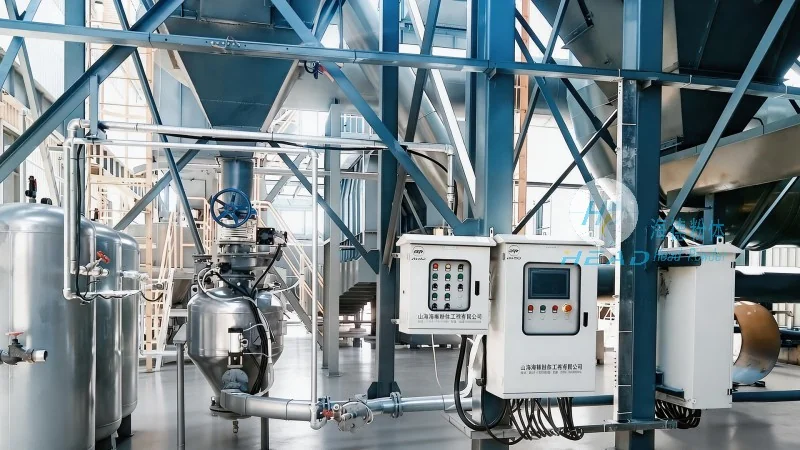
The calcium phosphate powder pneumatic conveying machine is widely used in various industries due to its versatility and efficiency. In the pharmaceutical industry, it is used to transport calcium phosphate powders for drug formulation, ensuring that the material is handled in a sterile and controlled environment. In the food processing industry, it is used to transport calcium phosphate as a food additive, maintaining product quality and safety. In chemical manufacturing, it is used to transport calcium phosphate for various chemical processes, such as the production of fertilizers or other chemical compounds. The benefits of using this machine include improved product quality, reduced material loss, and enhanced safety through the closed system design. Shandong HeadPowder Engineering Co., Ltd. has successfully implemented these systems in numerous projects, helping clients achieve higher productivity and lower operational costs.
Conclusion
In conclusion, the calcium phosphate powder pneumatic conveying machine is a vital piece of equipment for efficiently and safely handling calcium phosphate powder in various industrial applications. Its design principles, which include the selection of appropriate conveying methods, material construction, and system controls, are crucial for ensuring optimal performance and material integrity. The machine offers several benefits over traditional conveying systems, including reduced material degradation, lower maintenance requirements, and improved safety. As a result, it is an essential technology for industries that rely on calcium phosphate powder in their production processes. Shandong HeadPowder Engineering Co., Ltd. continues to innovate and provide advanced solutions to meet the evolving needs of its customers, ensuring that they have access to reliable and efficient equipment for their calcium phosphate powder handling requirements.