

What is a Silicon Carbide Powder Pneumatic Conveying System? And What Are Its Design Principles?
Silicon carbide (SiC) is a widely used industrial material known for its exceptional hardness, thermal stability, and chemical resistance. In many manufacturing processes, SiC powder needs to be transported efficiently and reliably from one location to another. This is where a silicon carbide powder pneumatic conveying system comes into play. These systems are designed to handle the unique properties of SiC powder, ensuring safe and effective material transfer. Let's explore what these systems are and the design principles that make them effective.
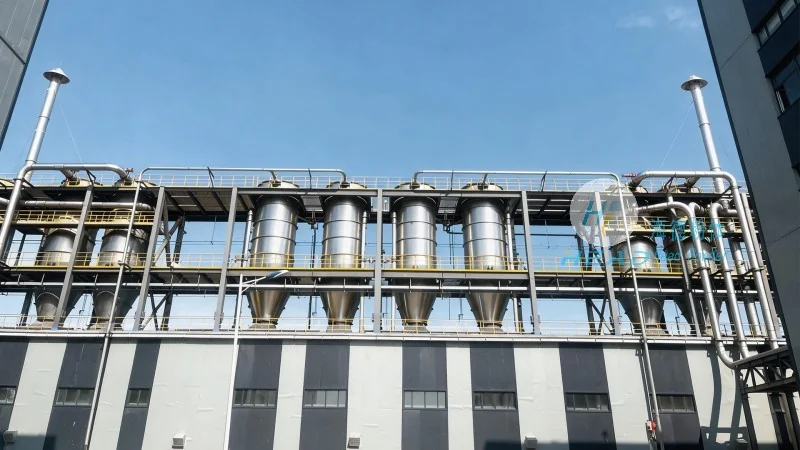
Understanding Silicon Carbide Powder Pneumatic Conveying Systems
A silicon carbide powder pneumatic conveying system is a type of equipment used to transport fine powders, such as silicon carbide, through a pipeline using compressed air or other gas. The system typically consists of a hopper for storing the powder, a feeder to control the flow rate, a conveying line, and a receiver to collect the material at the destination. The core of the system is the pneumatic conveying mechanism, which uses the pressure of the gas to move the powder particles through the pipeline. This method is particularly advantageous for SiC powder because it avoids the need for mechanical components that could cause wear or contamination, which are common issues with traditional bulk material handling methods.
Key Design Principles for Efficient SiC Powder Conveying
The design of a silicon carbide powder pneumatic conveying system must consider several critical factors to ensure optimal performance. First, the system must be able to handle the abrasive nature of SiC powder, which can cause significant wear on equipment if not properly managed. To address this, the system often incorporates materials with high wear resistance, such as hardened steel or special alloys, in components like the hopper, feeder, and pipeline. Second, the system must maintain a consistent flow rate to prevent clogging or uneven material distribution. This is achieved through precise control of the air pressure and flow rate, often using advanced control systems that monitor and adjust parameters in real-time. Third, the system needs to minimize dust generation and ensure proper filtration to comply with environmental regulations and maintain a safe working environment. This is typically accomplished by using sealed hoppers and efficient dust collection systems.
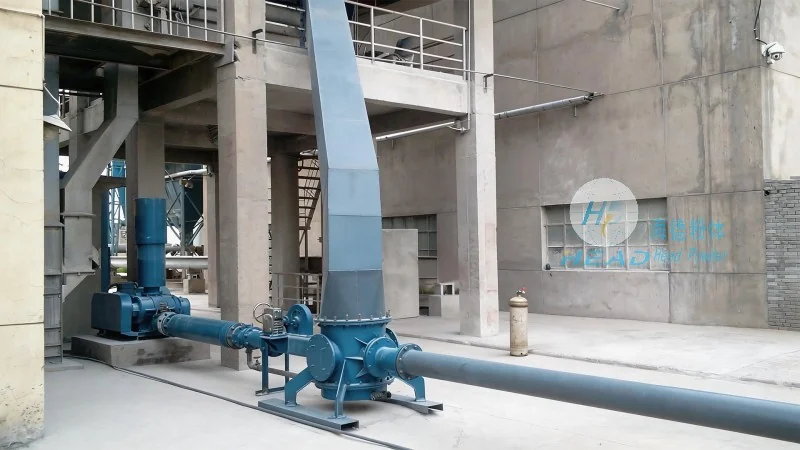
How the System Works: A Step-by-Step Overview
The operation of a silicon carbide powder pneumatic conveying system involves several key steps. First, the SiC powder is loaded into the storage hopper. The feeder then controls the flow of powder into the conveying line, ensuring a steady stream. Compressed air is introduced into the pipeline, creating a pressure differential that propels the powder particles forward. The powder travels through the pipeline to the receiver, where it is deposited. The system may also include a filter to capture any fine particles that escape, preventing contamination and ensuring the material remains clean. This process is continuous and can be automated to handle large volumes of SiC powder efficiently.
Advantages of Using a Pneumatic Conveying System for SiC Powder
There are several advantages to using a pneumatic conveying system for silicon carbide powder. One of the most significant is the ability to transport the material without direct contact with mechanical components, which reduces wear and extends the lifespan of the equipment. This is particularly important for SiC powder, which is highly abrasive and can quickly damage traditional conveyors. Another advantage is the flexibility of the system, as it can be easily reconfigured to handle different powder types or flow rates. Additionally, pneumatic conveying systems are generally more hygienic and easier to clean than other methods, making them suitable for applications where material purity is critical. Finally, these systems can be integrated with other manufacturing processes, such as mixing or coating, to create a seamless production line.
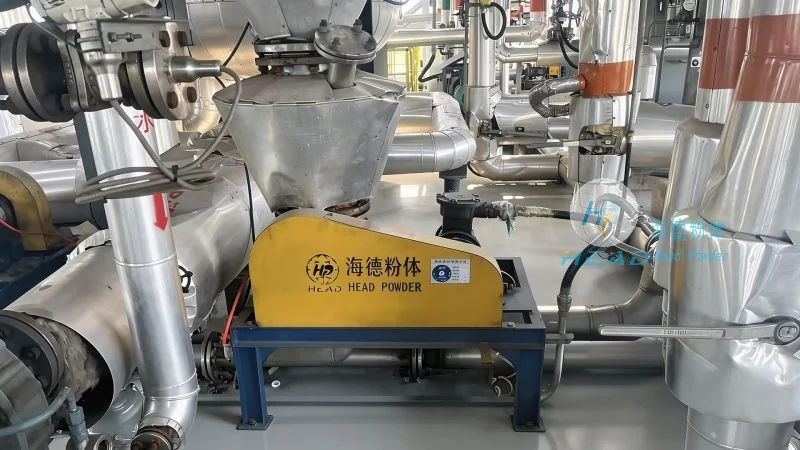
Applications of Silicon Carbide Powder Pneumatic Conveying Systems
Silicon carbide powder pneumatic conveying systems are used in a variety of industries where SiC is a key material. In the semiconductor industry, SiC is used to produce high-power electronic components, and the conveying system ensures that the powder is delivered to the manufacturing line without contamination. In the refractory industry, SiC is used to make high-temperature bricks and other products, and the system helps transport the powder to the production facilities. In the automotive industry, SiC is used in brake pads and other components, and the system facilitates the delivery of the powder to the manufacturing plants. In all these applications, the efficiency and reliability of the pneumatic conveying system are crucial to maintaining production quality and minimizing downtime.
Conclusion: The Importance of Proper Design and Implementation
In conclusion, a silicon carbide powder pneumatic conveying system is a critical piece of equipment for industries that rely on SiC powder. The design principles that govern these systems are focused on handling the unique properties of SiC, such as its hardness and abrasive nature, while ensuring efficient and safe material transfer. By incorporating advanced materials and control systems, these systems can provide reliable performance and extend the lifespan of the equipment. For companies like Shandong HeadPowder Engineering Co., Ltd., based in China, the development and implementation of such systems are essential to meeting the growing demand for SiC powder in various industrial applications. The company's expertise in designing and manufacturing these systems ensures that clients receive high-quality equipment tailored to their specific needs.