

What is a Caustic Soda Powder Pneumatic Conveying Machine? And What Are Its Design Principles?
Caustic soda, also known as sodium hydroxide (NaOH), is a widely used chemical in various industrial processes, including chemical manufacturing, water treatment, and paper production. The safe and efficient handling of caustic soda powder is crucial due to its caustic nature and potential hazards during transport. Pneumatic conveying machines offer a reliable solution for transporting caustic soda powder from storage to processing units, ensuring minimal contact with human operators and reducing the risk of spills or contamination.
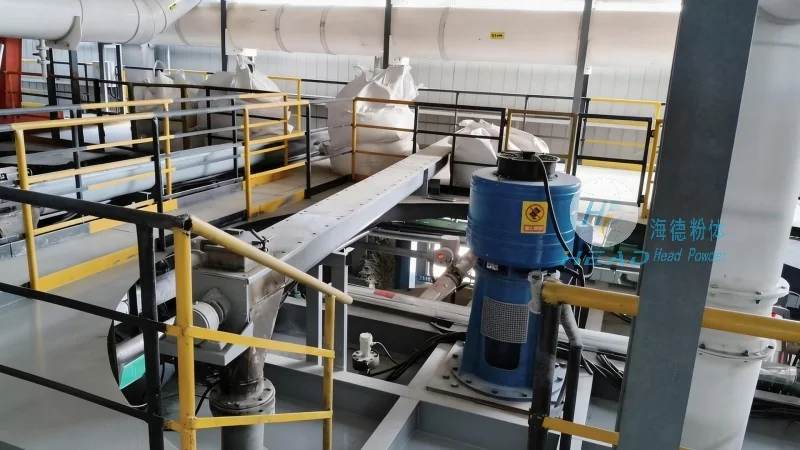

What is a Pneumatic Conveying System for Caustic Soda Powder?
A pneumatic conveying system for caustic soda powder is a mechanical device that uses compressed air or other gases to transport dry powder materials through a pipeline. Unlike traditional bulk material handling methods like belt conveyors or screw conveyors, pneumatic conveyors can handle fine powders like caustic soda without the need for mechanical components that might cause clogging or wear. The system typically consists of a hopper for material storage, a feeder to control the flow rate, a conveying line, and a receiver where the material is deposited. The air flow can be generated by a blower or a vacuum pump, creating either positive pressure (blow-through) or negative pressure (suction) to move the powder.
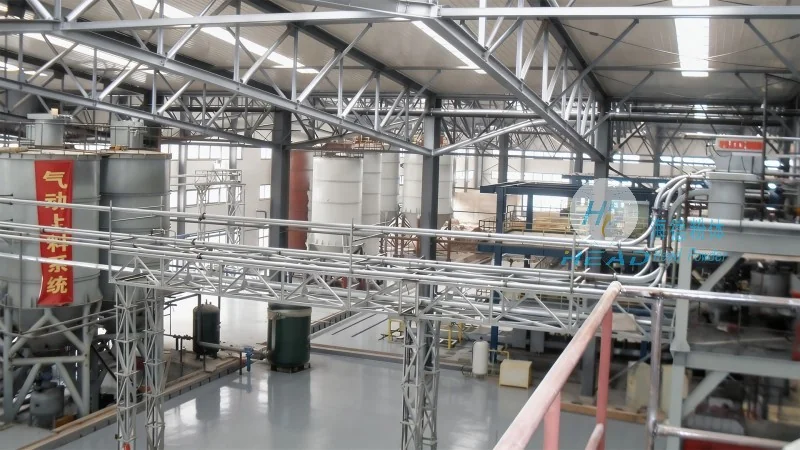
Key Design Principles of Caustic Soda Powder Pneumatic Conveying Machines
The design of a caustic soda powder pneumatic conveying machine focuses on several critical principles to ensure efficient operation and safety. First, the system must be constructed from materials that are resistant to corrosion and chemical attack, as caustic soda is highly alkaline and can degrade many metals. Common materials include stainless steel (such as 316L) and special alloys designed for chemical processing, as these materials can withstand the harsh chemical environment without rusting or degrading over time. Second, the conveying velocity must be optimized to prevent particle segregation and ensure uniform flow. Excessive velocity can cause particle attrition and increase wear on the system components, while insufficient velocity may lead to blockages or poor mixing. The optimal velocity is typically determined through laboratory testing and process simulation, considering factors like particle size, density, and moisture content. Third, the system should incorporate effective dust control measures, as fine caustic soda powder can be hazardous if inhaled. This includes dust collection systems and sealed components to minimize airborne particles, ensuring compliance with occupational health and safety regulations. Fourth, the design must consider the specific properties of caustic soda powder, such as its density (approximately 2.13 g/cm³), flowability, and moisture content, as these factors affect the required air pressure and flow rate. Proper material testing and process simulation are essential to determine the optimal design parameters, ensuring the system operates efficiently without excessive energy consumption.
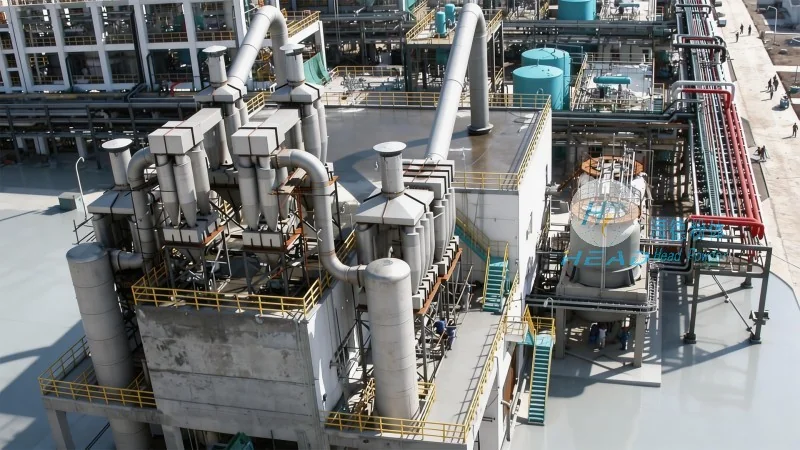
Components and Operation of the Pneumatic Conveying System
The core components of a caustic soda powder pneumatic conveying machine include the material hopper, rotary valve feeder, air compressor or vacuum pump, conveying pipeline, and material receiver. The hopper is designed to hold a sufficient quantity of caustic soda powder and is equipped with a level indicator to monitor the material inventory. The rotary valve feeder controls the discharge rate of the powder from the hopper, ensuring a consistent flow into the conveying line. The air compressor or vacuum pump generates the necessary pressure or vacuum to move the powder through the pipeline. The conveying pipeline is typically made of stainless steel and is designed with smooth, rounded bends to minimize friction and prevent particle accumulation. The material receiver is a sealed container where the caustic soda powder is deposited, often equipped with a discharge valve for further processing. During operation, the feeder opens to allow a controlled amount of powder to enter the pipeline, and the air flow from the compressor pushes the powder along the line to the receiver. The system may also include a filter to remove any fine particles from the exhaust air, protecting the environment and ensuring compliance with air quality regulations.