

What is a Continuous Powder Pneumatic Conveying System? What Are Its Design Principles?
Continuous powder pneumatic conveying systems represent a sophisticated method for transporting bulk solid materials through a pipeline using pressurized air or other gas. Unlike traditional batch or intermittent systems, these systems operate in a continuous mode, offering advantages such as improved efficiency, reduced product degradation, and enhanced process control. The core of this technology lies in the seamless transfer of powders from the source to the destination, making it indispensable in industries like pharmaceuticals, food processing, and chemical manufacturing where material integrity is paramount. These systems are particularly beneficial in applications where maintaining the purity and consistency of the powder is critical, as they minimize exposure to external contaminants and prevent the segregation of particles that can occur in traditional handling methods. By automating the material transfer process, continuous systems also reduce labor costs and improve overall operational safety, as human intervention is minimized in the handling of potentially hazardous powders.

Key Design Principles of Continuous Powder Pneumatic Conveying Systems
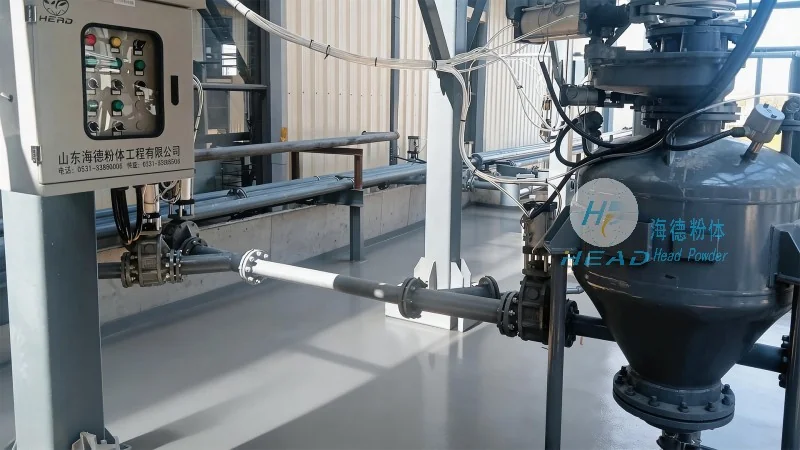
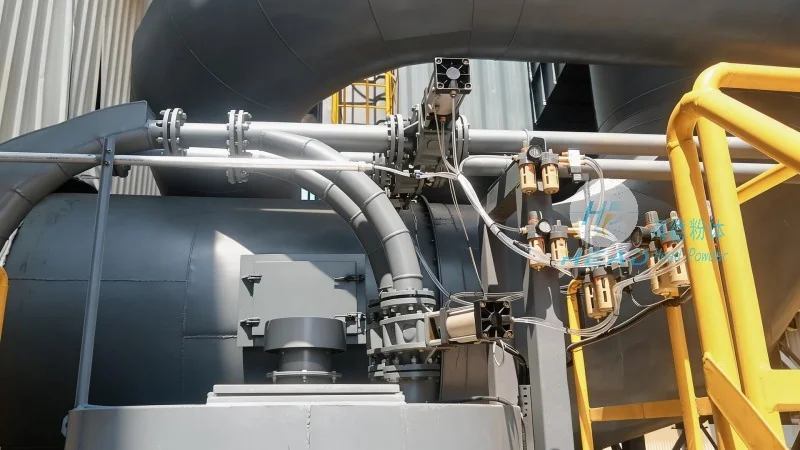
The design of a continuous powder pneumatic conveying system involves several critical principles that ensure optimal performance and reliability. First, the system must maintain a consistent flow rate of the powder, which is achieved through precise control of air pressure and velocity. This is typically managed using variable frequency drives (VFDs) and pressure regulators to adjust the air flow dynamically based on the material characteristics and pipeline length. For instance, when transporting fine powders with high moisture content, the system may require higher air velocities to prevent caking or blockages, whereas coarse materials may operate at lower velocities to reduce energy consumption. Second, the system incorporates specialized components such as feeders, ducts, and separation equipment to handle the unique properties of powders, including their density, flowability, and particle size distribution. Rotary feeders are commonly used to provide a steady stream of material, ensuring a uniform flow rate that prevents surges or gaps in the pipeline. The choice of duct material—such as stainless steel, plastic, or aluminum—depends on the chemical compatibility of the powder and the operating conditions, with stainless steel being preferred for corrosive materials and food-grade applications. Additionally, the system must address issues like pressure drop and material buildup, which can be mitigated through the use of pulse jet cleaning or the incorporation of expansion joints in the pipeline. These features help maintain the system's efficiency over time and reduce the need for frequent maintenance, thereby extending the operational lifespan of the equipment.
How Shandong HeadPowder Engineering Co., Ltd. Specializes in Continuous Powder Pneumatic Conveying Systems
Shandong HeadPowder Engineering Co., Ltd., a leading provider in the field, leverages decades of expertise to design and manufacture high-quality continuous powder pneumatic conveying systems. With a headquarters in Shandong, China, the company focuses on delivering customized solutions tailored to the specific needs of clients across various industries. HeadPowder's team of engineers employs advanced computational fluid dynamics (CFD) and material testing to optimize system performance, ensuring that each installation meets the highest standards of efficiency and durability. The company's products are designed to handle a wide range of powders, from fine pharmaceutical powders to coarse industrial materials, and are equipped with features like temperature control and dust collection to maintain product quality and environmental compliance. By prioritizing innovation and customer satisfaction, HeadPowder has established itself as a trusted partner for businesses seeking reliable and efficient powder handling solutions. The company's commitment to quality is reflected in its adherence to international standards, such as ISO 9001, and its rigorous testing protocols that ensure every system is validated for performance before delivery. Furthermore, HeadPowder offers comprehensive after-sales support, including installation, training, and maintenance services, to help clients maximize the return on their investment and minimize downtime. This holistic approach to service has made HeadPowder a preferred choice for industries that demand precision and reliability in their material handling processes.