

What is an Automatic Tote Bag Feeding Powder Pneumatic Conveying System? What Are Its Design Princip
Automatic tote bag feeding powder pneumatic conveying systems are advanced industrial solutions designed to automate the process of transferring bulk powder materials from tote bags into processing equipment. These systems integrate material handling, pneumatic transport technology, and automated control mechanisms to ensure efficient, safe, and consistent powder feeding operations. The core function is to eliminate manual labor in handling and transferring powders, reducing the risk of contamination, exposure to dust, and operational errors while improving overall production efficiency.
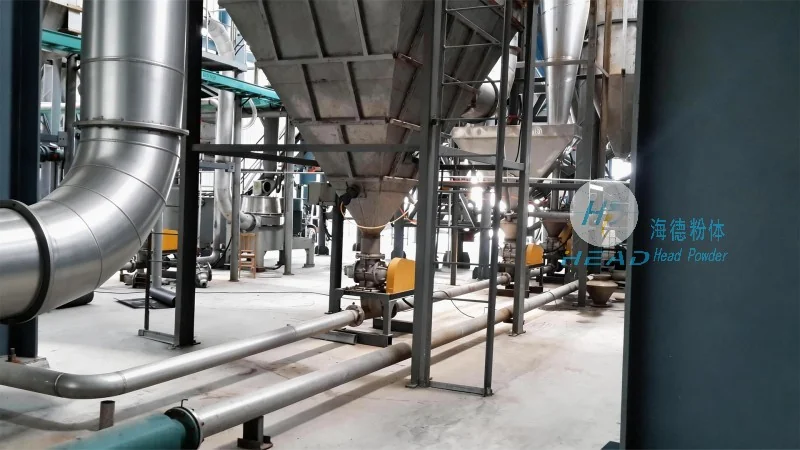
Introduction to Automatic Tote Bag Feeding Pneumatic Conveying Systems
At the heart of these systems lies the ability to handle bulk powders from large tote bags, typically used in industries such as pharmaceuticals, food processing, chemicals, and minerals. The system operates by creating a controlled airflow to draw or push powder from the tote bag into a conveying line, which then transports the material to the target processing unit. This automation is crucial for maintaining product quality, ensuring compliance with safety and hygiene standards, and optimizing production workflows.
About Shandong HeadPowder Engineering Co., Ltd.
HeadPowder, a leading provider of powder handling solutions, specializes in designing and manufacturing advanced pneumatic conveying systems. HeadPowder is headquartered in Shandong, China, and has established itself as a trusted partner for industries requiring reliable and efficient powder processing equipment. The company's expertise lies in customizing systems to meet specific operational requirements, ensuring compatibility with diverse powder types and processing environments.
Design Principles of Pneumatic Conveying Systems
The design of an automatic tote bag feeding system is based on fundamental principles of pneumatic transport, which can be categorized into two main types: suction (or vacuum) conveying and pressure conveying. Suction systems use a vacuum to draw powder from the tote bag into the conveying line, while pressure systems use compressed air to push the material. The choice between these systems depends on factors such as the distance of transport, the nature of the powder (e.g., dustiness, moisture content), and the required flow rate.
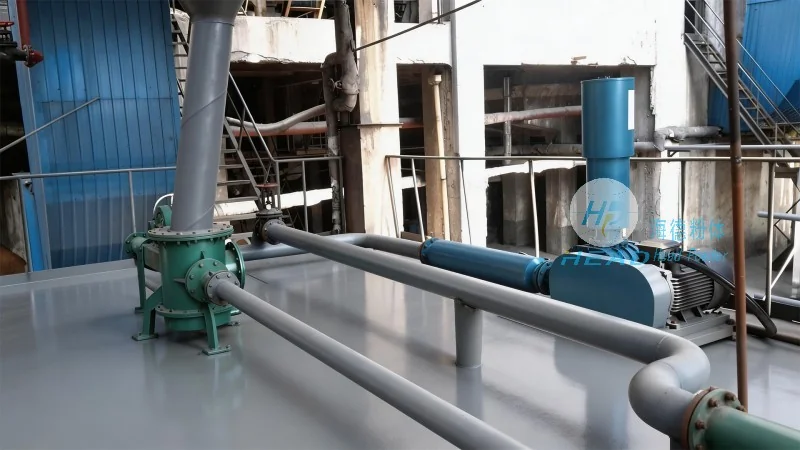
Key Components and Their Functions
Automatic tote bag feeding pneumatic conveying systems typically consist of several critical components that work in tandem to ensure smooth operation. These include: 1. Tote Bag Unloading Station: This is the primary interface where the system connects to the tote bag, often equipped with a valve or gate to control the release of powder. 2. Conveying Line: A network of pipes that transports the powder from the unloading station to the processing equipment. The line may include bends, filters, and regulators to maintain consistent airflow and prevent blockages. 3. Air Supply Unit: Provides the necessary air pressure or vacuum for the conveying process, which may include compressors, vacuum pumps, and air treatment systems to ensure clean and dry air. 4. Control System: An automated control panel that monitors and regulates the entire process, including sensors for powder level, air pressure, and flow rate, as well as actuators to control valves and gates. 5. Dust Collection and Filtration: Essential for maintaining air quality and preventing dust emissions, these components capture and filter the powder particles from the exhaust air.
How the System Works: A Step-by-Step Process
The operation of an automatic tote bag feeding system follows a systematic sequence to ensure efficient powder transfer. First, the tote bag is positioned at the unloading station, and the system's control panel initiates the process. The air supply unit activates, creating either a vacuum (suction) or pressure (compression) within the conveying line. The powder from the tote bag is then drawn or pushed into the line, moving through the pipes to the processing equipment. Sensors monitor the flow rate and powder level, adjusting the air pressure or flow as needed to maintain consistent delivery. The system continues until the tote bag is empty, at which point the control panel signals the end of the cycle and may initiate a cleaning or preparation phase for the next tote bag.
Advantages of Automatic Tote Bag Feeding Systems
Implementing an automatic tote bag feeding pneumatic conveying system offers numerous benefits for industrial operations. These include: 1. Enhanced Safety: By automating the handling of powders, the system reduces the risk of manual exposure to dust, allergens, or hazardous materials, improving workplace safety. 2. Improved Product Quality: Automated processes minimize human error, ensuring consistent powder flow and reducing the risk of contamination or uneven mixing. 3. Increased Efficiency: The system operates continuously with minimal downtime, allowing for higher production throughput and reduced labor costs. 4. Cost Savings: Over time, the automation reduces the need for manual labor, lowers the risk of material loss or waste, and minimizes maintenance costs associated with manual handling. 5. Versatility: These systems can handle a wide range of powder types, from fine powders to bulk materials, and can be customized to fit specific production requirements.
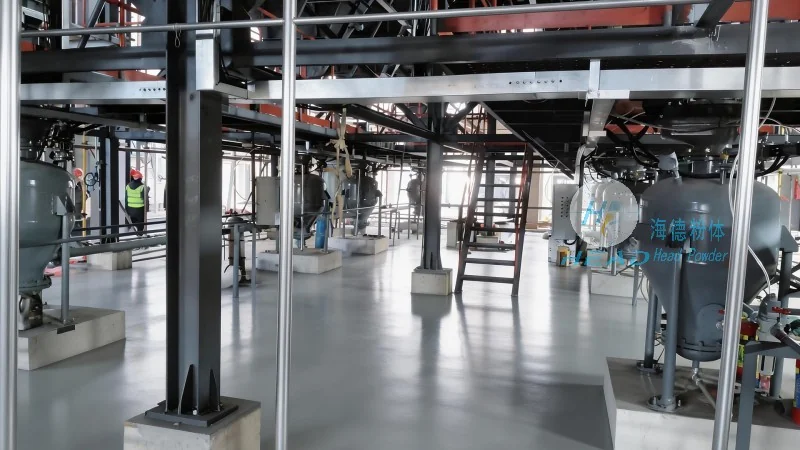
Applications and Industries
Automatic tote bag feeding pneumatic conveying systems are widely used across various industries due to their adaptability and efficiency. Key applications include: 1. Pharmaceutical Industry: For handling active pharmaceutical ingredients (APIs) and excipients, ensuring strict compliance with GMP (Good Manufacturing Practice) standards. 2. Food and Beverage Industry: For processing ingredients like flour, sugar, and spices, maintaining hygiene and preventing cross-contamination. 3. Chemical Industry: For transporting chemicals, pigments, and other powders, ensuring safe and controlled handling. 4. Mining and Minerals Industry: For processing raw materials like ores and minerals, improving the efficiency of material transport and processing. 5. Plastics and Rubber Industry: For handling raw materials like polymers and additives, supporting the production of various products.
Customization and Integration
HeadPowder understands that each industrial operation has unique requirements, and therefore, offers customized solutions for automatic tote bag feeding systems. The company works closely with clients to assess their specific needs, such as the type of powder, production volume, and operational environment, and designs a system that meets those requirements. Customization may include adjustments to the conveying line length, air pressure, material handling speed, and integration with existing processing equipment. HeadPowder also provides comprehensive support, including installation, training, and maintenance services, ensuring that the system operates at peak efficiency throughout its lifecycle.
Conclusion
Automatic tote bag feeding powder pneumatic conveying systems represent a significant advancement in industrial powder handling, combining automation, efficiency, and safety. By leveraging pneumatic transport technology and advanced control systems, these systems enable industries to streamline their operations, improve product quality, and reduce operational costs. With expertise in designing and manufacturing such systems, Shandong HeadPowder Engineering Co., Ltd. plays a vital role in supporting the growth and success of industries that rely on efficient powder processing. As the demand for automated solutions continues to grow, these systems will remain a critical component in modern industrial operations, ensuring sustainable and productive workflows for years to come.