

[Pneumatic Conveying of Battery Cathode Material Powder: What It Is and Its Design Principles]
Battery cathode materials are critical components in modern energy storage systems, and their efficient handling is essential for the production and processing of lithium-ion batteries. One of the key technologies used to transport these fine powders is pneumatic conveying. This method involves using a stream of air or other gas to move solid particles through a pipeline, offering advantages such as low maintenance, flexibility, and the ability to handle materials in a closed system. Understanding the principles behind this technology is vital for optimizing battery manufacturing processes.
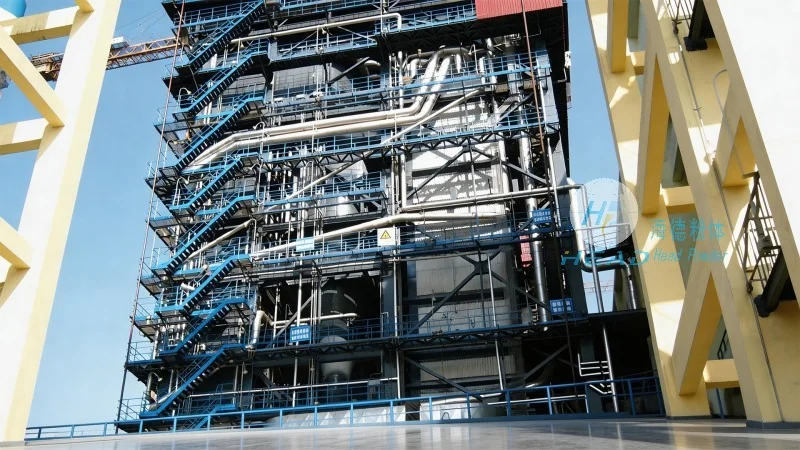
Components and Design Principles of Pneumatic Conveying Systems
The design of a pneumatic conveying system for battery cathode materials typically involves several key components. The system starts with a feeding device, which may include a hopper or a rotary valve to control the flow of powder into the pipeline. The conveying line itself is usually made of stainless steel or other corrosion-resistant materials to prevent contamination and ensure durability. At the end of the line, a separation unit (such as a cyclone or bag filter) is used to separate the powder from the air stream, allowing for the recovery of the material and the release of clean air. A control system monitors and adjusts parameters like pressure, flow rate, and particle concentration to maintain optimal performance.
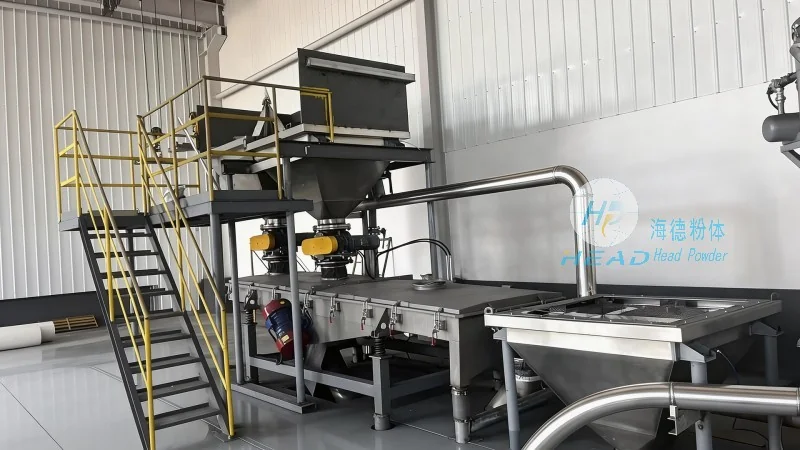
Key Design Considerations for Battery Cathode Material Conveying
When designing a pneumatic conveying system for battery cathode materials, several factors must be considered to ensure efficiency and reliability. The first is the physical properties of the powder, including particle size distribution, density, and flowability. Fine powders with high surface area may require higher air velocities to prevent clogging or agglomeration. The distance and layout of the conveying line also impact the system design, as longer distances may necessitate higher pressure or multiple stages of conveying. Additionally, the system must be designed to minimize material loss and prevent contamination, which is critical for battery-grade materials that must meet strict purity standards. Safety considerations, such as explosion-proof designs for flammable materials, are also essential in industrial applications.
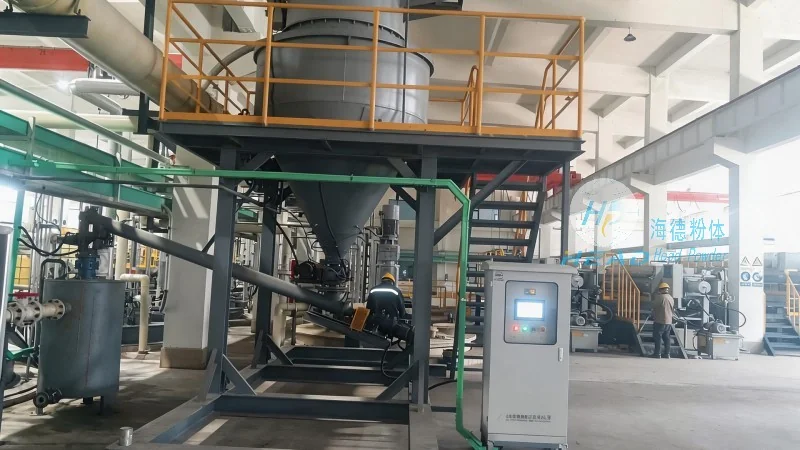
HeadPowder's Expertise in Pneumatic Conveying Solutions
Shandong HeadPowder Engineering Co., Ltd., commonly known as HeadPowder, specializes in the engineering and manufacturing of pneumatic conveying systems tailored to the needs of the battery industry. With years of experience in handling fine powders, the company understands the unique challenges of battery cathode materials and designs systems that address these challenges effectively. HeadPowder's solutions are customized to meet specific production requirements, including varying material types, throughput rates, and plant layouts. The company's engineers work closely with clients to analyze their material characteristics and process needs, ensuring that the final system is optimized for efficiency, reliability, and cost-effectiveness. By leveraging advanced design principles and high-quality components, HeadPowder provides reliable pneumatic conveying solutions that support the production of high-quality battery cathode materials.
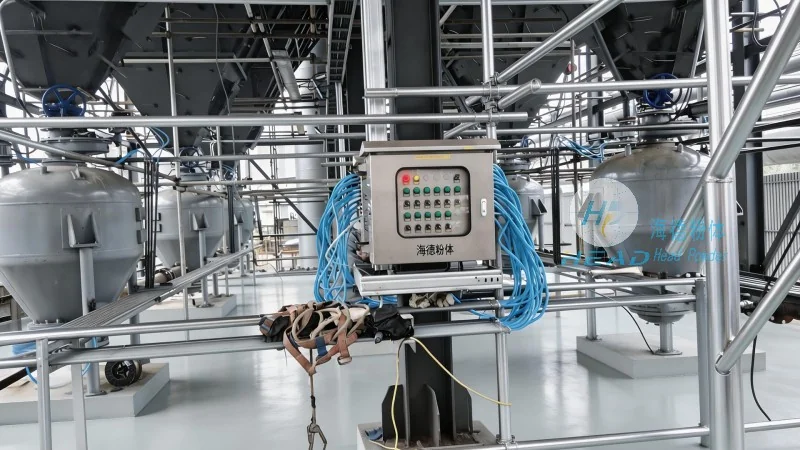
Conclusion: The Importance of Pneumatic Conveying in Battery Manufacturing
Pneumatic conveying is a critical technology in the battery manufacturing industry, enabling the efficient and safe transport of battery cathode materials. The design principles behind these systems, including careful consideration of material properties, system components, and operational parameters, are essential for achieving optimal performance. Companies like Shandong HeadPowder Engineering Co., Ltd. play a vital role in providing tailored solutions that meet the specific needs of battery manufacturers, ensuring that the production process is efficient, reliable, and compliant with industry standards. As the demand for battery-powered devices continues to grow, the importance of advanced material handling technologies like pneumatic conveying will only increase, making it a key component in the future of energy storage.