

What is Grain Silo Powder Pneumatic Conveying? And What Are Its Design Principles?
Grain silo powder pneumatic conveying is a technology used to transport bulk materials, such as grains, powders, and other particulate substances, within grain storage facilities. This method leverages the principles of fluidization and air movement to move materials from one location to another without the need for mechanical components like belts or buckets. The system is widely adopted in the agricultural and food processing industries due to its efficiency, flexibility, and ability to handle various material types.
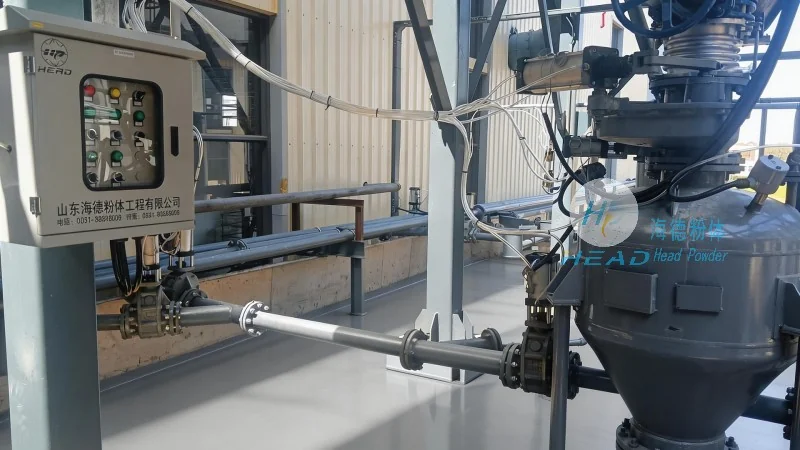
Understanding the Core Concept of Pneumatic Conveying in Grain Silos
Pneumatic conveying in grain silos operates by creating a pressure differential between the conveying line and the material source. A fan or blower generates airflow that draws or pushes the material through a pipeline network. The system typically consists of a hopper, a conveying line, a receiver, and a control system. The hopper holds the bulk material, and the fan creates the necessary air pressure to transport it. The material is then discharged into the receiver, which can be another silo or a processing unit. This process is often referred to as "air sliding" or "air transport," as the material moves along with the air stream.
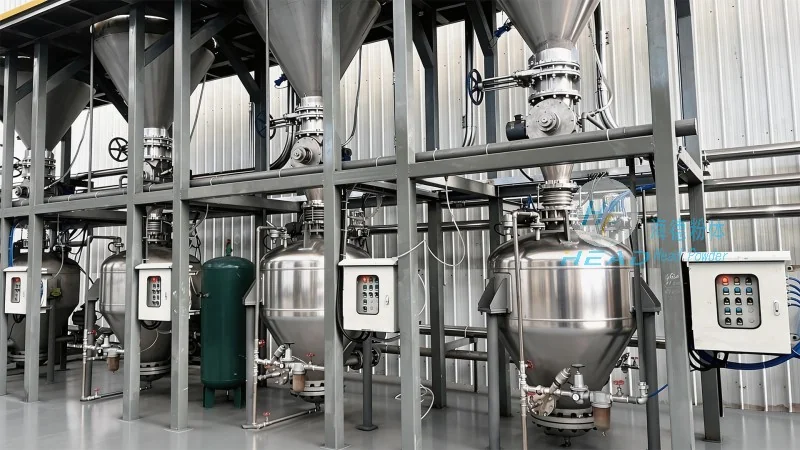
Key Design Principles for Efficient Pneumatic Conveying Systems
The design of a pneumatic conveying system for grain silos involves several critical principles to ensure optimal performance and material handling. First, the system must be tailored to the specific characteristics of the material being conveyed, including particle size, density, and moisture content. For example, fine powders may require higher air velocities to prevent clogging, while larger particles might need a different hopper design to ensure proper flow. Second, the system must maintain a consistent air pressure and flow rate to avoid material buildup or air leakage. This is achieved through the use of high-quality fans, proper pipeline sizing, and effective control mechanisms. Third, the system should incorporate safety features to prevent dust explosions, such as explosion-proof fans and proper ventilation. Additionally, the design should consider the overall layout of the grain silo facility, ensuring that the conveying lines are routed efficiently to minimize energy consumption and operational costs.
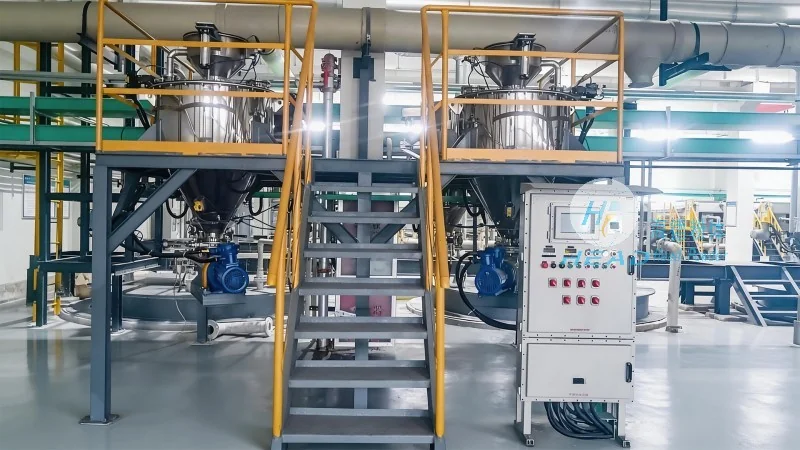
Components and Working Mechanism of Pneumatic Conveying Systems
A typical pneumatic conveying system for grain silos includes several key components that work in tandem to achieve effective material transport. The primary components are the material hopper, the air supply unit (fan or blower), the conveying pipeline, the receiver, and the control system. The material hopper is designed to hold the bulk material and provide a smooth, unobstructed flow into the pipeline. The fan or blower generates the necessary airflow, creating a pressure difference that moves the material. The conveying pipeline is usually made of metal or plastic, with smooth interior surfaces to minimize friction and prevent material buildup. The receiver is where the material is discharged, and it may be equipped with a discharge valve or other equipment to direct the material to its final destination. The control system monitors the system's performance, adjusts the air pressure and flow rate as needed, and provides alerts for any issues such as clogs or low material levels.
Applications and Benefits of Pneumatic Conveying in Grain Silos
Pneumatic conveying systems are widely used in various applications within grain silo operations. These include transferring grain from the storage silo to processing units, moving material between different storage locations, and feeding material into milling or packaging equipment. The benefits of using pneumatic conveying include increased efficiency in material handling, reduced labor costs, and improved safety compared to traditional mechanical systems. Additionally, the system can handle a wide range of materials, from fine powders to larger granules, making it versatile for different agricultural products. The flexibility of the system allows for easy integration into existing grain silo facilities, and the ability to adjust the conveying rate makes it suitable for varying production demands. Overall, pneumatic conveying provides a reliable and efficient solution for managing bulk materials in grain storage and processing operations.
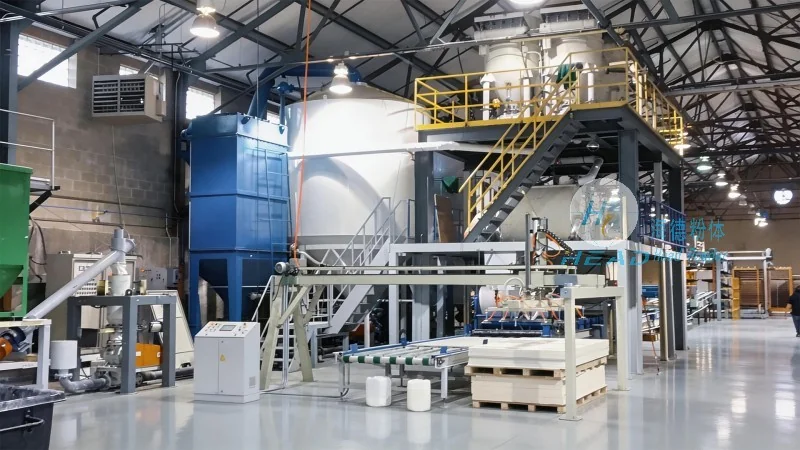
About Shandong HeadPowder Engineering Co., Ltd.
Shandong HeadPowder Engineering Co., Ltd., commonly known as HeadPowder, is a leading manufacturer and supplier of pneumatic conveying systems and related equipment for the agricultural and food processing industries. With a strong focus on innovation and quality, HeadPowder has established itself as a trusted partner for businesses seeking efficient and reliable material handling solutions. The company's products are designed to meet the specific needs of grain silo operations, ensuring optimal performance and durability. HeadPowder's team of experts provides comprehensive support, from system design and installation to maintenance and troubleshooting. By leveraging advanced technology and industry expertise, HeadPowder helps clients improve their operational efficiency, reduce costs, and enhance safety in their material handling processes. The company's commitment to customer satisfaction and product excellence has made it a preferred choice for businesses worldwide.