

What is Bag-Opening Powder Pneumatic Conveying? And What Are Its Design Principles?
Bag-opening powder pneumatic conveying is a specialized method used in industrial settings to efficiently transfer bulk powders from sealed bags into processing equipment. This technology is particularly valuable for industries that handle fine or abrasive powders, as it offers a clean, dust-free, and automated solution for material handling. Understanding the fundamentals of this system, including its design principles, is crucial for optimizing operational efficiency and ensuring product integrity.
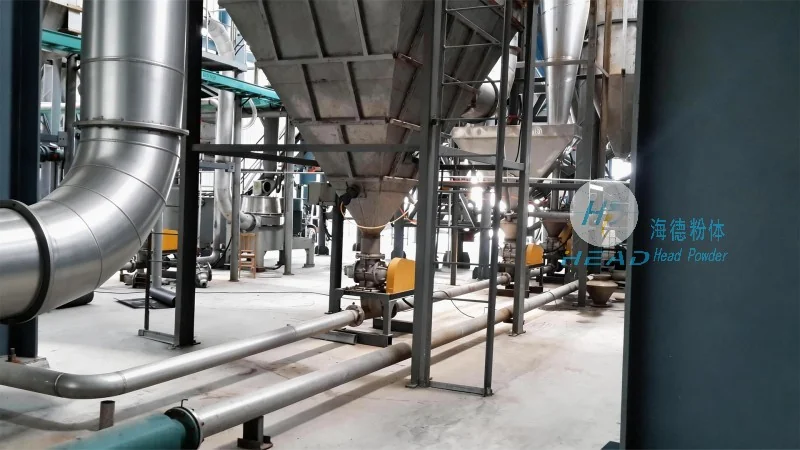
Introduction to Bag-Opening Powder Pneumatic Conveying
At its core, bag-opening powder pneumatic conveying involves the use of air pressure to draw or push powders from a sealed bag into a conveying system. This process eliminates the need for manual handling, which can be hazardous and inefficient, especially when dealing with large quantities of powders. The system typically includes components such as a bag opener, a hopper, a conveyor line, and a receiver, all working in tandem to ensure seamless material transfer. By automating the bag-opening and conveying steps, this technology enhances safety, reduces labor costs, and minimizes product contamination.
Key Components of the Bag-Opening Powder Pneumatic Conveying System
The effectiveness of a bag-opening powder pneumatic conveying system relies on several critical components. The bag opener is the first step, designed to safely and efficiently open sealed bags without damaging the powder inside. This component may use mechanical or pneumatic mechanisms to cut or tear the bag's seal. The hopper, or receiving vessel, collects the powder as it is discharged from the bag and serves as the initial storage point before it is conveyed to the processing unit. The conveyor line, which can be either positive or negative pressure, transports the powder through a pipeline to the final destination. The receiver, often a storage silo or processing equipment, holds the material until it is used. Each component must be carefully selected and integrated to ensure optimal performance and minimal downtime.
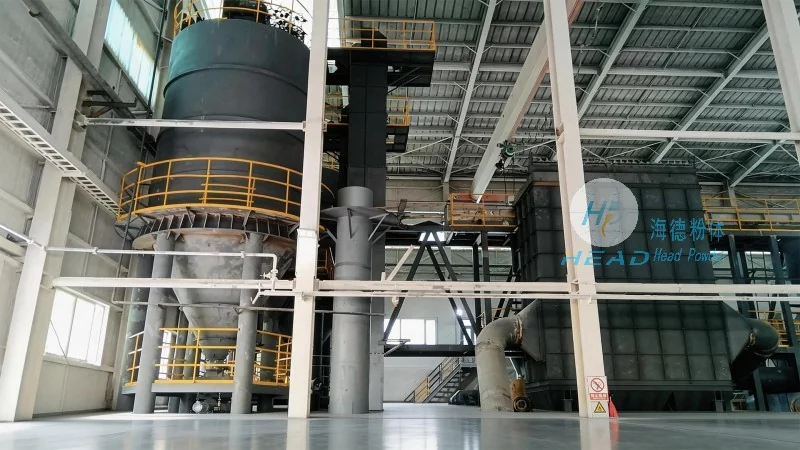
Design Principles for Efficient Operation
Designing an effective bag-opening powder pneumatic conveying system requires adherence to several key principles. First, the system must be tailored to the specific characteristics of the powder being handled. Factors such as particle size, density, moisture content, and flowability all influence the choice of conveying method and equipment. For example, fine powders may require a higher air velocity to prevent clogging, while cohesive powders may need additional air agitation to maintain flow. Second, the system must be designed for minimal pressure drop and energy consumption. This involves selecting appropriate pipe diameters, using smooth surfaces to reduce friction, and optimizing the air-to-powder ratio to achieve efficient transport. Third, safety and maintenance considerations are paramount. The system should include features such as pressure relief valves, dust collection systems, and easy access for maintenance to ensure safe and reliable operation. Finally, the design must account for the overall workflow, integrating seamlessly with existing processing equipment to avoid bottlenecks and maximize throughput.
Applications and Benefits in Industrial Settings
Bag-opening powder pneumatic conveying is widely used across various industries, including pharmaceuticals, food processing, chemicals, and minerals. In the pharmaceutical industry, for instance, this technology ensures that powders are handled in a sterile and contamination-free environment, which is critical for maintaining product quality and regulatory compliance. In the food industry, it helps prevent cross-contamination and preserves the freshness of ingredients. The benefits of this system extend beyond efficiency and safety; it also reduces material waste by minimizing spillage and loss during handling. Additionally, the automated nature of the process allows for consistent and repeatable performance, which is essential for meeting production targets and quality standards.
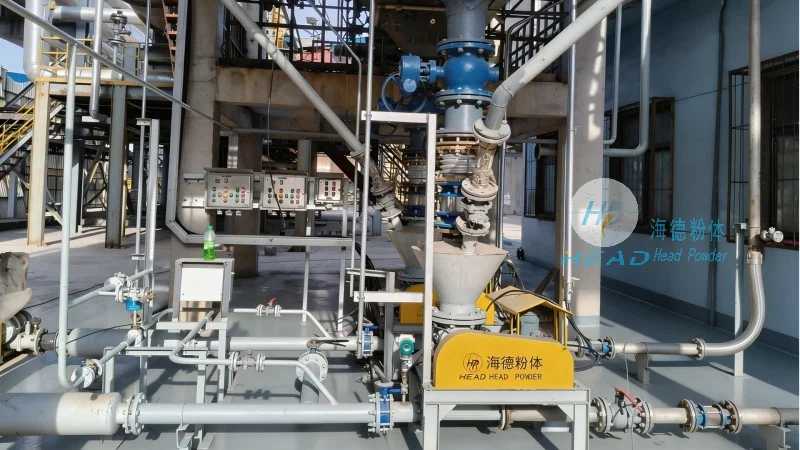
Case Study: Implementation by Shandong HeadPowder Engineering Co., Ltd.
Shandong HeadPowder Engineering Co., Ltd., a leading provider of powder handling solutions, has successfully implemented bag-opening powder pneumatic conveying systems for numerous clients. One notable project involved a pharmaceutical manufacturer that needed to transfer fine active ingredients from sealed bags into a high-speed blending line. The system designed by HeadPowder included a pneumatic bag opener, a stainless steel hopper, and a low-pressure conveying line. The result was a significant reduction in handling time, from several hours to just minutes, and a decrease in product contamination rates. The client reported improved production throughput and enhanced compliance with Good Manufacturing Practices (GMP). This case study highlights the practical advantages of well-designed bag-opening powder pneumatic conveying systems and the expertise of companies like HeadPowder in delivering tailored solutions.
Conclusion and Future Considerations
Bag-opening powder pneumatic conveying is a sophisticated and efficient technology that addresses the challenges of handling bulk powders in industrial applications. By understanding its design principles and components, industries can optimize their material handling processes, enhance safety, and improve overall operational performance. As technology advances, there is potential for further innovation in this field, such as the integration of smart sensors for real-time monitoring and predictive maintenance. However, the core principles of efficient powder transfer remain constant, and the continued development of reliable bag-opening systems will play a vital role in supporting the growth of industries that rely on bulk powder processing. For companies seeking to enhance their material handling capabilities, investing in a well-designed bag-opening powder pneumatic conveying system is a strategic decision that can yield long-term benefits.