

What is a Floor Hopper Material Handling System? What is its Design Principle?
For businesses dealing with bulk materials, efficient and reliable material handling is crucial. A floor hopper material handling system is a specialized equipment designed to manage the movement of materials from storage to processing or packaging areas. This system is particularly valuable in industries such as food processing, pharmaceuticals, and chemical manufacturing, where precision and safety are paramount. The design of these systems is tailored to meet the specific needs of each application, ensuring optimal performance and minimal downtime. As a leading manufacturer in the industry, Shandong HeadPowder Engineering Co., Ltd. specializes in providing high-quality floor hopper material handling systems that are engineered to deliver superior performance and reliability.
Understanding the Core Components of a Floor Hopper System
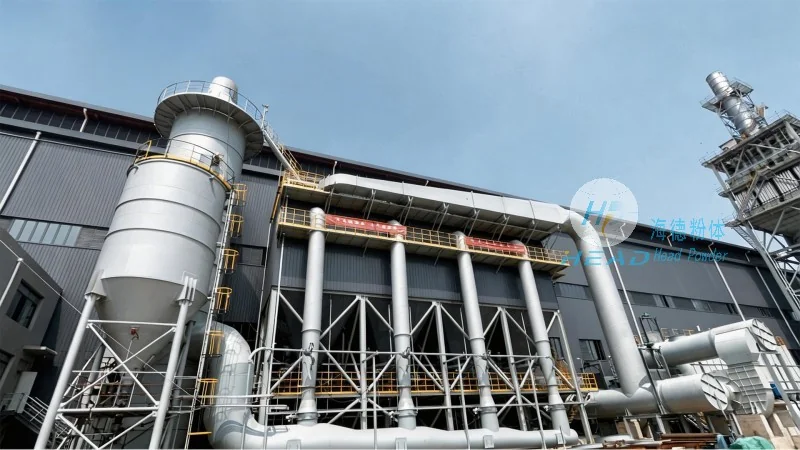
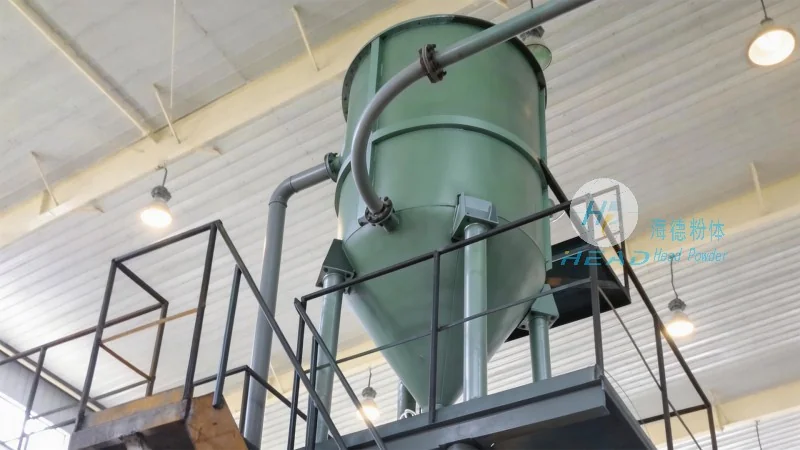
The floor hopper material handling system typically consists of several key components that work in tandem to facilitate material flow. The primary component is the floor hopper itself, which is a large, low-profile container integrated into the floor or a raised platform. This hopper is designed to collect materials from a storage area and transfer them to a conveyor or other processing equipment. The hopper is often equipped with a gate or valve mechanism that controls the release of materials, allowing for precise dosing and preventing overloading of downstream equipment. Additionally, the system may include a level sensor or weight indicator to monitor the material level and trigger the release mechanism when the hopper is full. The conveyor system, which can be a belt conveyor, screw conveyor, or other type, is connected to the hopper and transports the materials to the next stage of the production process. The control system, which may include a PLC (Programmable Logic Controller), manages the operation of the gate, conveyor, and other components, ensuring smooth and automated operation.
The Design Principles Behind Floor Hopper Systems
The design of a floor hopper material handling system is guided by several fundamental principles aimed at maximizing efficiency, safety, and reliability. One of the key principles is the principle of gravity flow, which minimizes the need for external power sources and reduces energy consumption. The hopper is typically positioned at a slightly elevated level compared to the storage area, allowing materials to flow into the hopper by gravity. This design reduces the risk of material spillage and ensures a consistent flow rate. Another important principle is the principle of containment, which is critical in industries dealing with hazardous or sensitive materials. The hopper is designed to be fully enclosed, preventing dust, debris, or other contaminants from entering the environment and protecting the materials from external factors. The system also incorporates safety features such as emergency stop buttons, interlocks, and protective guards to prevent accidents and ensure operator safety. The design also considers the material characteristics, such as bulk density, flowability, and abrasiveness, to ensure that the hopper and conveyor components are appropriately sized and constructed to handle the specific material without degradation or damage.
Applications and Benefits of Floor Hopper Material Handling Systems
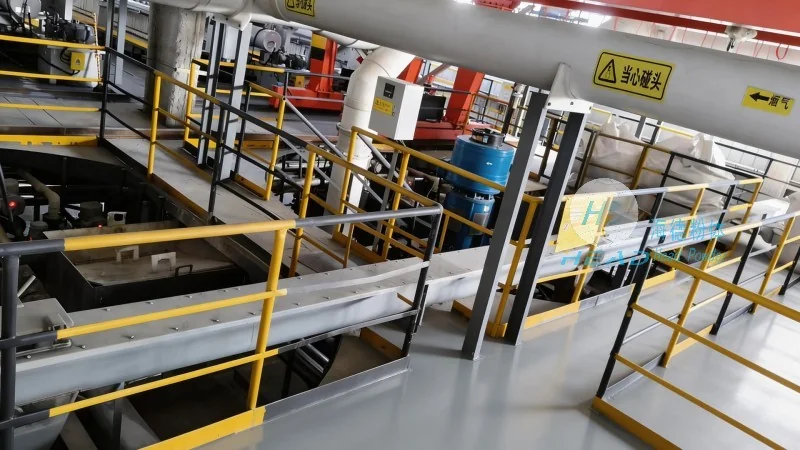
Floor hopper material handling systems are widely used in various industrial applications due to their versatility and efficiency. In the food industry, these systems are used to handle raw materials such as grains, powders, and spices, ensuring that they are transferred to processing equipment without contamination. In the pharmaceutical industry, the systems are used to handle active pharmaceutical ingredients (APIs) and other sensitive materials, maintaining the purity and integrity of the products. In the chemical industry, the systems are used to handle various chemicals, including powders and granules, ensuring safe and controlled transfer. The benefits of using a floor hopper material handling system include improved productivity, reduced labor costs, minimized material waste, and enhanced safety. The automated operation reduces the need for manual handling, which can be hazardous and inefficient. The precise control of material flow prevents overloading of downstream equipment, reducing the risk of equipment damage and downtime. Additionally, the enclosed design of the hopper helps maintain a clean and hygienic environment, which is essential in industries such as food and pharmaceuticals.